Authors say exposure control and regular respiratory health surveillance needed for workers
TUESDAY, Nov. 1, 2022 (HealthDay News) — Workplace exposure to gases, dusts, fumes, and solvents is linked to declines in lung capacity, according to a systematic review and meta-analysis published online Oct. 24 in Occupational & Environmental Medicine.
Golam Rabbani, M.P.H., from Bangladesh Betar in Dhaka, and colleagues conducted a systematic literature review to identify studies evaluating adverse occupational exposures and age-related lung function decline.
Based on 12 longitudinal studies, researchers found that ever exposures to gases/fumes; vapors, gases, dusts, and fumes; and aromatic solvents were significantly associated with forced expiratory volume in one second (FEV1) decline. A similar decline in FEV1 was seen for cumulative exposures for these three occupational agents. In fixed-effect models, ever exposures to fungicides and cumulative exposures to biological dust, fungicides, and insecticides were associated with FEV1 decline. There were no statistically significant associations of mineral dust, herbicides, and metals with FEV1 decline.
“Pooled estimates from the longitudinal population-based studies have provided evidence that occupational exposures are associated with FEV1 decline,” the authors write. “Specific exposure control and respiratory health surveillance are required to protect the lung health of the workers.”
One author disclosed financial ties to the pharmaceutical industry.
 Adenotonsillectomy Tied to Increase in Respiratory Tract Infections in Children
 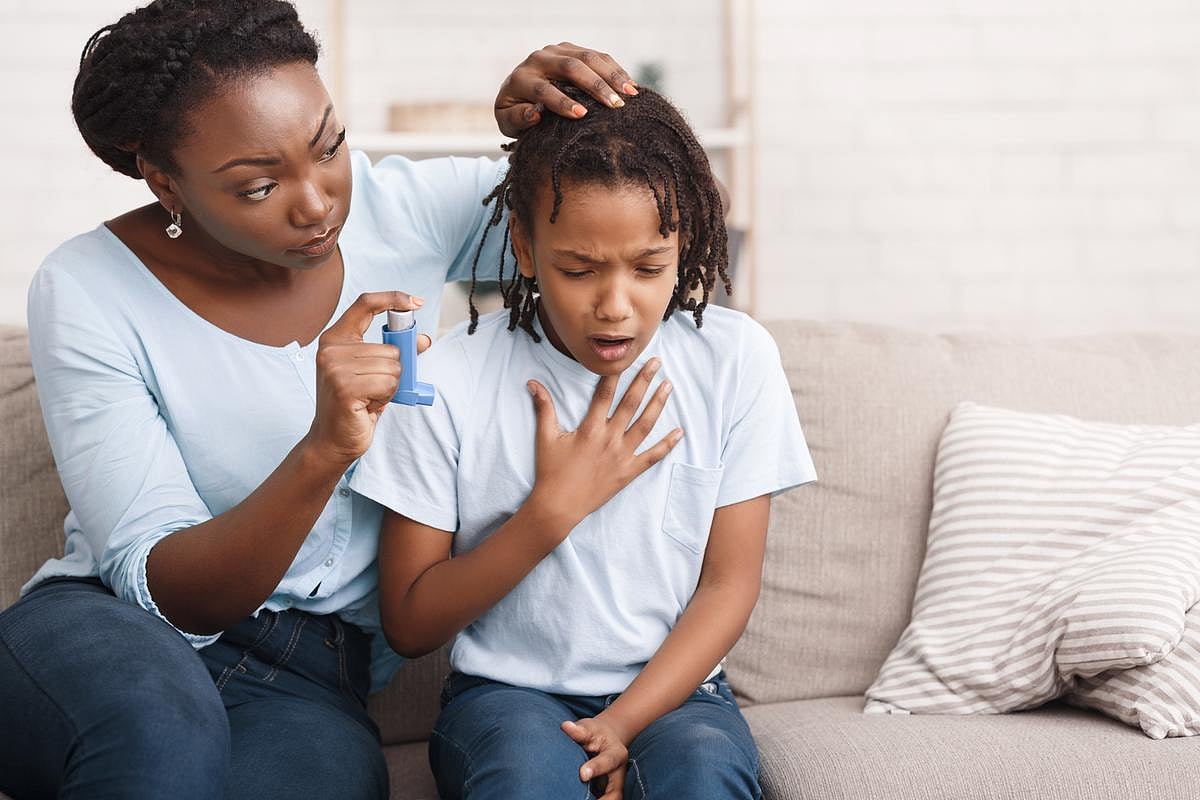 Fractional Exhaled Nitric Oxide Elevated in Pediatric Chest Tightness Variant Asthma
  Small Change in Hours Benefits Emergency Physicians Working Night Shifts
  Aircrew Face Higher Odds of Radiation-Related Cancer Deaths
 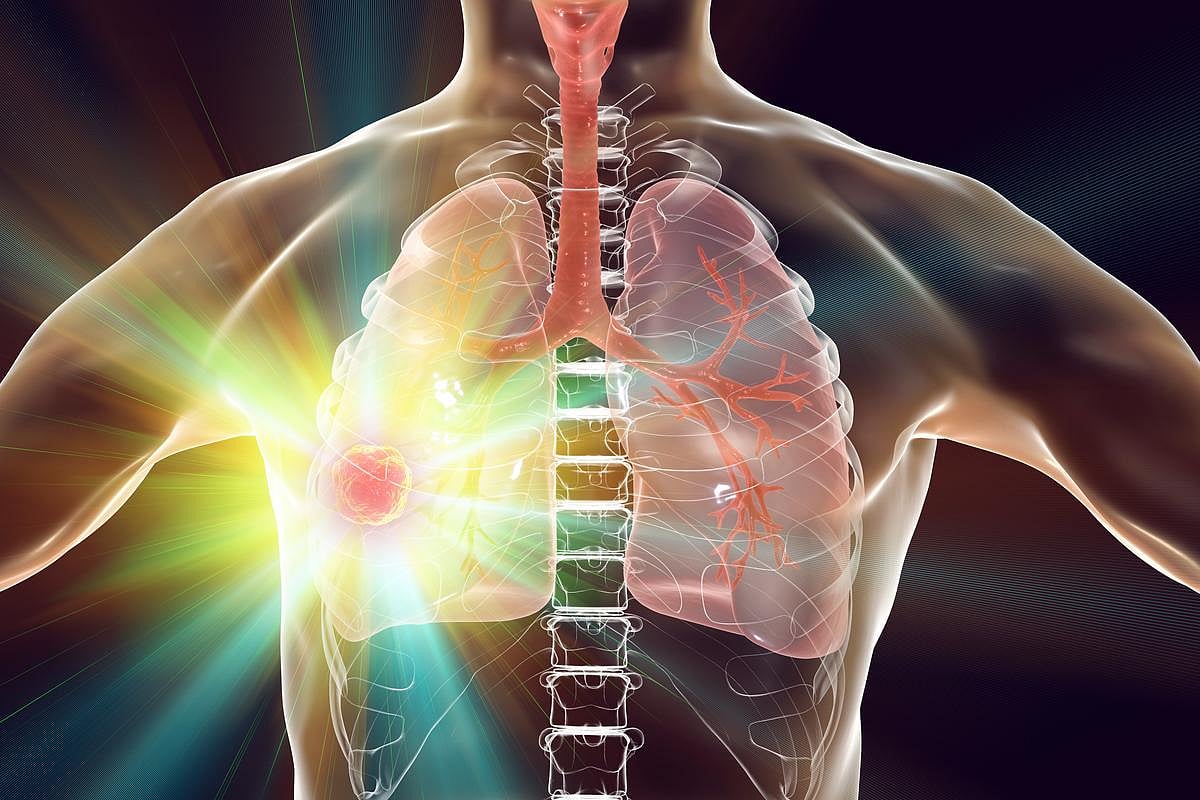 Thymic Radiation Linked to Worse Outcomes in Patients With NSCLC
  Preoperative Chemo + Immunotherapy Combo Shrinks Head, Neck Cancer Tumors
  Sleep Disturbances, Duration Linked to Working Life Expectancy
  Couples" Coping Skills Help Reduce Depression in GI Cancer Survivors