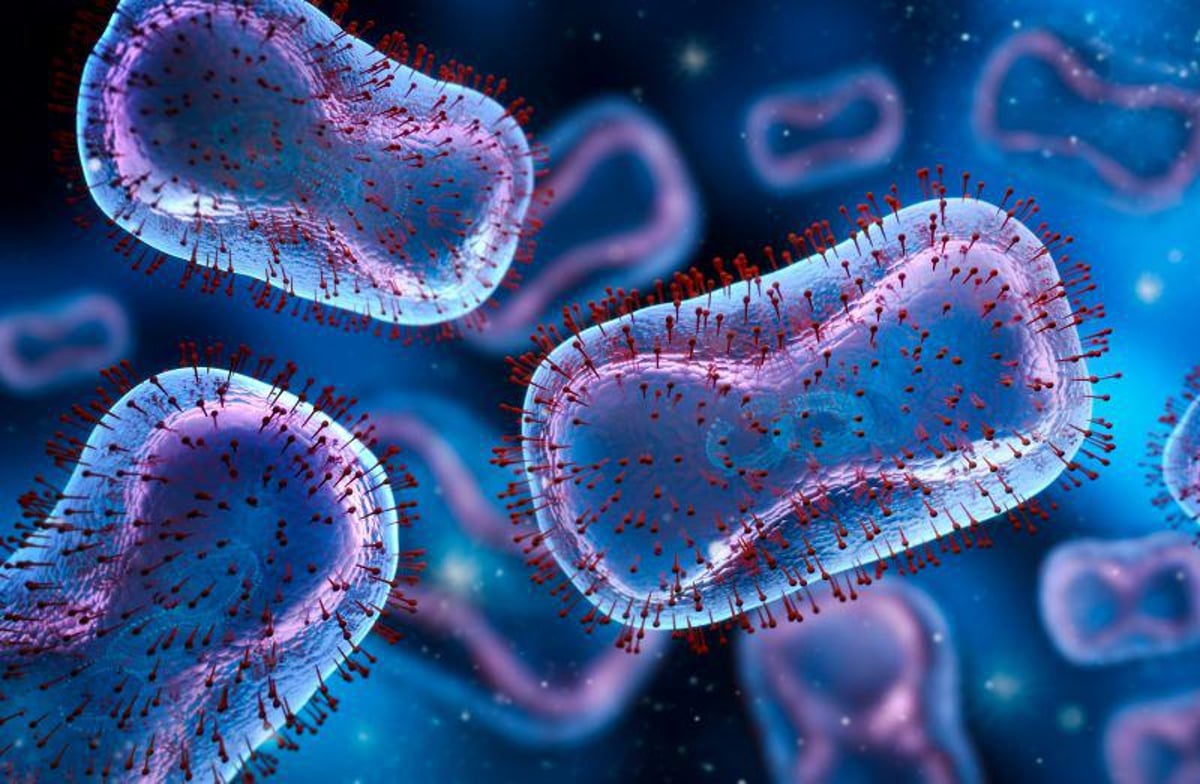
Two of 10 health care personnel with intermediate-risk exposures elected to receive postexposure prophylaxis
TUESDAY, Nov. 8, 2022 (HealthDay News) — No secondary cases were observed in a large contact investigation in response to the first case of monkeypox virus (MPXV) infection in the United States. Results of the investigation were published online Nov. 8 in the Annals of Internal Medicine.
Erica S. Shenoy, M.D., Ph.D., from Massachusetts General Hospital in Boston, and colleagues describe contact tracing and exposure investigation for the index patient with MPXV infection, identified in May 2022 in the United States.
The researchers identified 37 community and 129 health care contacts, of whom four, 49, and 113 were at high, intermediate, and low or uncertain risk, respectively. During the monitoring period, 15 health care contacts developed symptoms; three met the criteria for MPXV testing and all had negative results. Two of the community contacts developed symptoms, but neither met criteria for MPXV testing nor showed disease progression consistent with monkeypox. Three of the four individuals with high-risk exposures who were offered postexposure prophylaxis (PEP) elected to receive PEP. Two of 10 health care personnel with intermediate-risk exposures for which PEP was offered as part of informed clinical decision-making elected to receive PEP. At the end of the 21-day monitoring period, no transmissions were identified, despite the delay in recognition of monkeypox in the index patient.
“Public health authorities and health care facilities should consider how these findings may inform revised estimates of exposure risk, requirements for monitoring, and recommendations for PEP,” the authors write.
 Significant Association ID"d Between Hepatitis C, Overactive Bladder
 .jpg) Study Looks at Barriers to Initiation of Rotavirus Vaccine
Study Looks at Barriers to Initiation of Rotavirus Vaccine  Obstructive Sleep Apnea Tied to Nearly Doubled Risk for Flu, COVID-19 in Childhood
  Noninvasive Prenatal Screening Can Identify Cytomegalovirus Risk
  2005 to 2023 Saw More U.S. Women Never Screened for Cervical Cancer
  Higher Parental Vitamin B12 Tied to Lower Prevalence of Birth Defects
  Machine Learning Model IDs Heart Failure With Reduced Ejection Fraction Using Routine Lab Indicators
  Addition of CAC to PREVENT-ASCVD Equations May Improve Predictive Utility in Certain Patients