


Incidence rates of atopic dermatitis and bacterial skin infections higher among urban-living Indigenous children and young people in high-income countries
THURSDAY, Nov. 10, 2022 (HealthDay News) — A significant burden of atopic dermatitis and bacterial skin infections exists in urban-living Indigenous children and young people in high-income countries, according to a review published online Nov. 9 in Pediatric Dermatology.
Bernadette M. Ricciardo, M.B.B.S., from the University of Western Australia in Crawley, and colleagues conducted a systematic literature review to assess the burden of atopic dermatitis and bacterial skin infections in urban-living Indigenous children and young people in high-income countries.
The researchers included 16 studies, including seven papers documenting eight studies on atopic dermatitis and nine papers on bacterial skin infections. Compared with non-Indigenous peers, current and severe symptoms of atopic dermatitis were more common in urban-living Indigenous children and young people in high-income countries, with children having a higher prevalence than adolescents. There was a higher incidence of all measures of bacterial skin infection among urban-living Indigenous children and young people in high-income countries versus non-Indigenous peers. For all measures, Indigenous populations were over-represented compared with their proportion of the background population.
“We echo the call to action for more studies to better understand the impact of atopic dermatitis and bacterial skin infection in urban-living Indigenous children and young people noting specifically the poor representation of North American Indigenous children and young people in the published literature,” the authors write.
 Pre-Prostate Biopsy MRI Use Increased From 2017 to 2026
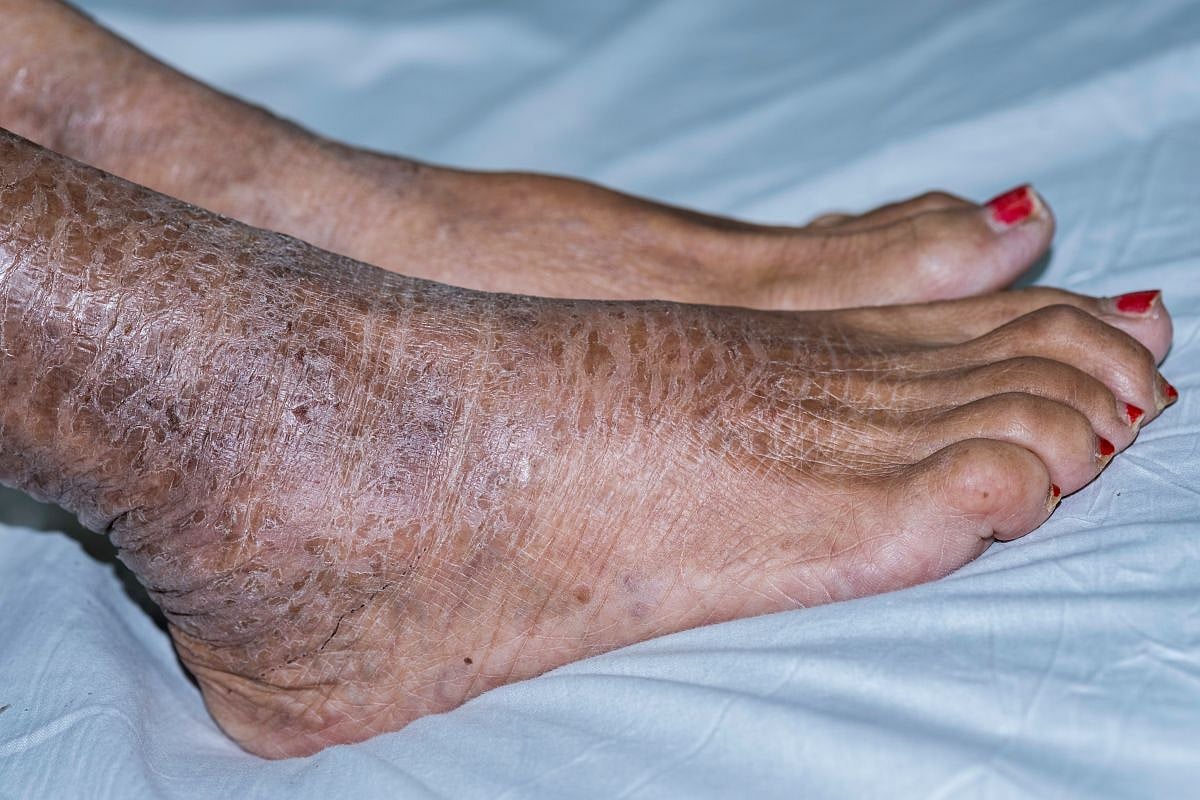 Congenital Ichthyosis Linked to Allergic Disorders
 MHT Initiation May Reduce Cardiovascular Risk in Women With Vasomotor Symptoms
 Distinct Skin Microbiome Features Emerge Before Atopic Disease Onset in Infants
 Lower Dietary Diversity in First Year Linked to Atopic Dermatitis
 Gene Mutation Identified That Increases Lung Cancer Risk
 H. Pylori Exposure May Contribute to Global Burden of Colorectal Cancer
 Freshwater Swimming Tied to Stomach Bugs, Skin Conditions





.jpg)