


Beneficial associations seen for dietary intakes of total flavonols and several flavonol constituents
TUESDAY, Nov. 22, 2022 (HealthDay News) — Dietary intake of total flavonols and flavonol constituents seems to be associated with slower cognitive decline, according to a study published online Nov. 22 in Neurology.
Thomas Monroe Holland, M.D., from the Rush University Medical Center in Chicago, and colleagues examined the associations of dietary intakes of total flavonols and constituents on the change in cognitive performance in global cognition, episodic memory, semantic memory, visuospatial ability, perceptual speed, and working memory in a cohort of 961 participants of the Rush Memory and Aging Project who were followed for 6.9 years. A battery of 19 cognitive tests was used to examine cognitive performance annually.
The researchers found that the rate of decline in global cognition and multiple cognitive domains was slower in association with higher dietary intake of total flavonols and flavonol constituents. Total flavonol intake was associated with slower decline in global cognition, episodic memory, semantic memory, perceptual speed, and working memory and was marginally associated with visuospatial ability in continuous models adjusted for age, sex, education, APOE-ɛ4, late-life cognitive activity, physical activity, and smoking. In analyses of individual flavonol constituents, intakes of kaempferol and quercetin were associated with slower global cognitive decline. No association was seen for myricetin and isorhamnetin with global cognition.
“Something as simple as eating more fruits and vegetables and drinking more tea is an easy way for people to take an active role in maintaining their brain health,” Holland said in a statement.
Abstract/Full Text (subscription or payment may be required)
 Recommendations Issued for Use of Incretin-Based Meds in Pregnancy
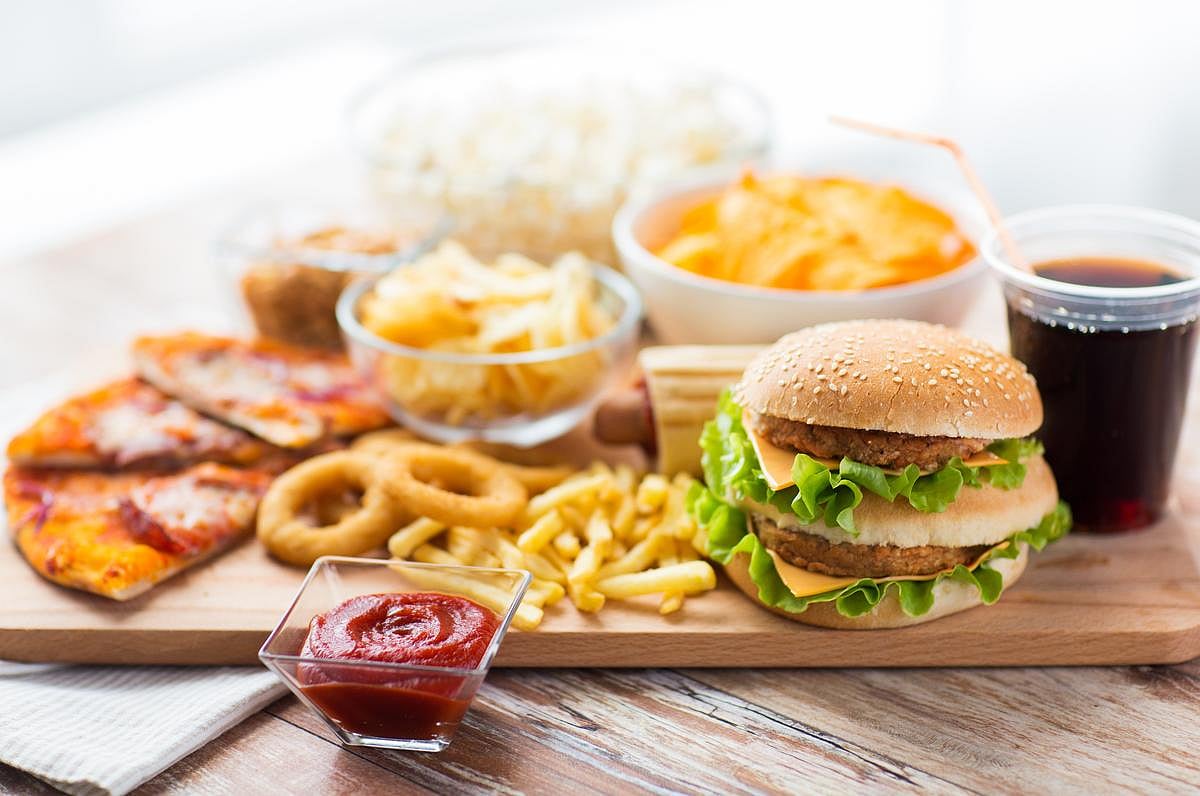 Eating More Ultraprocessed Foods Heightens Risk for Chronic Diseases
 Nutritional Deficiencies Seen in Youth Taking GLP-1 Receptor Agonists
 2009 to 2023 Saw Surge in Probiotic Supplement Use
 1 in 3 With Lupus Take Supplements, Medications With Potential for Interactions
 High-Dose Omega-3 Linked to A-Fib Risk in Patients With High CVD Risk
 Docosahexaenoic Acid Supplement Does Not Improve Cognitive Performance
 Sugar-Sweetened Beverage, Fruit Juice Intake Linked to Hypertension Risk




.jpg)
