



No influence seen on height for age, BMI for age, waist-to-height ratio, percentage body fat, fat mass, fat-free mass, or Tanner scores
MONDAY, Nov. 28, 2022 (HealthDay News) — For children with a high prevalence of vitamin D deficiency (25-hydroxyvitamin D [25(OH)D] <20 ng/mL), vitamin D3 supplementation increases 25(OH)D concentrations but does not influence growth, body composition, or pubertal development, according to a study published online Nov. 28 in JAMA Pediatrics.
Davaasambuu Ganmaa, Ph.D., from the Harvard T. H. Chan School of Public Health in Boston, and colleagues conducted a secondary analysis of a double-blind, placebo-controlled randomized clinical trial, conducted among school-aged children in Mongolia from June 2016 to June 2019. A total of 8,851 children were included in the study and were randomly assigned to receive weekly oral doses of vitamin D3 at 14,000 IU or placebo for three years (4,418 and 4,433 children, respectively).
Of the participants, 95.5 percent were vitamin D-deficient at baseline; the mean end-of-study 25(OH)D concentrations were 31.0 and 10.7 ng/mL for those randomly assigned to vitamin D and placebo, respectively. The researchers found that vitamin D supplementation had no influence on mean height for age, body mass index for age, waist-to-height ratio, percentage body fat, fat mass, fat-free mass, or Tanner scores overall or within subgroups defined according to baseline 25(OH)D concentrations, estimated calcium intake, or sex.
“This intervention did not influence growth, body composition, or pubertal development, either in the study population as a whole or within subgroups having the lowest baseline 25(OH)D concentrations or calcium intake values,” the authors write.
Several authors disclosed financial ties to the pharmaceutical industry.
Abstract/Full Text (subscription or payment may be required)
 Low Levels of Placental Growth Factor in Pregnancy Linked to Subsequent ADHD in Offspring
  Better Youth Fitness May Lower Risk for Depression in Adulthood
  Serum 25(OH)D May Serve as Biomarker of Disease Activity in IBD
  Maternal Vitamin D Status Linked to Preterm Delivery
  Recommendations Issued for Use of Incretin-Based Meds in Pregnancy
 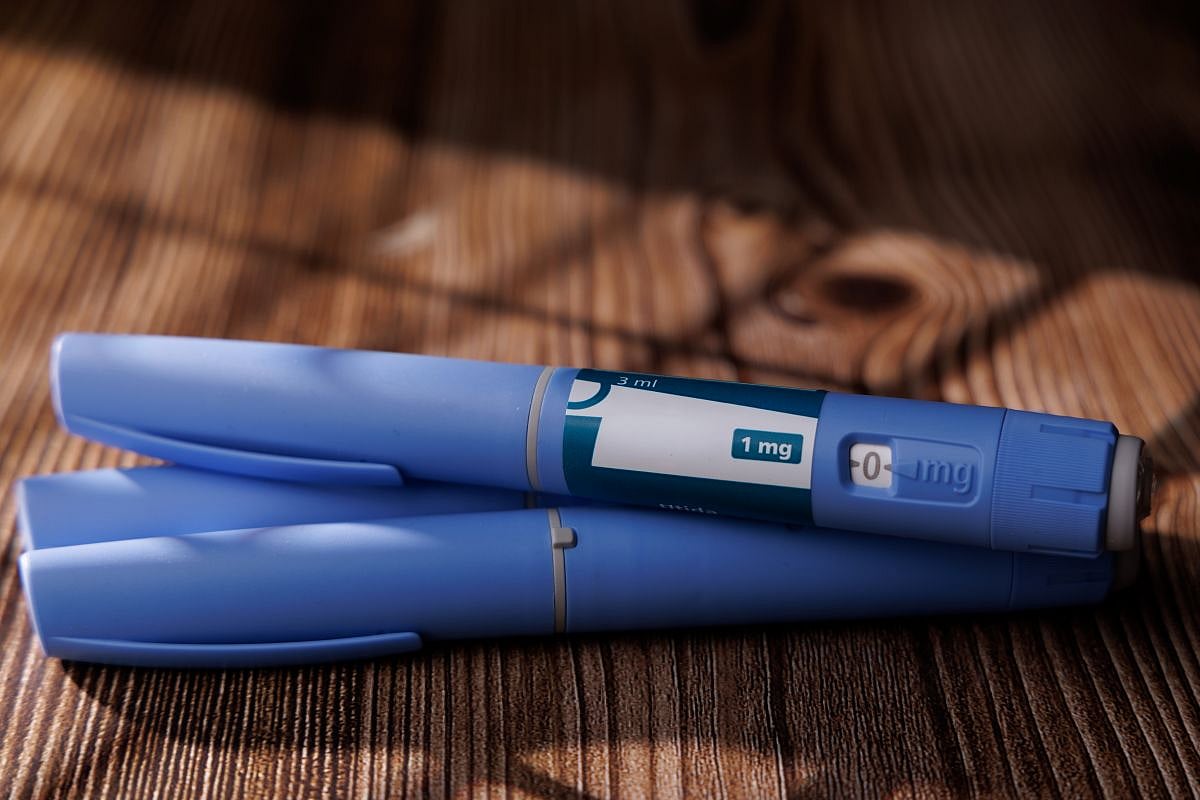 Nutritional Deficiencies Seen in Youth Taking GLP-1 Receptor Agonists
  IBD Not Linked to Risk for Hypertensive Disorders of Pregnancy Overall
  Mom"s Poor Sleep in Late Pregnancy Linked to Offspring"s Obesity Risk in Early Childhood



.jpg)
