


When clinical symptoms and signs of hypothyroidism are present, TSH, free thyroxine should be measured, regardless of screening results
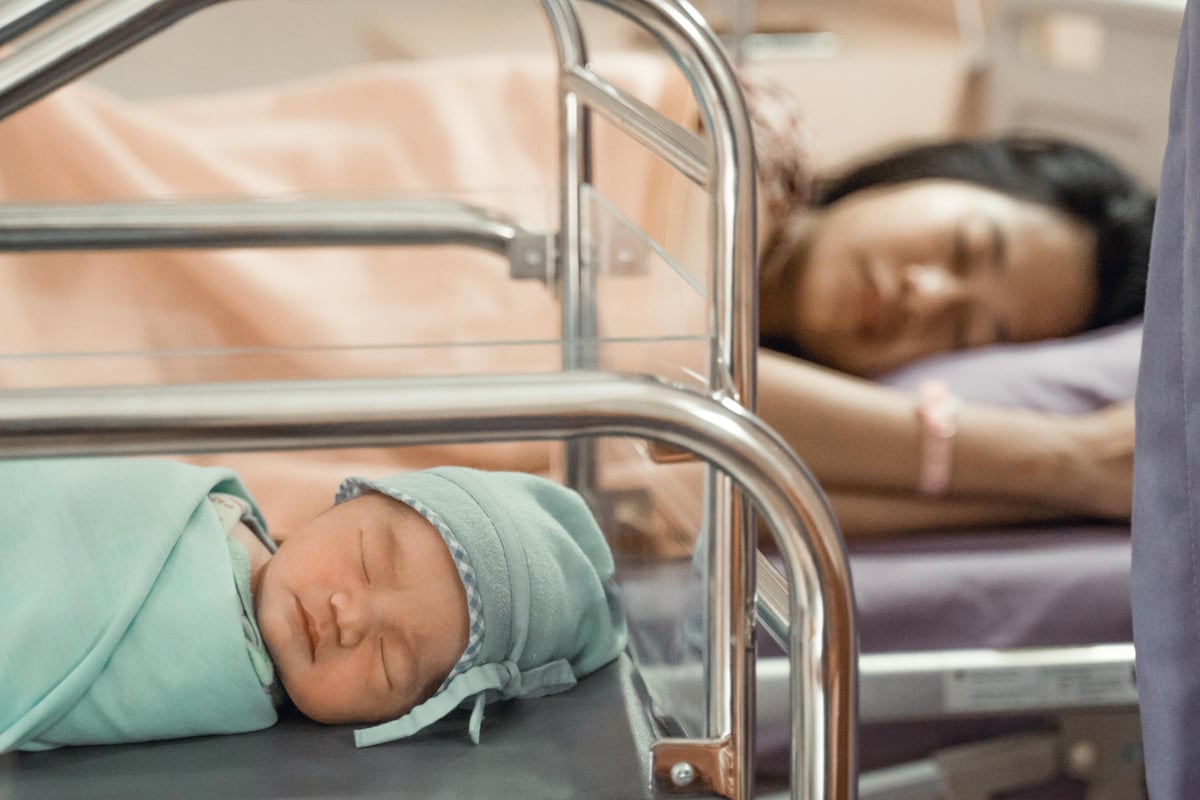
TUESDAY, Dec. 20, 2022 (HealthDay News) — Newborn screening (NBS) and management of congenital hypothyroidism is addressed in a clinical report published online Dec. 19 in Pediatrics.
Noting that prompt diagnosis of congenital hypothyroidism by NBS, leading to early and adequate treatment, results in normal neurocognitive outcomes in adulthood, Susan R. Rose, M.D., from the Cincinnati Children’s Hospital Medical Center, and colleagues offer updated recommendations for the screening and management of congenital hypothyroidism.
The authors note that in a pediatric population, NBS alone is not sufficient to prevent adverse outcomes from congenital hypothyroidism. In addition to NBS, the diagnosis needs to be confirmed in a timely manner, and management also requires accurate interpretation of thyroid function testing, effective treatment, and consistent follow-up. In the face of clinical symptoms, physicians need to consider hypothyroidism even if NBS thyroid test results are normal. Measurement of serum thyroid-stimulating hormone and free thyroxine is indicated, regardless of NBS results, when clinical symptoms and signs of hypothyroidism are present (large posterior fontanelle, large tongue, umbilical hernia, prolonged jaundice, constipation, lethargy, and/or hypothermia).
“Failure of normal neurodevelopment can result from hypothyroidism in infants who initially had normal NBS results but in whom hypothyroidism manifests or is acquired after NBS or with errors in NBS tests,” the authors write.
 Urine Cell-Free RNA Shows Promise as Biomarker for Bladder Cancer
 Age-, Joint-Specific Ultrasound Reference Values Set for Healthy Joints
 Retinal Imaging Can ID Atrial Fibrillation Years Before Diagnosis
 U.S. Adults May Not Understand Their Risk for Vascular Disease
 Lower Cognitive Functioning During 60s Linked to Subsequent Stroke Risk
 Polypharmacy of Prescription Medications Increased for U.S. Older Adults
 Nearly 1 in 10 Older Adults Used Cannabis in the Past Year
 Pharmacist-Led Med Review Improves Medication Quality in Older Patients With Cancer




.jpg)