


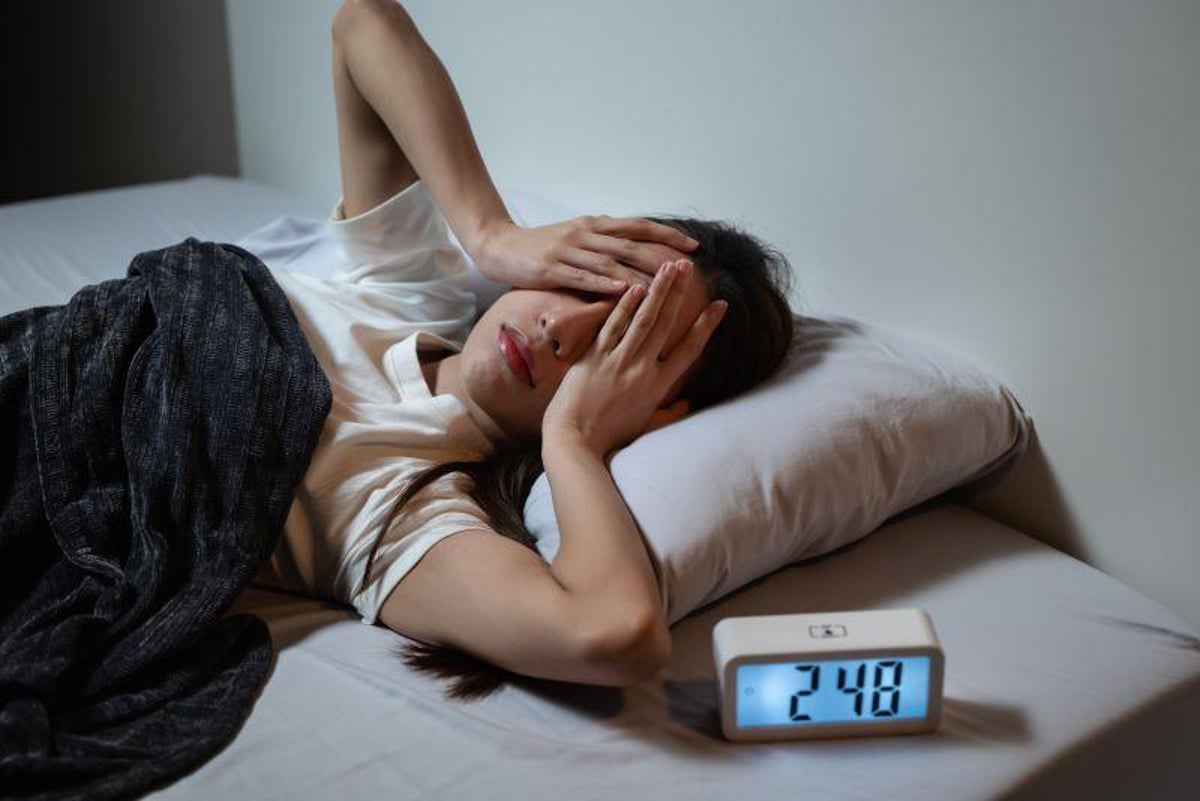
Sleeping less than seven hours per night and self-reported low sleep quality during adolescence associated with risk for developing MS
WEDNESDAY, Jan. 25, 2023 (HealthDay News) — Insufficient sleep and low sleep quality during adolescence may increase the risk for subsequently developing multiple sclerosis, according to a study published online Jan. 23 in the Journal of Neurology, Neurosurgery & Psychiatry.
Torbjörn Åkerstedt, Ph.D., from Stockholm University, and colleagues assessed the impact of sleep duration, circadian disruption, and sleep quality on multiple sclerosis risk. The analysis included 2,075 multiple sclerosis cases and 3,164 controls.
The researchers found that compared with sleeping seven to nine hours a night during adolescence, short sleep duration (less than seven hours a night) was associated with an increased risk for developing multiple sclerosis (odds ratio, 1.4). Self-reported low sleep quality during adolescence also increased the risk for subsequently developing multiple sclerosis (odds ratio, 1.5). However, phase shift did not significantly influence multiple sclerosis risk. Findings remained similar when the analysis excluded those who worked shifts.
“Insufficient sleep and low sleep quality during adolescence dose-dependently increased the risk of multiple sclerosis. A change in sleep timing between work/school days and weekends/free days did not influence the risk of the disease,” the authors write. “Educational interventions addressed to adolescents and their parents regarding the negative health consequences of insufficient sleep are of importance.”
.jpg) Considerable Gaps Reported in Care for Youth With Opioid Use Disorder
Considerable Gaps Reported in Care for Youth With Opioid Use Disorder  Nutritional Deficiencies Seen in Youth Taking GLP-1 Receptor Agonists
  Youth Suicide Risk Linked to Community Firearm Violence
  Trends Reported in Vaccination Coverage for Adolescents for 2025
  Nearly 3 in 4 Older Adults Express Interest in Vaccine to Prevent Dementia
  Updated COVID-19 Shot Beneficial for Those With Autoimmune Rheumatic Disease
  AAP Issues Recommendations for Pediatric RSV Vaccination in 2026-2027 Season
  Social Media Warnings Could Discourage Use Among Teens, Young Adults




.jpg)