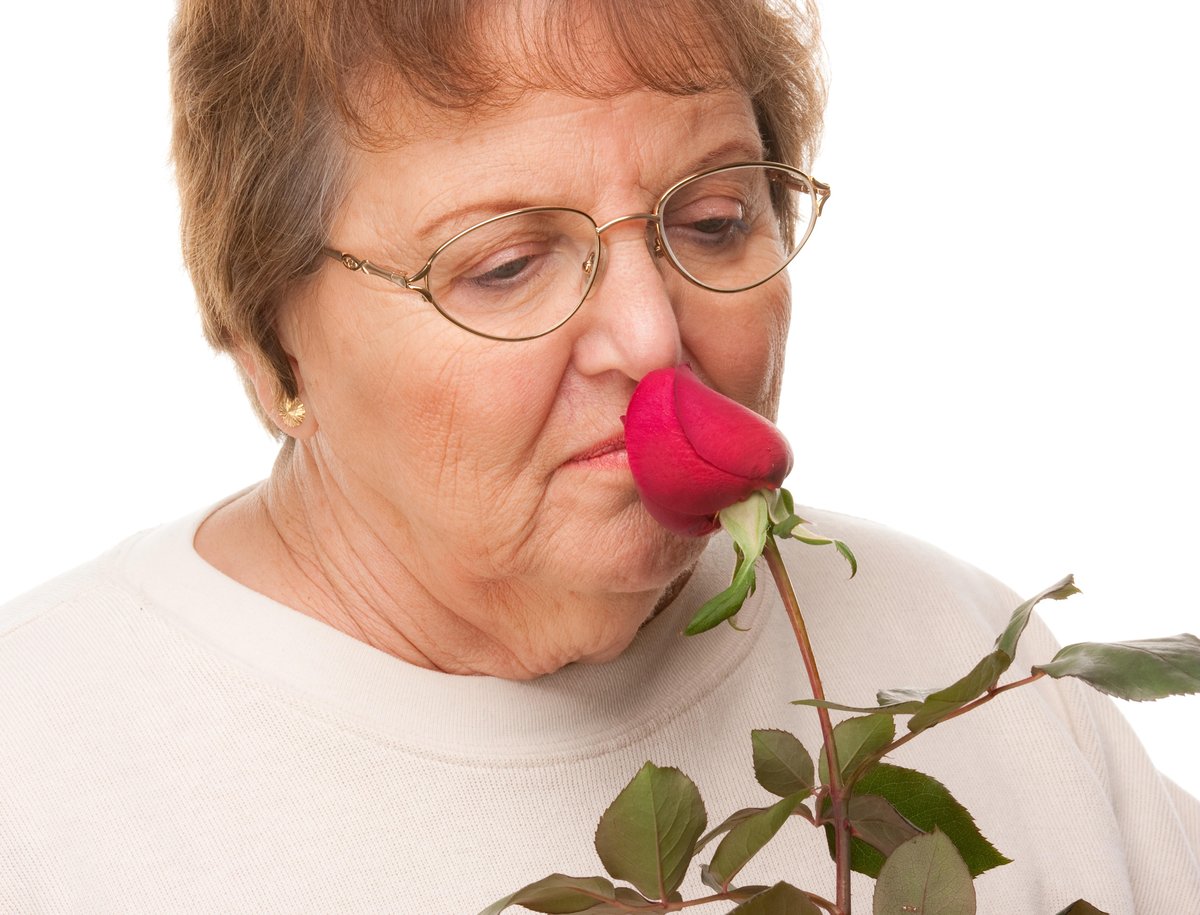
Both olfactory identification and sensitivity functions are associated with frailty
WEDNESDAY, Feb. 1, 2023 (HealthDay News) — Olfaction is a potential marker and risk factor for frailty, according to a study recently published in the Journal of Gerontology.
Nimesh V. Nagururu, from the Johns Hopkins University School of Medicine in Baltimore, and colleagues used data from 1,160 older adults to assess the relationship between olfactory subdomains (peripheral or central dysfunction) and frailty.
The researchers found that participants in the most-frail physical frailty phenotype (PFP) category had lower olfactory identification and olfactory sensitivity scores. However, participants in the most-frail frailty index category showed lower olfactory identification scores but not lower olfactory sensitivity scores versus nonfrail participants. Each point increase in olfactory identification was associated with a lower PFP score (β = −0.107) and frailty index score (β = −0.009), whereas a point increase in olfactory sensitivity was associated with a lower PFP score (β = −0.058) but not frailty index score (β = −0.004).
“Both olfactory sensitivity and olfactory identification, predominantly peripheral and central measures of olfaction, respectively, are associated with frailty implicating olfaction as a potential biomarker and risk factor for frailty,” the authors write.
Abstract/Full Text (subscription or payment may be required)
 Older Adults Limit Movements With Rising Temperatures
  Socioeconomic Inequalities Tied to Functional Aging
  Sense of Smell Linked to Mental Health
  Collagen Supplements Beneficial for Dermal, Bone, Musculoskeletal Health
  Hydrogel-Based Dermal Regenerative Template Shows Promise in Wound Reconstruction
  Disparities Identified in Home Health Care After Hip, Knee Replacement
  Considerable Global Disparities Found in Access to Dermatological Care
  First Metatarsophalangeal Joint Arthrodesis Eases Painful Hallux Rigidus