


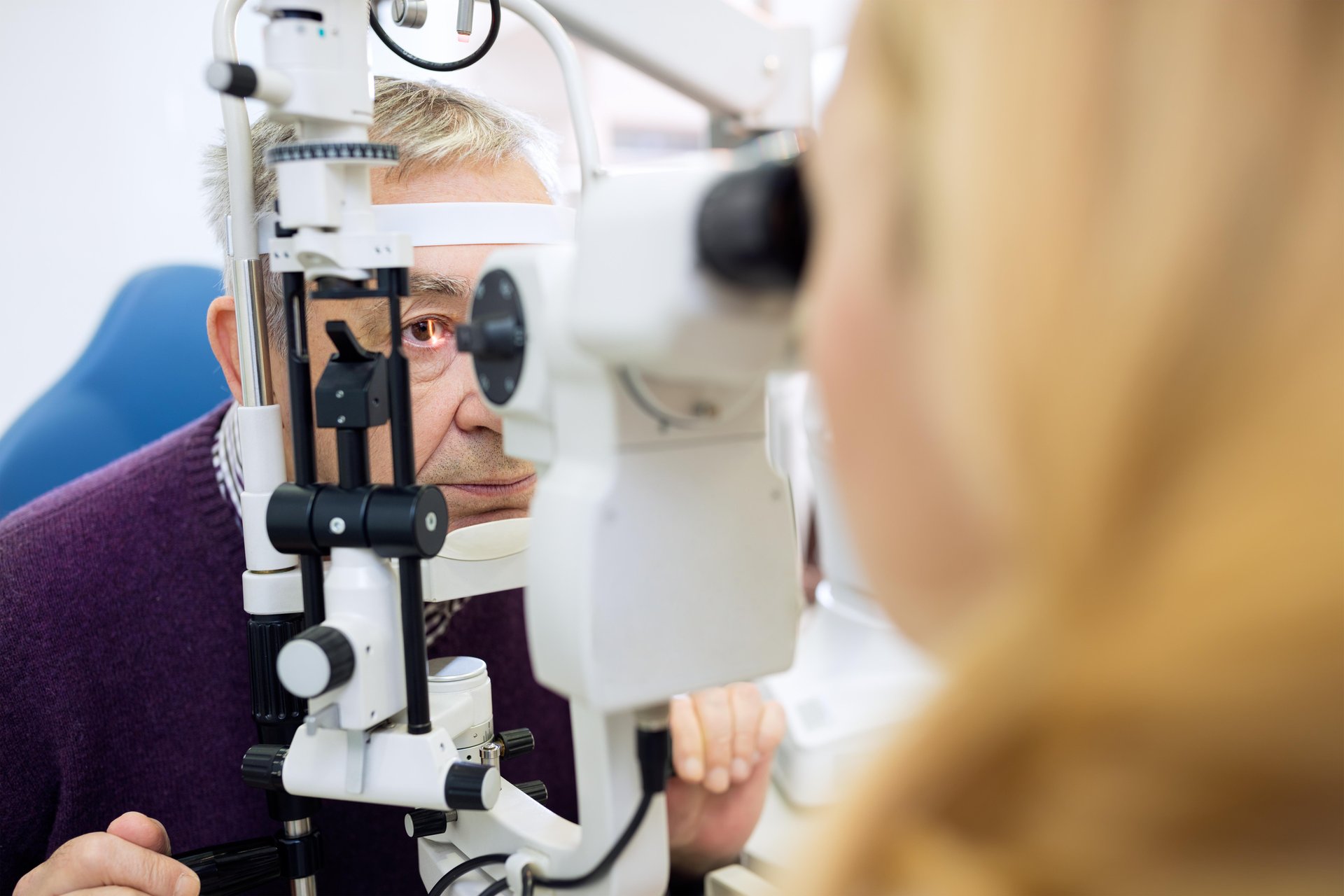
Gaps in knowledge for the leading cause of adult blindness seen for symptoms, treatment
WEDNESDAY Feb. 8, 2023 (HealthDay News) — Most U.S. adults are unaware of warning signs of age-related macular degeneration (AMD) and treatment advances for the condition, according to survey results released by the American Society of Retina Specialists.
The online survey conducted in January included responses from 1,008 U.S. adults aged 40 years and older.
According to the results of the survey, 78 percent of respondents did not know straight lines appearing wavy or distorted was a symptom of AMD, and only half (51 percent) were aware that a gradual or sudden loss of central vision or a dark, blurry area in the center of vision is an AMD symptom. Additionally, 83 percent did not know that obesity increases the risk for developing AMD, while 74 percent did not identify excessive sun exposure as a risk factor. Lastly, nearly seven in 10 participants (67 percent) did not know anti-vascular endothelial growth factor medication injections could potentially prevent blindness and vision loss.
“When patients partner with a retina specialist at the first sign or symptom, we develop a treatment plan using our extensive and specialized education and training that can help patients maintain healthy sight despite AMD,” Philip J. Ferrone, M.D., president of the Foundation of the American Society of Retina Specialists, said in a statement.
 Active Smoking Linked to Progression of Sickle Cell Retinopathy
 Gaining an Hour of Sleep May be Protective Against Retinal Disease
 Renal Impairment Linked to Age-Related Macular Degeneration
.jpg) Semaglutide Not Linked to Higher Neovascular Age-Related Macular Degeneration Risk
 Weight-Loss Surgery Produces Lasting Diabetes Remission
 GLP-1 Receptor Agonists, SGLT-2is Slow Renal Function Decline in T2D With Albuminuria
 Study IDs Risk Factors for Ketoacidosis in Adults With T2D Receiving SGLT2 Inhibitors
 Genetics, Diabetes Tied to MASLD-Associated Cirrhosis Before Age 50





