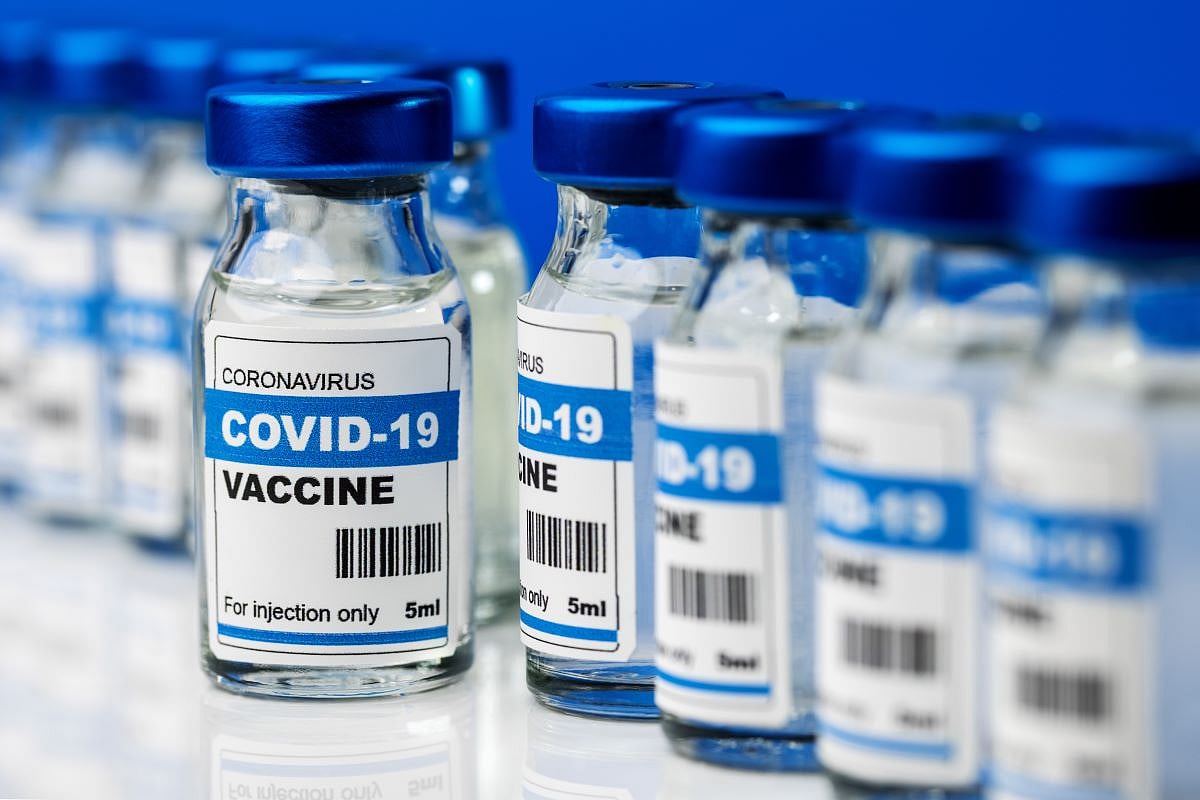
3 percent of hospitalized COVID-19 patients experience gastrointestinal bleeding
TUESDAY, Dec. 29, 2020 (HealthDay News) — Use of anticoagulation or antiplatelet agents is not a risk factor for gastrointestinal (GI) bleeding among hospitalized COVID-19 patients, according to a study published online Dec. 20 in the Journal of Internal Medicine.
Arvind J. Trindade, M.D., from the Feinstein Institutes for Medical Research at Northwell Health in Manhasset, New York, and colleagues examined risk factors associated with GI bleeding in hospitalized COVID-19 patients. The analysis included COVID-19 patients with GI bleeding who were matched (1:1) to COVID-19 patients without bleeding based on a propensity score accounting for comorbidities, demographics, GI bleeding risk factors, and length of stay.
The researchers identified 314 hospitalized COVID-19 patients with GI bleeding (3 percent). There were no identifiable risk factors associated with GI bleeding, not even the use of anticoagulation medication or antiplatelet agents. There was an increased mortality risk observed for patients who developed a GI bleed during hospitalization (odds ratio, 1.58).
“This study is reassuring given anticoagulation is being prescribed to critically ill hospitalized COVID-19 patients,” the authors write.
One author disclosed financial ties to Olympus America, Pentax Medical, and Ninepoint Medical.
Abstract/Full Text (subscription or payment may be required)
 NOACs Linked to Slower Cognitive Decline in Patients With A-Fib, Alzheimer Disease
  Metabolic Dysfunction-Associated Steatotic Liver Disease Linked to Higher Odds of Eosinophilic Esophagitis
  Eosinophilic Esophagitis Prevalence May Be Higher Than Thought in Pediatric Patients With Asthma
  Antibiotic Prescribing >95 Percent for Uncomplicated Diverticulitis
  Therapies Compared for Newly Diagnosed Multiple Sclerosis
  Initial Rx Length Tied to Long-Term Use of Z-Drugs
  Azacitidine + Venetoclax Tied to Improved Event-Free Survival in Adults With AML
  Updated Recommendations Address Medications to Prevent Migraine in Adults