


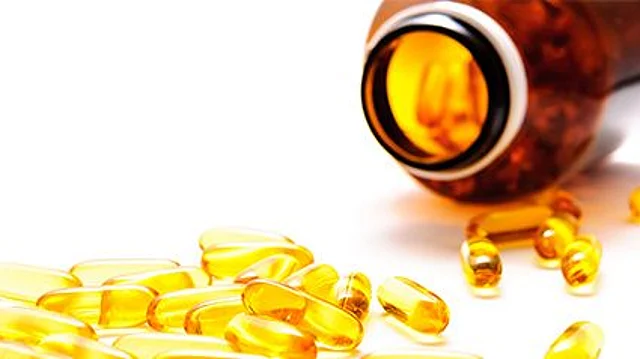
Significant association persists after adjustment for race, periodontal disease status, diabetes, and obesity
MONDAY, Jan. 25, 2021 (HealthDay News) — Patients with vitamin D deficiency are significantly more likely to be positive for COVID-19, according to a study published in the April issue of Nutrition.
Joseph Katz, D.M.D., from the University of Florida College of Dentistry in Gainesville, and colleagues examined the strength of the association between vitamin D deficiency and COVID-19 in a cross-sectional study of large patient cohorts. Data were included from the i2b2 patient’s registry platform at the University of Florida Health Center for the period of Oct. 1, 2015, through June 30, 2020.
The researchers found that compared with patients with no deficiency, those with vitamin D deficiency were 4.6 times more likely to be positive for COVID-19. After adjustment for sex and malabsorption, the association decreased slightly (odds ratios, 4.58 and 4.46, respectively). After adjustment for race, periodontal disease status, diabetes, and obesity, the association decreased significantly but remained robust (odds ratios, 3.76, 3.64, 3.28, and 2.27, respectively). After adjusting for age groups, patients with vitamin D deficiency were more likely to be infected with COVID-19 than those with no deficiency (odds ratio, 5.155).
“Perhaps the most important finding was that vitamin D deficiency increased the risk of developing COVID-19 by a factor of 5 after adjusting for age,” the authors write. “Prospective interventional studies are required to validate the hypothesis that vitamin D supplementation can be helpful for the prevention and treatment of COVID-19.”
 Recommendations Issued for Use of Incretin-Based Meds in Pregnancy
  Serum 25(OH)D May Serve as Biomarker of Disease Activity in IBD
  Eating More Ultraprocessed Foods Heightens Risk for Chronic Diseases
  Maternal Vitamin D Status Linked to Preterm Delivery
  Low Levels of Placental Growth Factor in Pregnancy Linked to Subsequent ADHD in Offspring
  Nutritional Deficiencies Seen in Youth Taking GLP-1 Receptor Agonists
  IBD Not Linked to Risk for Hypertensive Disorders of Pregnancy Overall
  Mom"s Poor Sleep in Late Pregnancy Linked to Offspring"s Obesity Risk in Early Childhood

.jpg)

