Only a small minority of patients with skull fractures were wearing helmets
THURSDAY, Oct. 13, 2022 (HealthDay News) — The national burden of fractures associated with children riding bicycles has shown a steady decrease for many years, according to a study presented at the annual meeting of the American Academy of Pediatrics, held from Oct. 7 to 11 in Anaheim, California.
William Huffman, from Children’s Hospital of Philadelphia, and colleagues used data from the National Electronic Injury Surveillance System (2001 and 2020) to identify patients aged 18 years or younger with bicycle accident-related fractures presenting to U.S. emergency departments.
The researchers identified a total of 34,722 fractures, representing an estimated 1.01 million fractures or 50,975 fractures annually. There was a significant trend of decreasing fractures observed during the study period. Fractures were most common in patients who were male (71.8 percent), White (53.0 percent), and ages 10 to 12 years (30.6 percent) or 13 to 15 years (24.8 percent). Temporally, fractures were most commonly seen in the spring (34.2 percent) or summer (37.8 percent). The lower arm (25.2 percent), wrist (21.2 percent), and shoulder (10.5 percent) were the most common fracture locations. Fractures from accidents involving a motor vehicle were more likely to result in hospital admission (27.1 percent) versus fractures without the involvement of a motor vehicle (6.7 percent). Only a small minority of patients with skull fractures were wearing helmets (14.2 percent).
“The results of our study suggest that continued efforts teaching road safety and promoting helmet use should be targeted towards all children, but with additional efforts being directed towards the most affected population, namely 10- to 15-year-old boys,” coauthor J. Todd R. Lawrence, M.D., Ph.D., also from Children’s Hospital of Philadelphia, said in a statement. “Municipalities should continue to evaluate traffic patterns on their local roads to improve bike safety for children.”
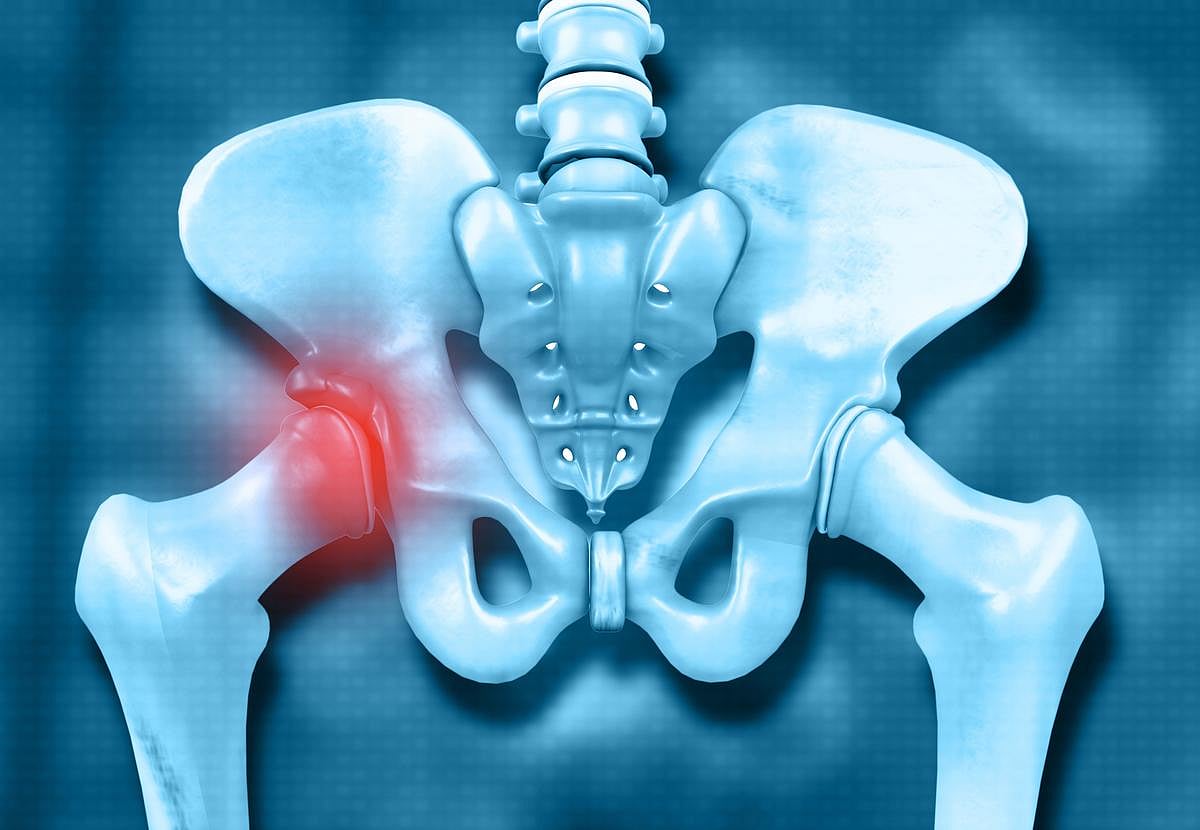 Dual-Mobility THR Linked to Reduced Risk for Dislocation
  Consensus Statement Addresses Management of Skeletal Fragility in Patients With CKD
 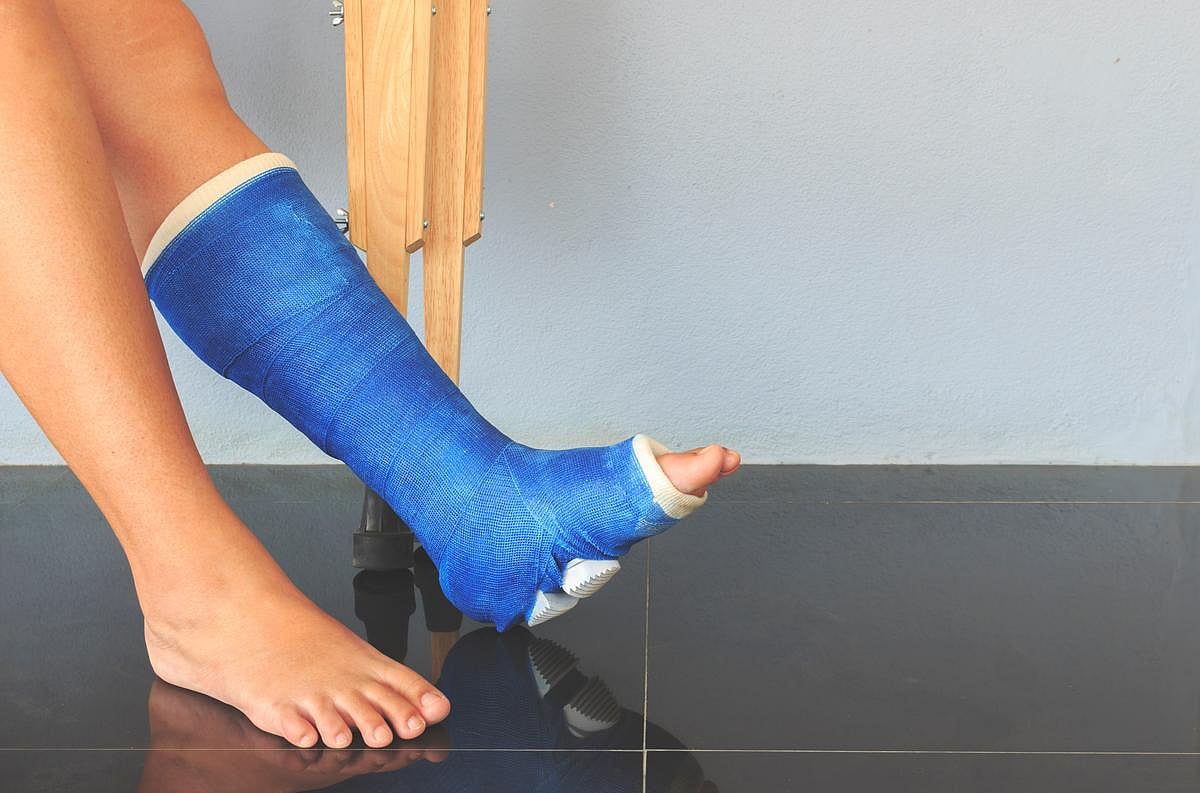 Cast Immobilization Noninferior to Surgery for Weber B Ankle Fracture
  Orthopedic Surgeons Critical in Identifying Intimate Partner Violence
  Fewer Days at Home After Hip Fracture Seen in Economically Deprived Areas
  GLP-1 Receptor Agonist Use May Lower Vertebral Fracture Risk With Type 2 Diabetes
  Skipping Breakfast, Eating Late May Increase Osteoporosis Risk
  Pediatric Clavicular Fracture Rates Stable From 2014 to 2023