44.9 percent of veterans with COVID-19 infection, 35.3 percent without reported that they could do less than before pandemic
MONDAY, March 4, 2024 (HealthDay News) — Many veterans with and without documented COVID-19 infection reported a loss of everyday functioning during the pandemic, according to a study published online March 1 in JAMA Network Open.
Theodore J. Iwashyna, M.D., Ph.D., from the VA Center for Clinical Management Research in Ann Arbor, Michigan, and colleagues examined the impact of COVD-19 infection on everyday functioning 18 months after infection using data for 186 veterans with COVID-19 between October 2020 and April 2021 and 186 matched comparators who did not have documented COVID-19 infections. The differences in self-reported everyday functioning were estimated.
The researchers found that compared with the control cohort, a higher proportion of veterans in the COVID-19 cohort reported that they could do less than what they felt they could do at the beginning of 2020 (weighted percentage, 44.9 versus 35.3 percent; within-matched pair adjusted odds ratio, 1.52; 95 percent confidence interval, 0.79 to 2.91). No association was seen for documented COVID-19 infection with fatigue, substantial pain, limitations in activities of daily living or instrumental activities of daily living, severely curtailed life-space mobility, employment, or mean health-related quality of life on a utility scale.
“These results highlight the importance of acknowledging and addressing the broader impacts of the COVID-19 pandemic on health beyond those directly associated with documented infection,” the authors write.
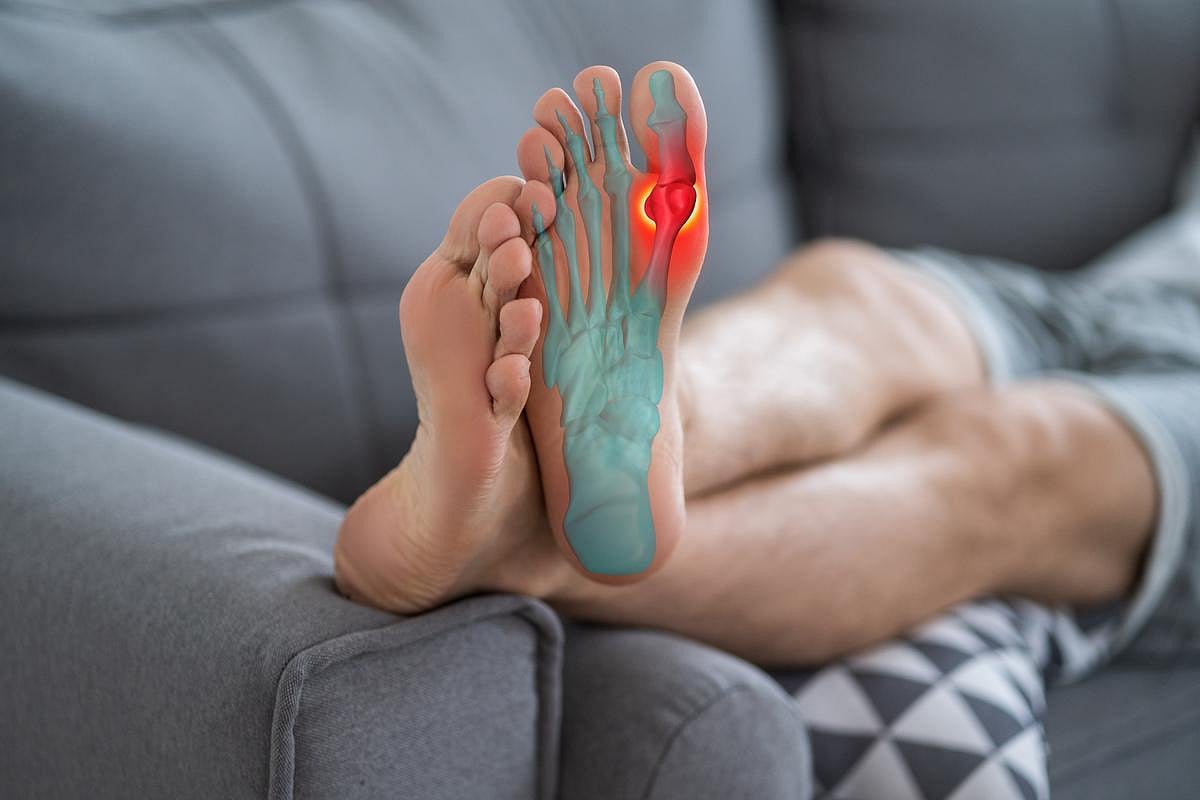 First Metatarsophalangeal Joint Arthrodesis Eases Painful Hallux Rigidus
  Type 2 Diabetes Linked to Worse Menopausal Symptoms
  Botox Helpful in Alleviating Chronic Migraine in Pediatric Patients
  Platelet-Rich Plasma, Shockwave Therapy Show Therapeutic Efficacy in Interstitial Cystitis
 .jpg) Tadalafil Linked to Glaucoma in Men With Lower Urinary Tract Symptoms
Tadalafil Linked to Glaucoma in Men With Lower Urinary Tract Symptoms 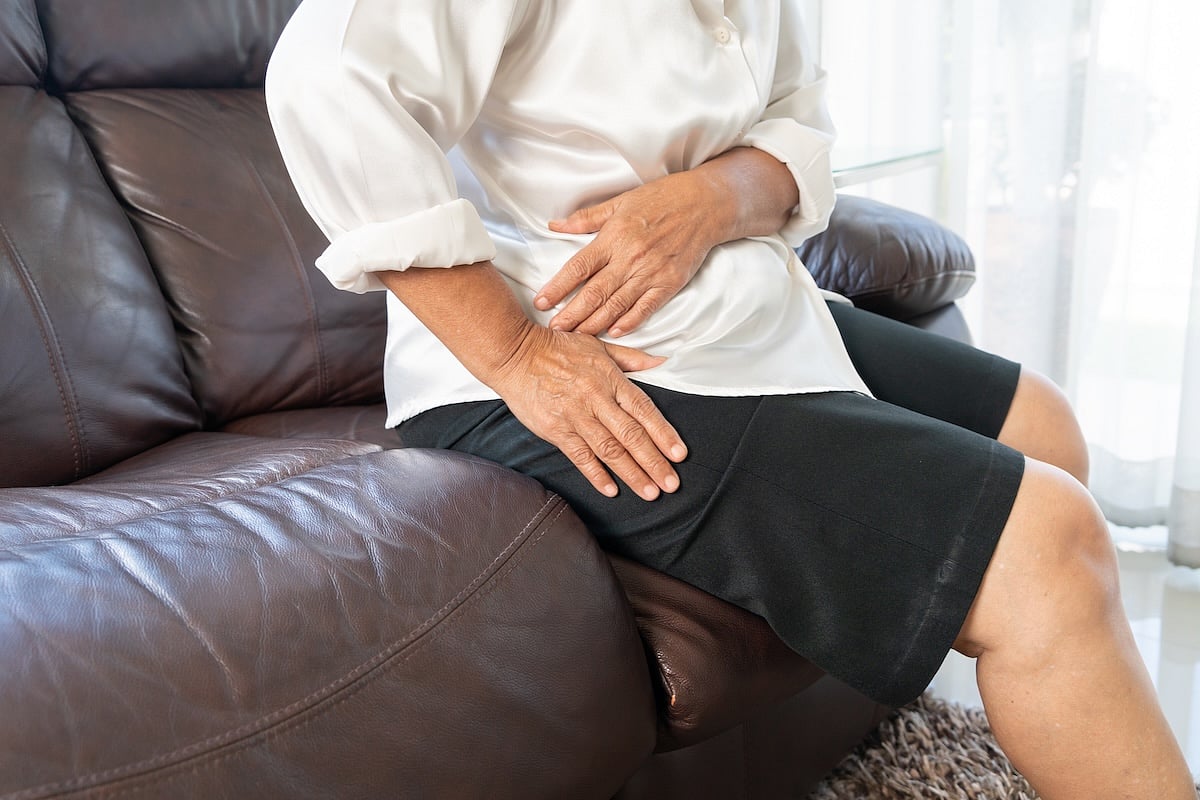 Review Reveals Limited Effects of Exercise on Hip Osteoarthritis
  Data Reveal No Hypersensitivity Due to Axillary Brachial Plexus Block Alone
  Adding Cognitive Behavioral Therapy, Self-Management Does Not Improve Opioid Taper Success