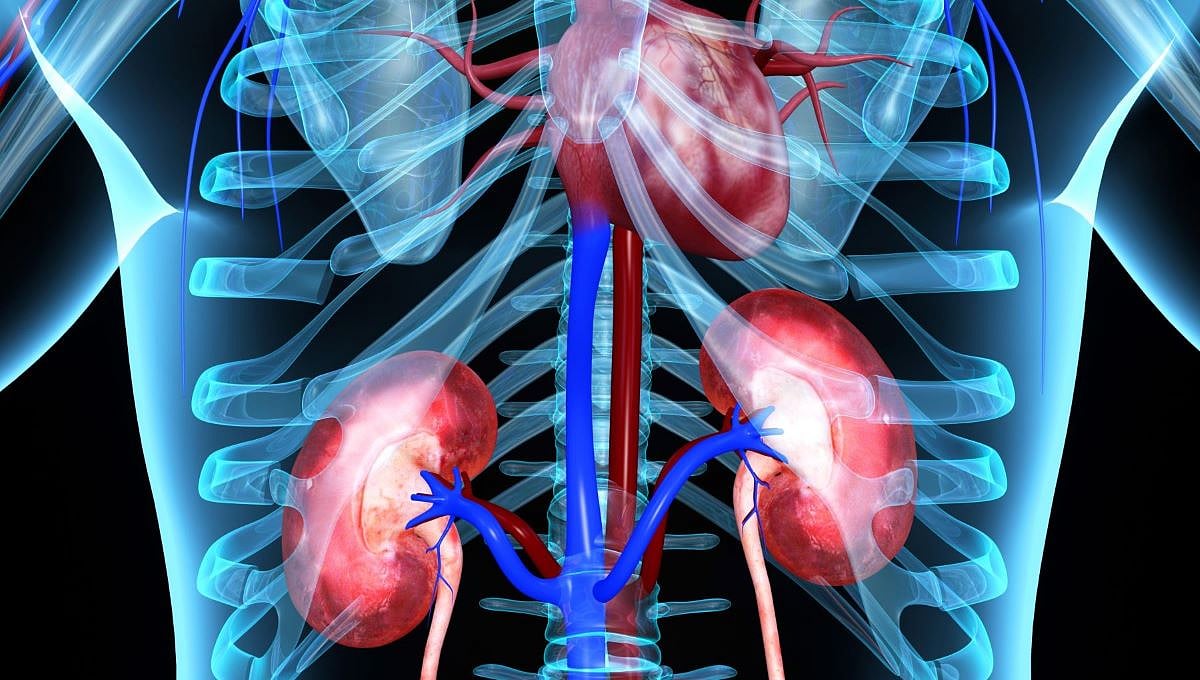
Screening also recommended for postmenopausal women aged younger than 65 years with one or more risk factors
TUESDAY, June 11, 2024 (HealthDay News) — The U.S. Preventive Services Task Force (USPSTF) recommends screening for osteoporosis for women aged 65 years and older and for postmenopausal women younger than 65 years with one or more risk factors. These recommendations form the basis of a draft recommendation statement published online June 11.
Researchers reviewed the evidence from 138 studies reporting trials or systematic reviews that assessed the benefits or harms of screening in adults without known osteoporosis or medical conditions associated with bone metabolism compared with no screening or usual care. Three randomized controlled trials and two systematic reviews reported on the direct benefits of screening in European women (median age, 71 to 76 years). The researchers found that screening was associated with a reduced risk for hip fractures and major osteoporotic fractures compared with usual care across trials (pooled relative risks, 0.83 and 0.94, respectively). The corresponding absolute risk differences were five and six fewer fractures per 1,000 participants.
Based on these findings the USPSTF recommends osteoporosis screening to prevent osteoporotic fractures in women aged 65 years or older (B recommendation). For postmenopausal women younger than 65 years with one or more risk factors for osteoporosis, screening is recommended to prevent osteoporotic fractures (B recommendation). For men, the current evidence is insufficient for assessing the balance of benefits and harms of screening to prevent osteoporotic fractures (I statement).
The draft recommendation statement and draft evidence review have been posted for public comment. Comments can be submitted from June 11 to July 8, 2024.
 Machine Learning Model IDs Heart Failure With Reduced Ejection Fraction Using Routine Lab Indicators
  Addition of CAC to PREVENT-ASCVD Equations May Improve Predictive Utility in Certain Patients
  NEWS2 Scores Can ID Patients With Suspected Sepsis Needing Timely Treatment
 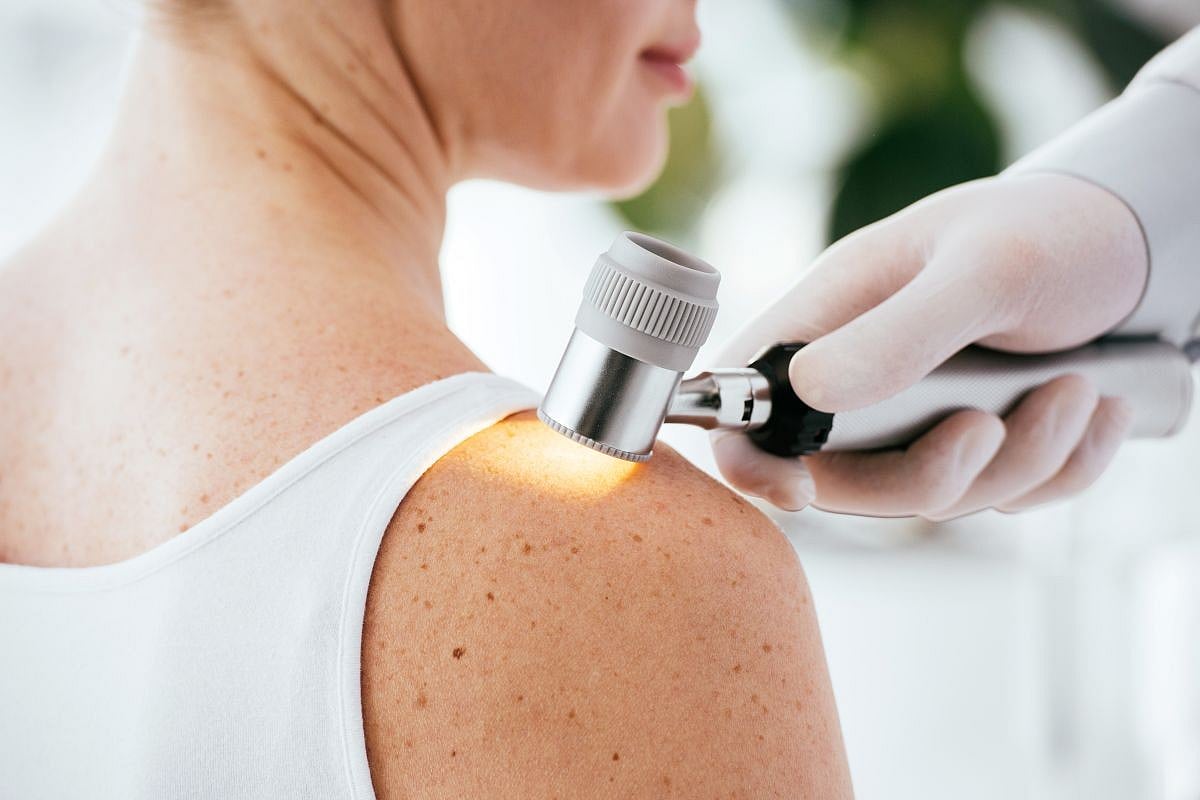 Patient Education Increases Skin Cancer Screening in Stem Cell Transplant Survivors
 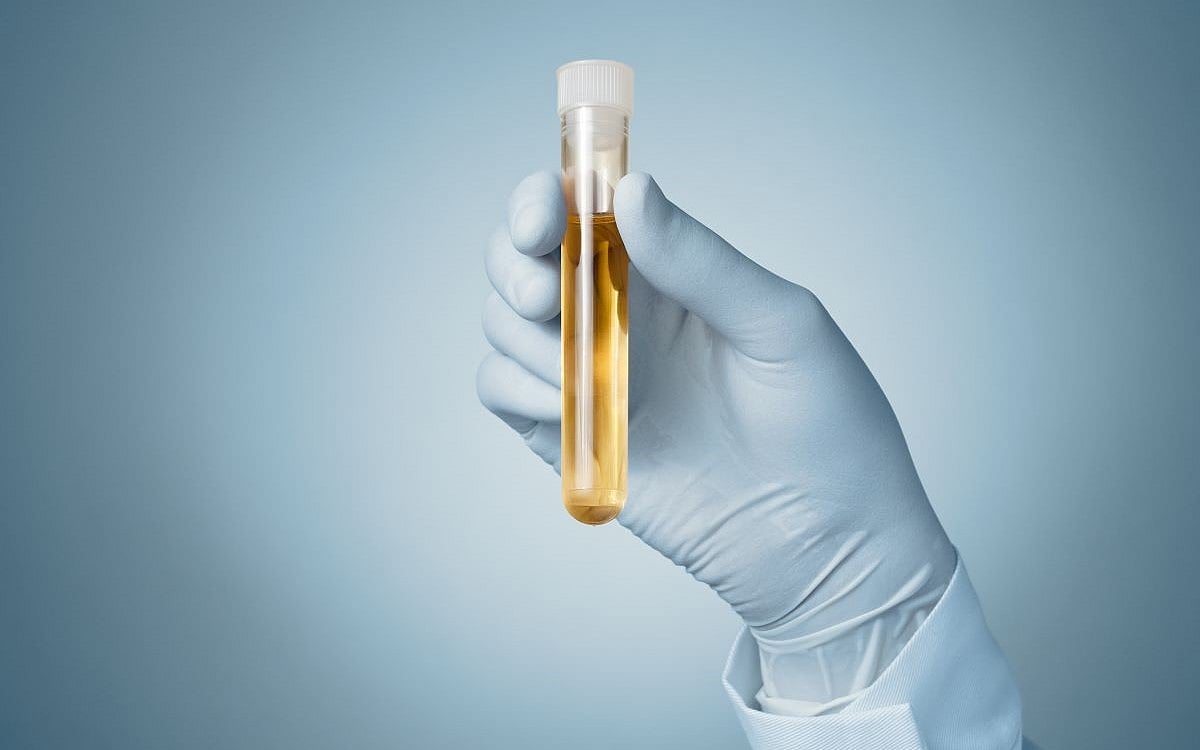 Biomarkers Plus Kidney Donor Profile Index Improve Prediction of Concordant Allograft Outcomes
  Genomic Newborn Screening Could ID Cancer Predisposition Syndrome
  Female Emergency Medicine Physicians Order More Tests, Admit More Patients
  1 in 3 Women and 1 in 4 Men Engage in Intentional Outdoor Tanning