Increasing numbers of infections may reflect changing diagnostic practices, with increase in diagnosis by culture-independent diagnostic tests
MONDAY, July 8, 2024 (HealthDay News) — During 2023, there were increases in the incidences of certain foodborne disease, which may reflect changes in diagnostic practices, according to research published in the July 4 issue of the U.S. Centers for Disease Control and Prevention Morbidity and Mortality Weekly Report.
Hazel J. Shah, M.P.H., from the CDC in Atlanta, and colleagues summarized preliminary 2023 Foodborne Diseases Active Surveillance Network (FoodNet) data, and discussed efforts to increase FoodNet representativeness.
The researchers observed increases in the incidences of domestically acquired campylobacteriosis, Shiga toxin-producing Escherichia coli infection, yersiniosis, vibriosis, and cyclosporiasis during 2023 compared with 2016 to 2018, while the incidences of listeriosis, salmonellosis, and shigellosis remained stable. The incidence and percentage of infections diagnosed by culture-independent diagnostic tests (CIDTs) reported to FoodNet continued to increase during 2023, and there was a decrease seen in the percentage of cases yielding an isolate, affecting observed incidence trends. Since CIDTs allow for diagnosis of infections that would previously have gone undetected, increasing numbers of infections may reflect changing diagnostic practices.
“Continued surveillance is needed to monitor the impact of changing diagnostic practices on disease trends and evaluate the efficacy of prevention efforts in reducing incidence,” the authors write.
 Hydrogel-Based Dermal Regenerative Template Shows Promise in Wound Reconstruction
  Spinal Cord Stimulation Cuts Pain, Improves Sensation With Diabetic Nerve Damage
 .jpg) Composite Biomarker Helps ID Early-Stage Pancreatic Ductal Adenocarcinoma
Composite Biomarker Helps ID Early-Stage Pancreatic Ductal Adenocarcinoma  ASTRO Issues Guidance for Use of Radiation Therapy in Bladder Cancer
 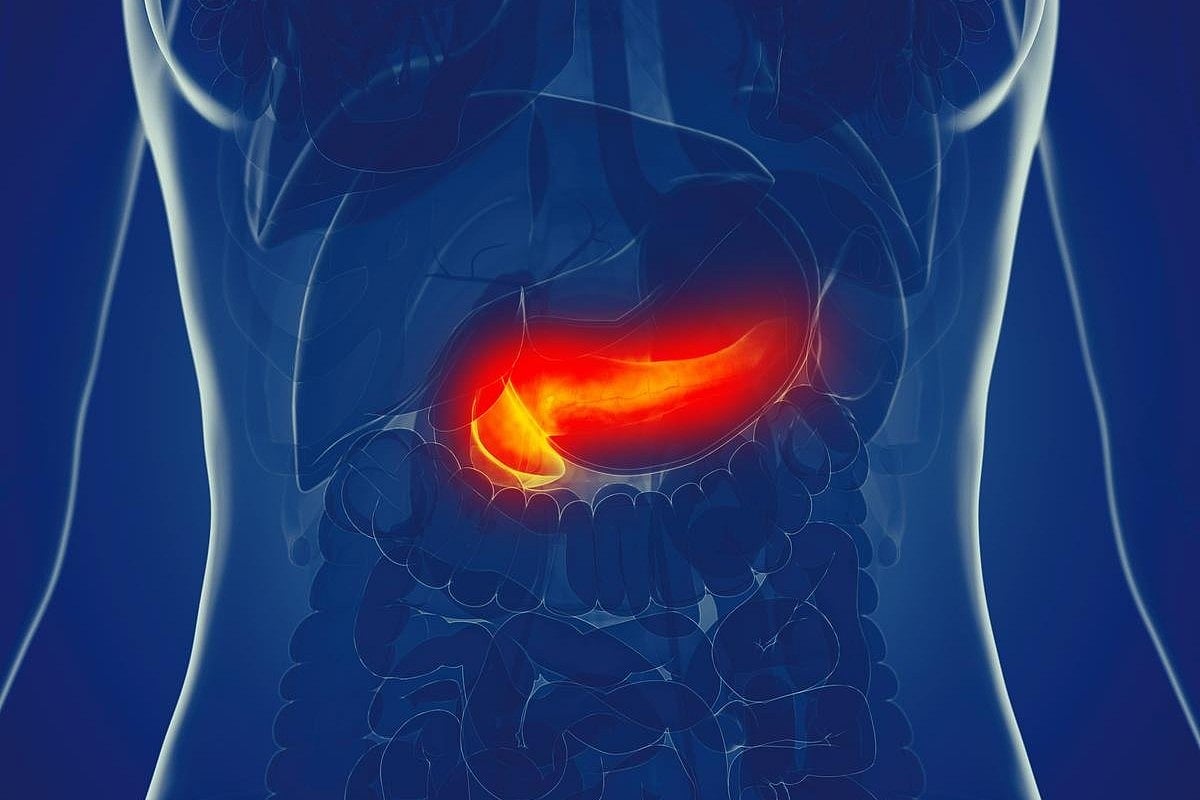 Recommendations Updated for Radiation Therapy in Pancreatic Cancer
 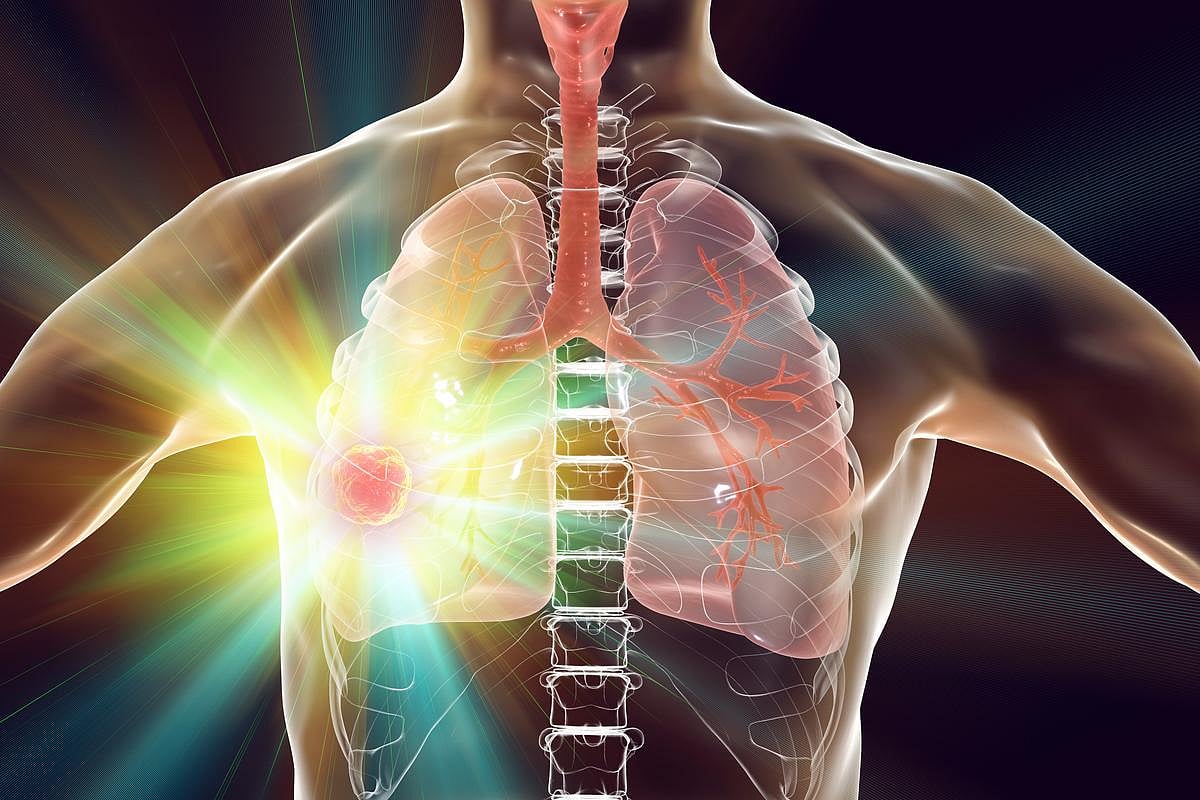 Thymic Radiation Linked to Worse Outcomes in Patients With NSCLC
  Aircrew Face Higher Odds of Radiation-Related Cancer Deaths