


Exposure during hospitalization associated with increased risk for developing new-onset diabetes
WEDNESDAY, Sept. 11, 2024 (HealthDay News) — Exposure to systemic glucocorticoids during hospitalization is associated with an increased risk for new-onset diabetes, according to a study presented at the annual of the European Association for the Study of Diabetes, held from Sept. 9 to 13 in Madrid.
Rajna Golubic, M.D., Ph.D., from the University of Oxford in the United Kingdom, and colleagues estimated the crude and age- and sex-adjusted incidence rate ratio (IRR) of new-onset diabetes arising during time exposed versus unexposed to systematic glucocorticoids. The analysis data set included 451,606 adults free from diabetes (median age, 52 years).
The researchers found that autoimmune/inflammatory diseases/infections were the most common indication for systemic glucocorticoids (65.3 percent). Overall, 1.8 and 0.8 percent of ever-exposed versus never-exposed individuals developed new-onset diabetes in the exposed and nonexposed time in years. The incidence rates were 51.9 and 18.5 per 100 person-years for the ever-exposed and never-exposed groups, respectively. The median length of stay in days was three and one for ever-exposed and never-exposed participants. For new-onset diabetes associated with glucocorticoids, the unadjusted and age- and sex-adjusted IRRs were 2.8 and 2.6, respectively.
“These latest results give clinical staff a better estimate of how likely new diabetes is to occur and could prompt doctors to plan clinical care more effectively to detect and manage new diabetes,” Golubic said in a statement.
 Weight-Loss Surgery Produces Lasting Diabetes Remission
 Treatment Satisfaction Higher for Patients With RA Choosing Their Own Treatment
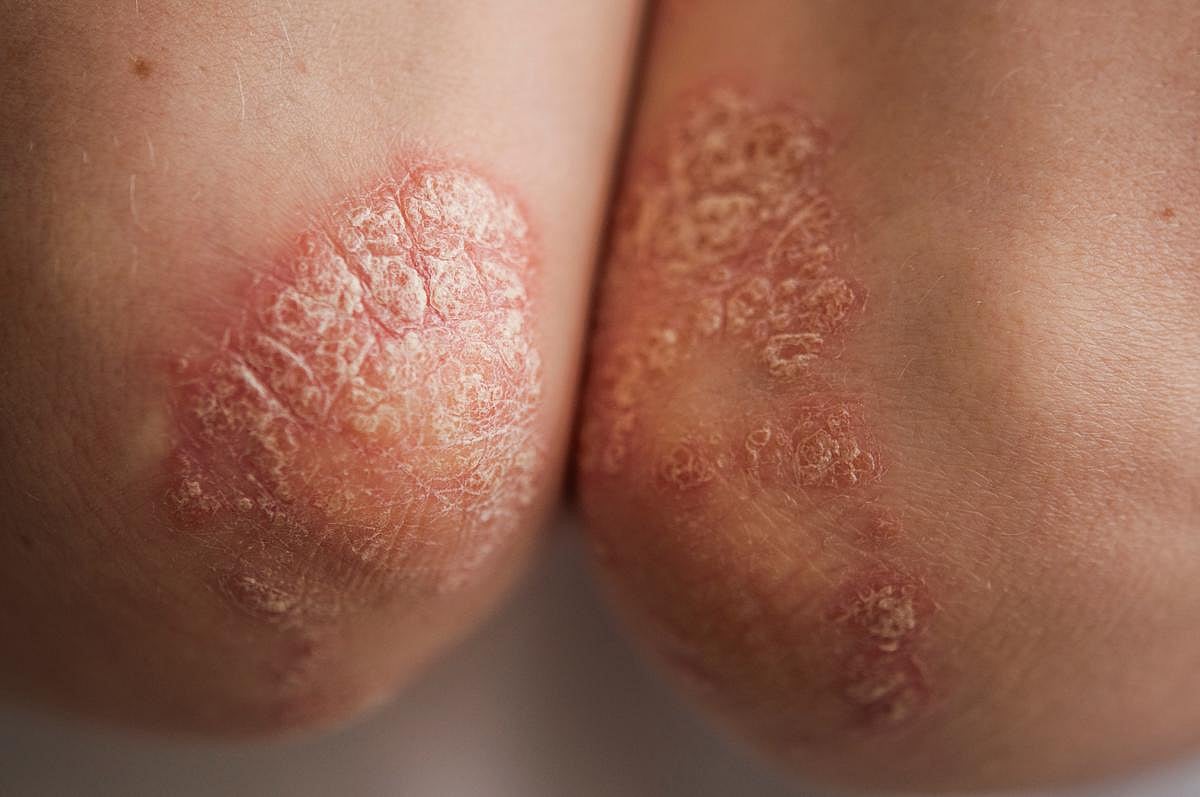 Mortality, Comorbidity Risk Increased With Generalized Pustular Psoriasis
 Spinal Cord Stimulation Cuts Pain, Improves Sensation With Diabetic Nerve Damage
 Ultrasound-Guided Hydrodissection Yields Improvements in Carpal Tunnel
 Physical Therapist-Supervised Exercise Improves Outcomes After ACL Reconstruction
 2013 to 2024 Saw Decrease in Benzodiazepine Prescribing
 2016 to 2024 Saw Increase in Patients Using Medical Cannabis





