


Association exists in a sex- and childhood stressor-specific manner
WEDNESDAY, Sept. 25, 2024 (HealthDay News) — Childhood adversity is associated with worse biological health and an elevated risk for many major health problems, according to a study published in the January 2025 issue of Brain, Behavior, and Immunity.
Jenna Alley, Ph.D., from the University of California, Los Angeles, and colleagues conducted latent class analyses (LCAs) to identify clusters of adults experiencing multiple childhood stressors (2,111 adults) among participants of the Midlife in the United States Study and then evaluated how latent stressor exposure groups and individual stressors related to 25 biomarkers of inflammation, metabolism, and stress and 20 major health conditions.
The researchers found that optimal LCA models yielded three female (low-, moderate-, and high-stress) and two male (low- and high-stress) stressor exposure classes. Greater inflammation (male: Mahalanobis’s D = 0.43; female: D = 0.59) and poorer metabolic health (male: D = 0.32 to 0.33; female: D = 0.32 to 0.47) were seen among the high-stress classes. High-stress classes also had more cardiovascular (male: hazard ratio [HR], 1.56; female: HR, 1.97), cancer (male: HR, 2.41; female: HR, 2.51), metabolic (male: HR, 1.54; female: HR, 2.01), thyroid (male: HR, 3.65; female: HR, 2.25), arthritis (male: HR, 1.81; female: HR, 1.97), and behavioral health problems (male: HR, 2.62; female; HR, 3.67).
“Childhood adversity portends worse biological health and elevated risk for many major health problems in a sex- and stressor-specific manner,” the authors write.
 Low Levels of Placental Growth Factor in Pregnancy Linked to Subsequent ADHD in Offspring
  Better Youth Fitness May Lower Risk for Depression in Adulthood
 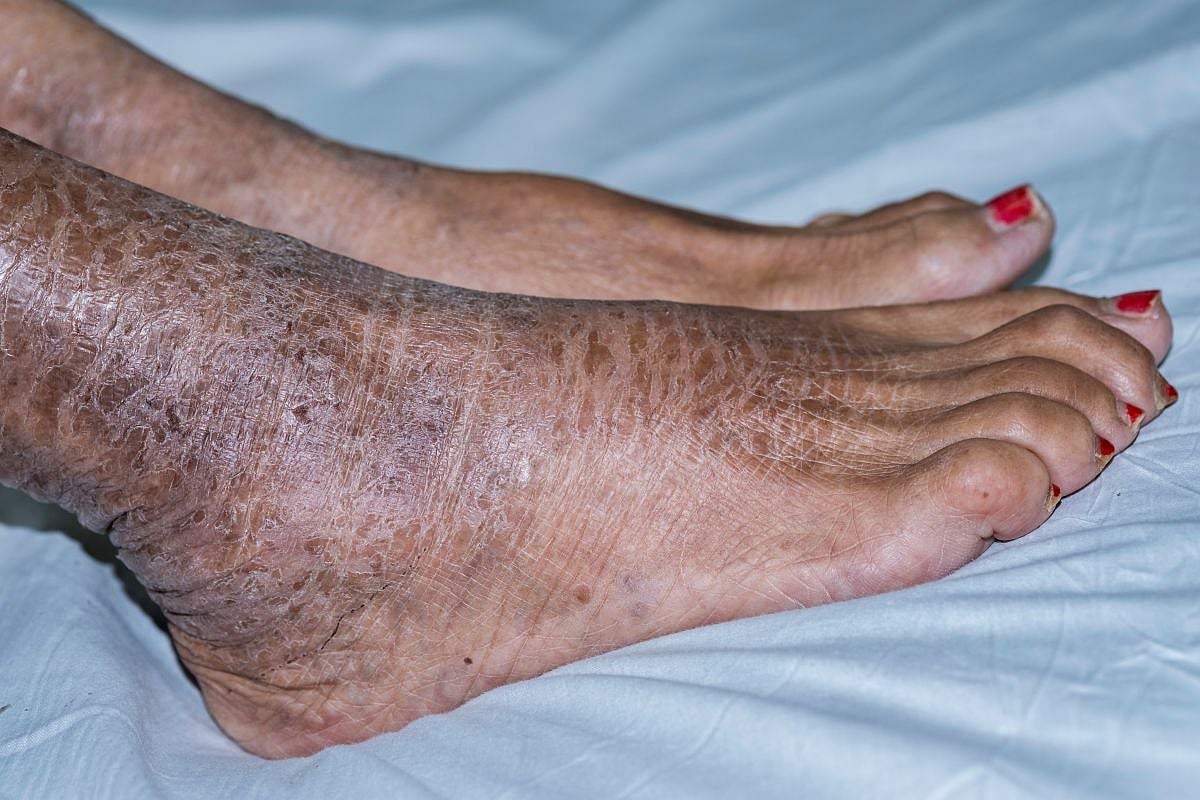 Congenital Ichthyosis Linked to Allergic Disorders
  Mom"s Poor Sleep in Late Pregnancy Linked to Offspring"s Obesity Risk in Early Childhood
  Recommendations Issued for Use of Incretin-Based Meds in Pregnancy
  Maternal Vitamin D Status Linked to Preterm Delivery
  IBD Not Linked to Risk for Hypertensive Disorders of Pregnancy Overall



.jpg)
