


Findings seen for cockroach and mouse allergens
WEDNESDAY, Sept. 25, 2024 (HealthDay News) — Cockroach and mouse allergen exposure may predispose children with asthma to upper respiratory infections (URIs) and worse respiratory outcomes, according to a study published online Aug. 19 in the Journal of Allergy and Clinical Immunology.
Darlene Bhavnani, Ph.D., from the University of Texas at Austin, and colleagues examined associations between indoor allergens and: URI, URI + cold symptoms, URI + cold symptoms + pulmonary eosinophilic inflammation (fraction of exhaled nitric oxide ≥20 ppb), and URI + cold symptoms + reduced lung function (percent predicted forced expiratory volume in 1 second of <80 percent). The analysis included data from 90 participants in the Environmental Control as Add-on Therapy for Childhood Asthma study (192 observations).
The researchers found that 27 percent of observations were positive for URI. There were increased odds of a URI with cold symptoms with a doubling in cockroach allergen concentration (odds ratio [OR], 1.18; 95 percent confidence interval [CI], 0.99 to 1.40), as well as higher odds of a URI + cold symptoms + pulmonary eosinophilic inflammation (OR, 1.31; 95 percent CI, 1.10 to 1.57) and URI + cold symptoms + reduced lung function (OR, 1.45; 95 percent CI, 1.13 to 1.85). There were positive associations between mouse allergen concentrations and all outcomes. Among children sensitized to pest allergens, associations were suggestively stronger.
“These results could help explain why some children, especially those who live in underserved areas, have more trouble with their asthma than others,” Bhavnani said in a statement.
Abstract/Full Text (subscription or payment may be required)
 Air Pollution Does Not Impair Benefits of Walking in Reducing COPD Exacerbation Rate
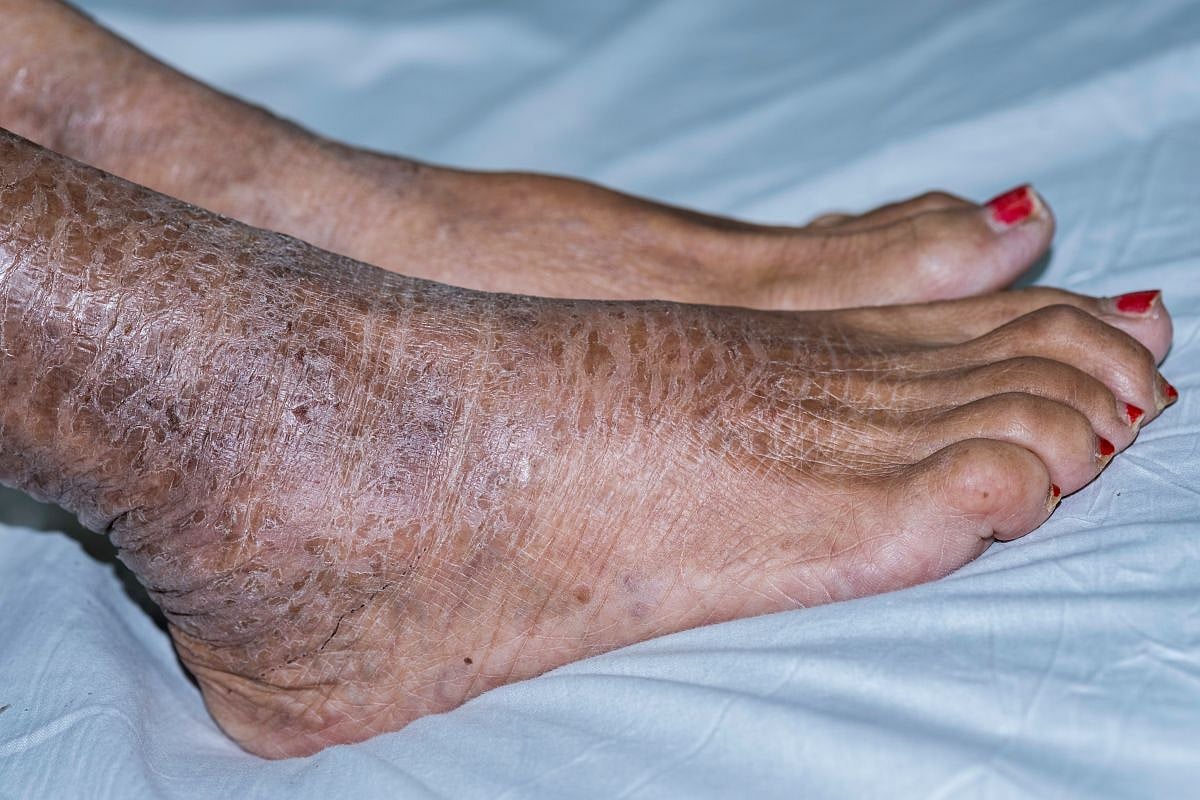 Congenital Ichthyosis Linked to Allergic Disorders
 Distinct Skin Microbiome Features Emerge Before Atopic Disease Onset in Infants
 Use of SAMA, SABA Linked to Cardiovascular Events, Mortality in Asthma, COPD
 Lower Cognitive Functioning During 60s Linked to Subsequent Stroke Risk
 Exercise-Based Cardiac Rehab Beneficial for Coronary Heart Disease
 Elevated C-Reactive Protein Linked to Increased Risk for Incident Heart Failure, All-Cause Mortality
 Incidence of Stroke Increasing Among Young Adults



.jpg)

