


Additional benefit seen for mental health and well-being
WEDNESDAY, Oct. 23, 2024 (HealthDay News) — Urban green spaces appear to play an important role in mitigating heat-related health risks, according to a review published online Oct. 22 in BMJ Open.
Ahsana Nazish, from the London School of Hygiene & Tropical Medicine, and colleagues conducted a systematic literature review to assess the impact of urban green spaces on heat-related morbidity and mortality.
Based on 12 included studies, predominantly from high-income and upper-middle-income nations, the researchers found a pattern in which regions abundant in green spaces report lower rates of heat-related morbidity and mortality in contrast to those with sparse greenery. Urban vegetation also appeared to exert a positive influence on mental health and well-being, potentially aiding in offsetting the adverse health repercussions of high temperatures.
“It is important to note that more research is needed to fully understand the extent of the impact of urban greenery on heat-related morbidity and mortality, and how it interacts with other factors such as air pollution, socioeconomic status among others,” the authors write. “Urban green spaces play a vital role in mitigating heat-related health risks, offering a potential strategy for urban planning to address climate change and enhance public health.”
 Air Pollution Does Not Impair Benefits of Walking in Reducing COPD Exacerbation Rate
  Nearly 3 in 4 Older Adults Express Interest in Vaccine to Prevent Dementia
  People With Autism Have Shorter Life Expectancy
  Freshwater Swimming Tied to Stomach Bugs, Skin Conditions
 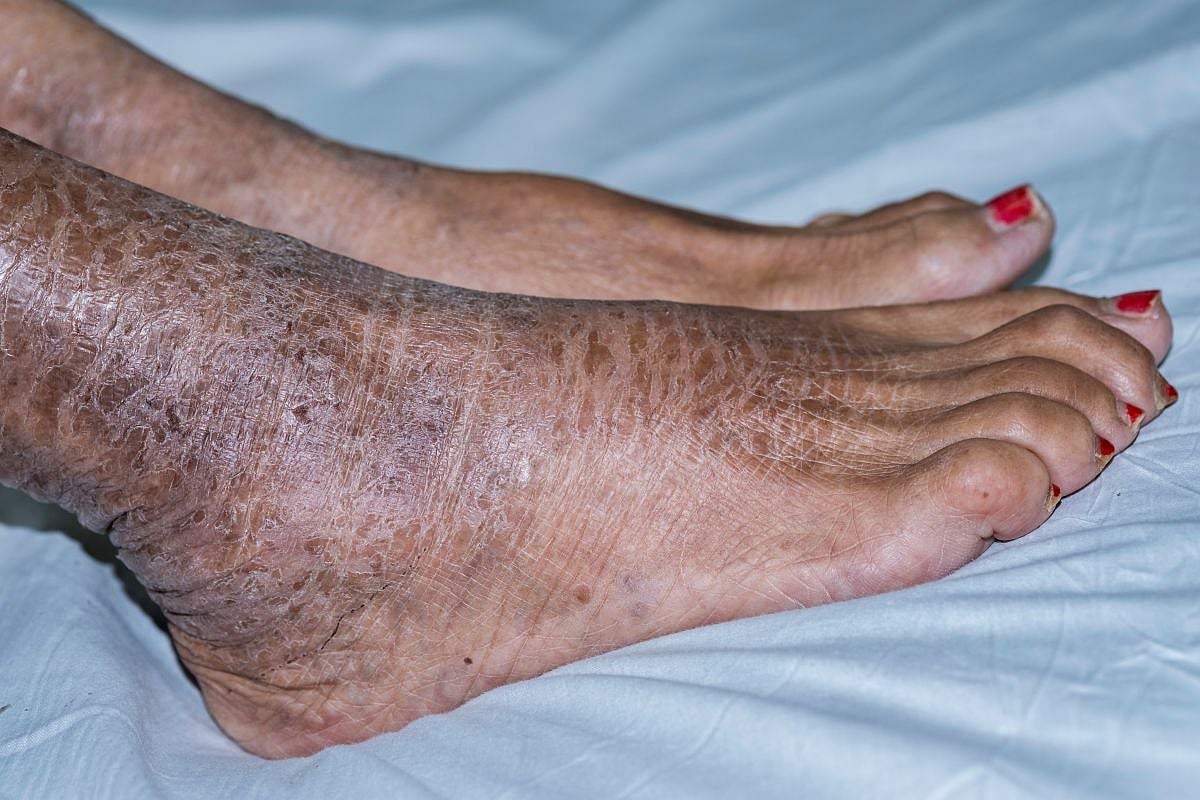 Congenital Ichthyosis Linked to Allergic Disorders
  Distinct Skin Microbiome Features Emerge Before Atopic Disease Onset in Infants
  H. Pylori Exposure May Contribute to Global Burden of Colorectal Cancer
  About 1 in 20 Hospitalized U.S. Adults With Firearm Injuries Develop Bacterial Infections


.jpg)

