


Additional benefits include significant improvement in the physical and mental states of people with alcohol use disorder
WEDNESDAY, Oct. 30, 2024 (HealthDay News) — An exercise intervention can effectively reduce alcohol dependence in patients with alcohol use disorder (AUD), according to a review published online Oct. 30 in PLOS ONE.
Jihai Li, from Xinjiang Normal University in Urumqi, China, and colleagues conducted a systematic literature review to identify the effects of an exercise intervention on alcohol dependence and physical and mental states in patients with AUD.
Based on 17 randomized controlled trials (1,905 patients with AUD), the researchers found that the exercise intervention had a significant effect on alcohol dependence, the number of drinks per day and the Alcohol Use Disorders Identification Test (AUDIT) score. There was also a significant effect on physical and mental status, maximal oxygen uptake, resting heart rate, anxiety state, depression state, and stress level. For number of drinks per day, anxiety, depression, and stress outcomes (I2 >50 percent), there was high heterogeneity, but Egger’s test showed no publication bias for all outcome indicators.
“This study calls for future studies to carefully differentiate between the types of exercise and exercise intensity and to analyze the effects of exercise of different natures on alcohol dependence more deeply to develop the most suitable exercise prescriptions for the clinical treatment of AUD according to different populations,” the authors write.
 Strength Training May Cut GDM Risk in Pregnant Women With Overweight, Obesity
  Stair Climbing Associated With Reduction in Cardiovascular, All-Cause Mortality
  Physical Activity Reduces Stroke, Mortality, Regardless of A-Fib
  Review Reveals Limited Effects of Exercise on Hip Osteoarthritis
 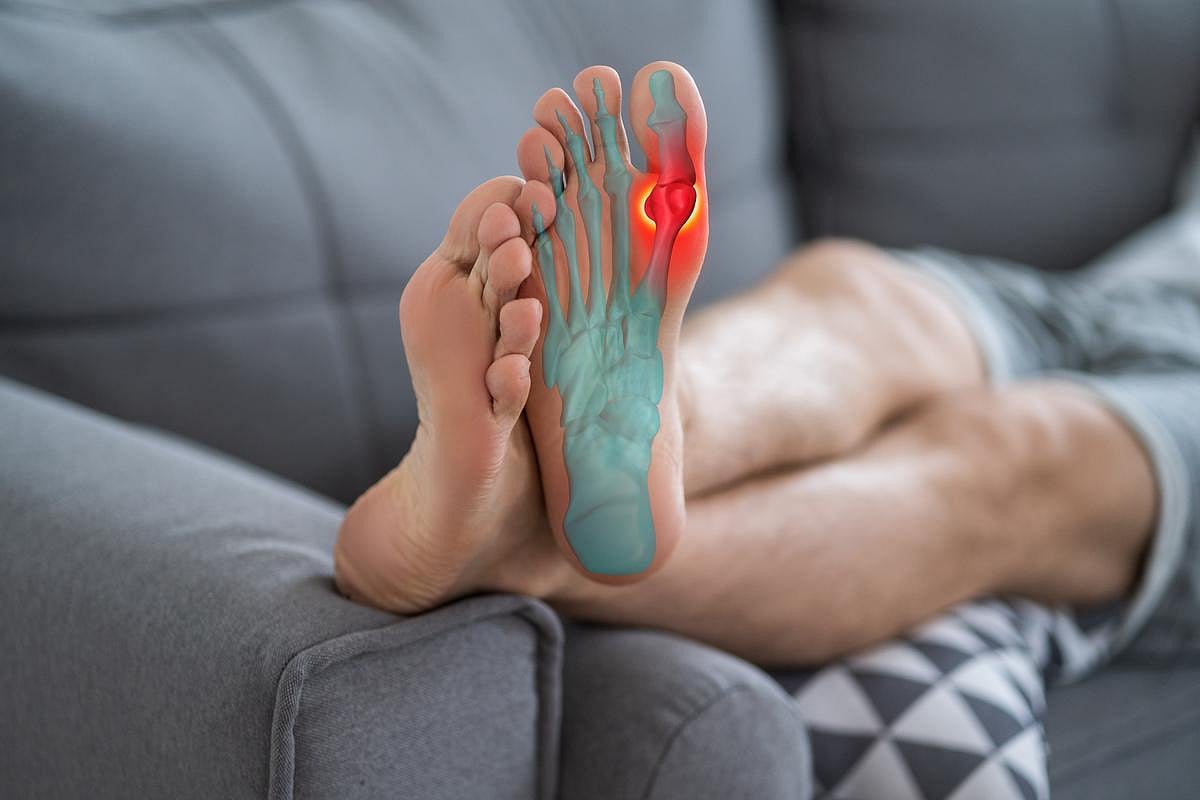 First Metatarsophalangeal Joint Arthrodesis Eases Painful Hallux Rigidus
  2005 to 2023 Saw Decrease in DXA Testing for Osteoporosis Screening
  Botox Helpful in Alleviating Chronic Migraine in Pediatric Patients
  Platelet-Rich Plasma, Shockwave Therapy Show Therapeutic Efficacy in Interstitial Cystitis




