


Delayed disease also tied to more severe hearing loss and greater contralateral endolymphatic hydrops
THURSDAY, Oct. 31, 2024 (HealthDay News) — Delayed Meniere disease (DMD) is associated with a higher prevalence of bilateral Meniere disease (MD) compared with classic MD (CMD), according to a study published online Oct. 15 in the European Archives of Oto-Rhino-Laryngology.
Suming Shi, from the Affiliated Eye and ENT Hospital at Fudan University in Shanghai, and colleagues investigated the clinical characteristics and endolymphatic hydrops manifestations in patients with DMD versus CMD. The analysis included 523 patients diagnosed with MD.
The researchers found that DMD prevalence was 6.1 percent. In DMD, bilateral MD was significantly more common (34.4 versus 14.5 percent). There was also more severe hearing loss in the first involved ear and more deteriorated vestibular-evoked myogenic potential in the contralateral ear among DMD patients. All affected ears had endolymphatic hydrops, with a higher contralateral endolymphatic hydrops proportion in DMD (34.4 versus 15.0 percent).
“DMD patients exhibit a higher prevalence of bilateral MD, more severe hearing loss, and greater contralateral endolymphatic hydrops compared to CMD patients,” the authors write. “Both subtypes share similar endolymphatic hydrops characteristics, suggesting common underlying mechanisms.”
Abstract/Full Text (subscription or payment may be required)
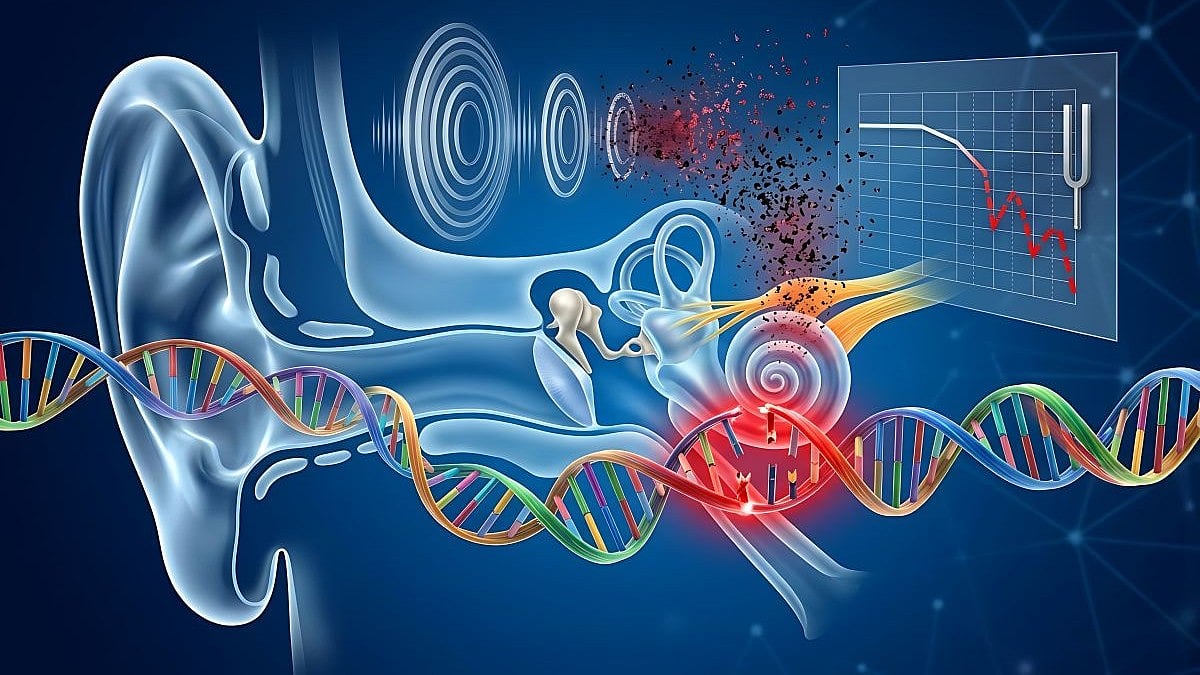 Genome-Wide Significant Loci Identified for Meniere Disease Risk
  Age, Hearing Status Linked to Long-Term Outcomes in Meniere Disease
  Vestibular Rehab Important for Acute Vertigo, Regardless of Delivery Mode
  Contralateral Endolymphatic Hydrops ID"d in One in Four Patients With Unilateral Meniere Disease
  Pre-Prostate Biopsy MRI Use Increased From 2017 to 2026
  PET/MRI Offers Diagnostic, Prognostic Value in Pediatric Epilepsy
  Voice Disorders Linked to Elevated Risk for Incident Cognitive Decline
  Brain Abnormalities Identified in Children at Risk for Schizophrenia


.jpg)

