Chronic pain, high-impact chronic pain prevalence increased with age; American Indian and Alaska Native non-Hispanic adults more likely to have chronic pain
THURSDAY, Nov. 21, 2024 (HealthDay News) — In 2023, 24.3 percent of U.S. adults had chronic pain in the previous three months, according to a November data brief published by the National Center for Health Statistics.
Jacqueline W. Lucas, M.P.H., and Inderbir Sohi, M.S.P.H., from the National Center for Health Statistics in Hyattsville, Maryland, used data from the 2023 National Health Interview Survey to provide updated percentages of adults who experienced chronic pain and high-impact chronic pain in the previous three months.
The researchers found that 24.3 percent of adults had chronic pain and 8.5 percent of adults had chronic pain that frequently limited life or work activities (high-impact chronic pain) in the previous three months in 2023. With age, both chronic pain and high-impact chronic pain increased. The likelihood of having chronic pain was significantly higher for American Indian and Alaska Native non-Hispanic adults versus Asian non-Hispanic and Hispanic adults (30.7 percent versus 11.8 and 17.1 percent, respectively). With decreasing urbanization level, there was an increase seen in the percentage of adults with chronic pain and high-impact chronic pain.
“Women were more likely than men to experience chronic pain,” the authors write. “Chronic pain was also generally higher in American Indian and Alaska Native adults and those age 65 and older. Similarly, high-impact chronic pain was higher in women, American Indian and Alaska Native adults, and those age 65 and older.”
 Physical Therapist-Supervised Exercise Improves Outcomes After ACL Reconstruction
  2013 to 2024 Saw Decrease in Benzodiazepine Prescribing
  2016 to 2024 Saw Increase in Patients Using Medical Cannabis
 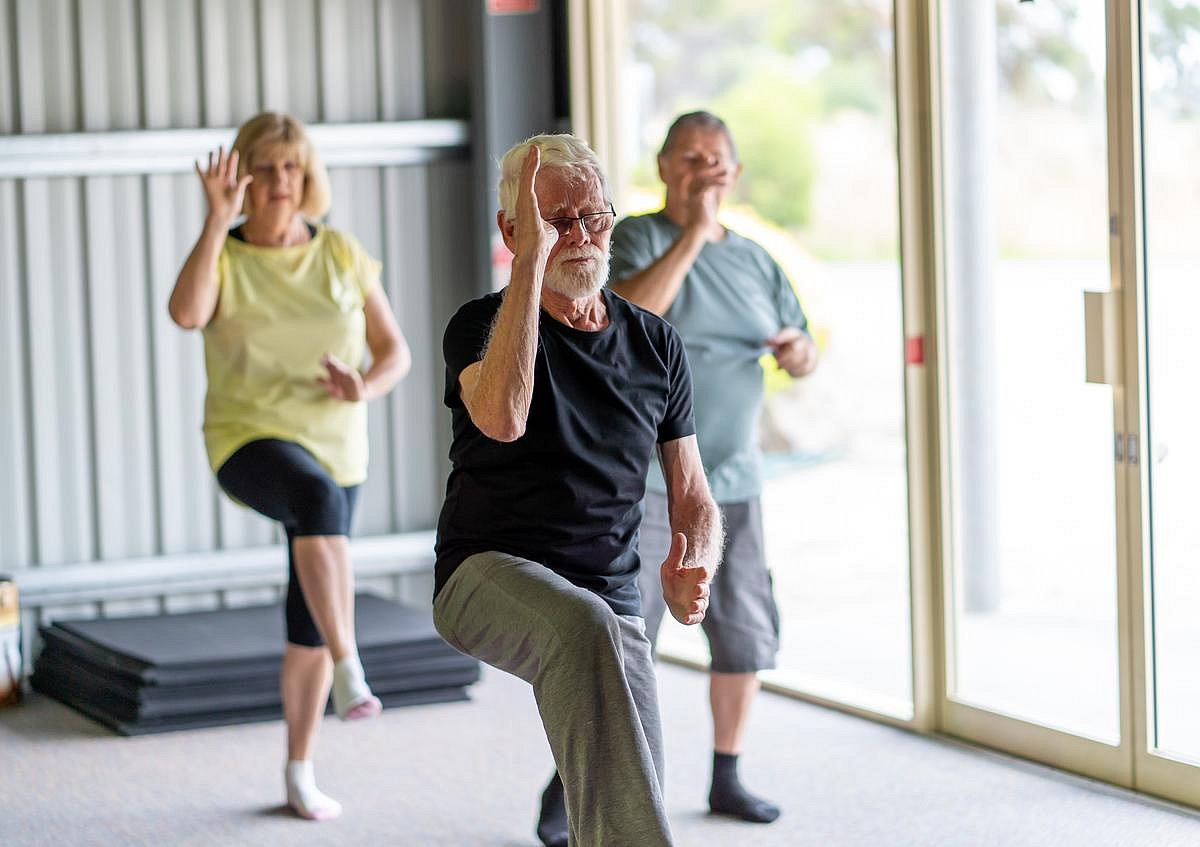 Mindfulness, Tai Chi May Benefit Cancer Survivors
 .jpg) Cancer Survivors Have Lower Levels of Physical Activity
Cancer Survivors Have Lower Levels of Physical Activity  Childhood Cancer Survivors Often Have Mental Distress in Adulthood
  Pharmacist-Led Med Review Improves Medication Quality in Older Patients With Cancer
 .jpg) Mortality Lowest at Hemoglobin Concentrations Above WHO Thresholds
Mortality Lowest at Hemoglobin Concentrations Above WHO Thresholds