Implementing AI-assisted screening tool enhances clinical trial efficiency, expedites screening process
MONDAY, Feb. 24, 2025 (HealthDay News) — Compared with manual screening, an artificial intelligence (AI)-assisted patient screening tool can improve the rate of eligibility determination and enrollment for randomized clinical trials, according to a research letter published online Feb. 17 in the Journal of the American Medical Association.
Ozan Unlu, M.D., from Mass General Brigham in Somerville, Massachusetts, and colleagues developed the Retrieval Augmented Generation Enabled Clinical Trial Infrastructure for Inclusion Exclusion Review (RECTIFIER) large language model tool and tested it in a prospective, blind, randomized clinical trial within the Mass General Brigham Health System. The trial was completed within an ongoing heart failure implementation trial and included 4,476 patients who were randomly assigned. The primary outcome was time to trial eligibility determination, which was assessed using a survival analysis framework.
The researchers found that compared with patients screened manually, patients screened with the AI-assisted method achieved the primary end point of eligibility determination significantly more quickly (subdistribution hazard ratio [HR], 1.78). The eligibility rate was 20.4 and 12.7 percent for the AI-assisted screening and manual screening methods, respectively. At the end of the trial, there were 35 and 19 enrollments (1.6 and 0.9 percent, respectively) using the AI-assisted screening and manual screening methods (subdistribution HR, 1.79).
“Implementing AI-assisted screening tools like RECTIFIER enhances clinical trial efficiency and expedites the screening and recruitment process, which may lead to faster trial completion and earlier access to novel therapies for patients,” the authors write.
Several authors disclosed ties to relevant organizations.
Abstract/Full Text (subscription or payment may be required)
 2005 to 2023 Saw More U.S. Women Never Screened for Cervical Cancer
 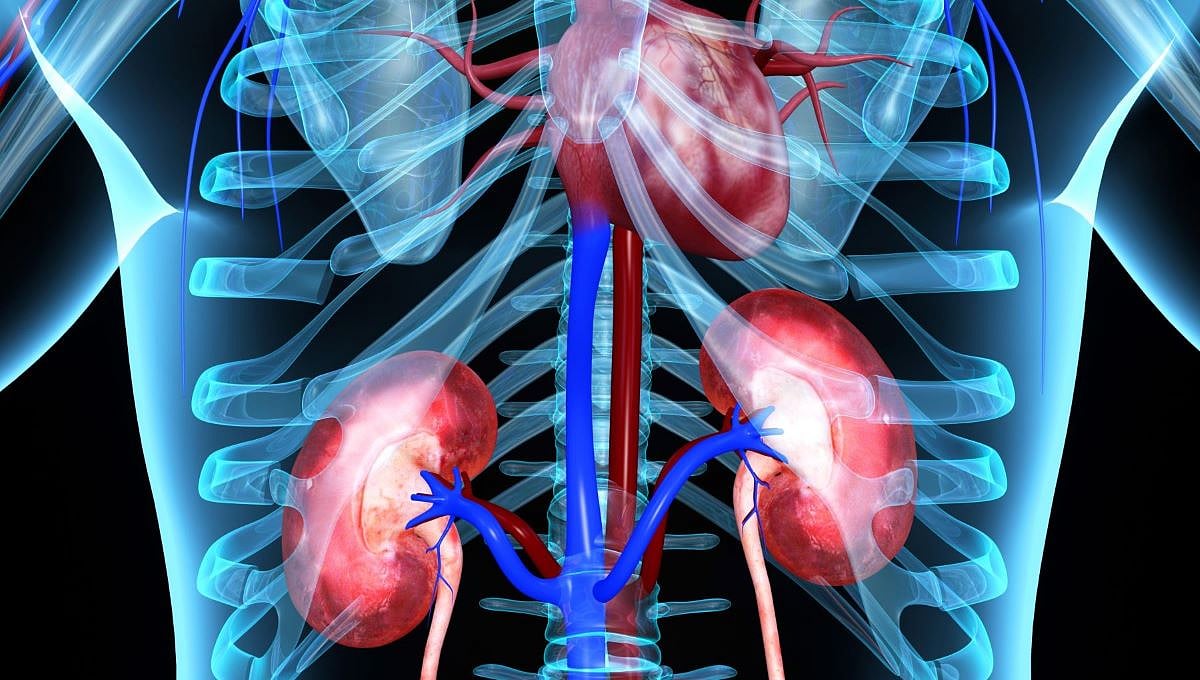 2011 to 2021 Saw Heart Failure-Related Hospitalization Rise in CKD
  Machine Learning Model IDs Heart Failure With Reduced Ejection Fraction Using Routine Lab Indicators
  Addition of CAC to PREVENT-ASCVD Equations May Improve Predictive Utility in Certain Patients
 .jpg) Warning Symptoms, Clinical History Can Predict Sudden Cardiac Arrest
Warning Symptoms, Clinical History Can Predict Sudden Cardiac Arrest .jpg) Micro-, Nanoplastics Detected More Often in Patients With STEMI
Micro-, Nanoplastics Detected More Often in Patients With STEMI  AI Can Accurately Detect Left Ventricular Dysfunction From Electrocardiograms
  Differences in Cardiovascular Risk Factor Prevalence ID"d for South Asian Adults