Findings independent of adiposity measures
THURSDAY, Feb. 27, 2025 (HealthDay News) — Higher adherence to the Mediterranean diet (MedDiet) is associated with a modest reduction in the risk for obesity-related cancers (ORCs), according to a study published online Feb. 25 in JAMA Network Open.
Inmaculada Aguilera-Buenosvinos, Ph.D., from the University of Navarra in Spain, and colleagues examined the association between adherence to the MedDiet and the risk for ORCs. The analysis included data from 450,111 participants (mean age, 51.1 years) in the European Prospective Investigation Into Cancer and Nutrition study.
The researchers found that during a median 14.9 years of follow-up, 4.9 percent of participants experienced an ORC (rates, 0.053, 0.049, and 0.043 per person-year in the low, medium, and high MedDiet adherence groups, respectively). Compared with low MedDiet adherence (0 to 3 points), participants with high adherence to the MedDiet (7 to 9 points) had a lower risk for ORC (hazard ratio, 0.94). A similar inverse association was seen for participants with medium adherence (4 to 6 points) compared with low adherence.
“Our mediation analysis did not show waist-to-hip ratio or body mass index as mediators between MedDiet and ORC risk, possibly due to the low prevalence of obesity in our cohort and the distinct contribution of general versus abdominal obesity to metabolic disruptions,” the authors write.
 Calorie Restriction and Mediterranean-Style Diet Yield Similar Weight Loss
  Strength Training May Cut GDM Risk in Pregnant Women With Overweight, Obesity
  Most Metabolic and Bariatric Surgery Candidates Meet Criteria for Clinical Obesity
  Central Adiposity Reclassifies Cardiovascular Risk Across BMI Spectrum
 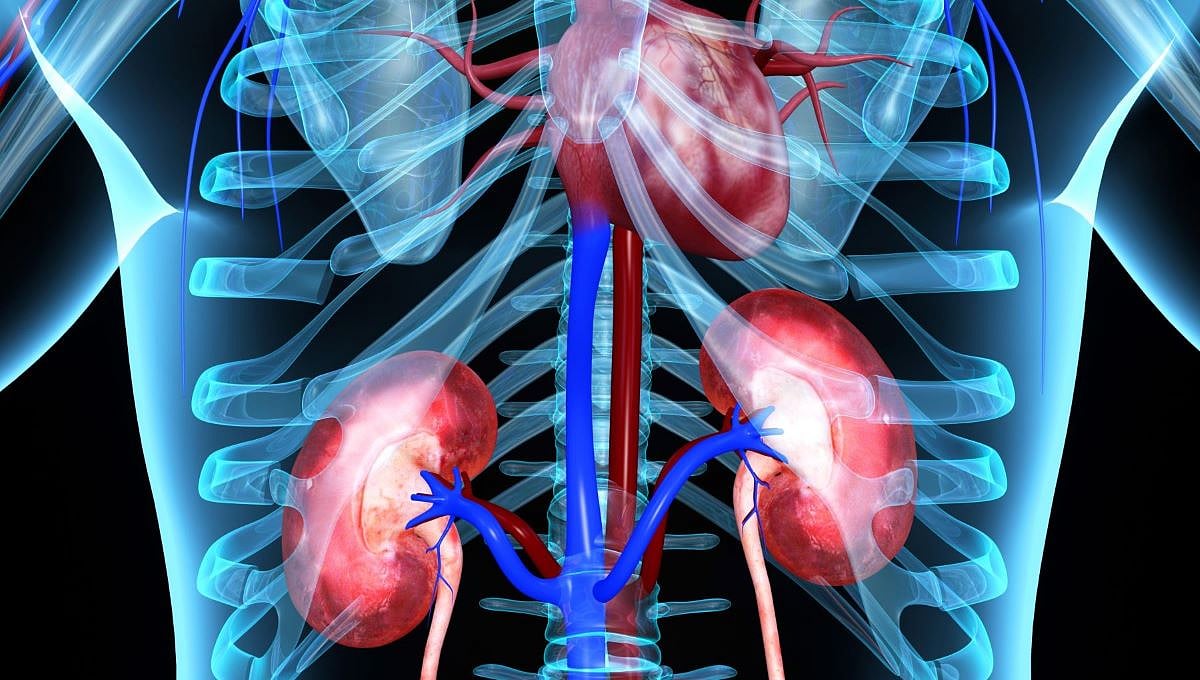 2011 to 2021 Saw Heart Failure-Related Hospitalization Rise in CKD
  Machine Learning Model IDs Heart Failure With Reduced Ejection Fraction Using Routine Lab Indicators
  Reinitiating Obesity Meds After Bariatric Surgery Tied to Greater One-Year Weight Loss in Youths
  High-Dose Omega-3 Linked to A-Fib Risk in Patients With High CVD Risk