Among adult patients with type 2 diabetes, CGM prescriptions less likely for those with non-English language preference
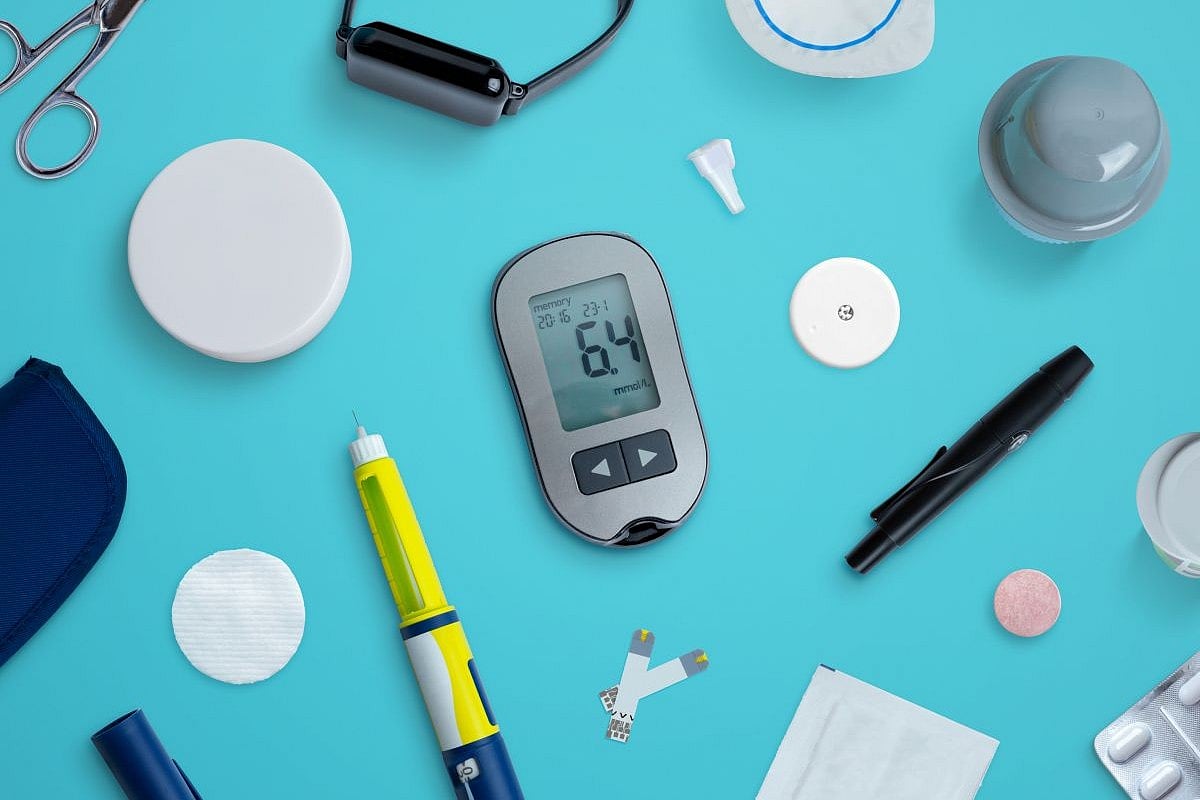
FRIDAY, June 27, 2025 (HealthDay News) — For patients with type 2 diabetes (T2D), disparities in continuous glucose monitor (CGM) prescriptions are seen by language preference, with less access to CGM prescriptions for adult patients with non-English language preference (NELP), according to a study published online June 17 in JAMA Network Open.
Jorge A. Rodriguez, M.D., from Brigham and Women”s Hospital in Boston, and colleagues compared CGM prescriptions between patients with NELP and patients with English language preference (ELP) in a cohort consisting of adults with T2D receiving primary care or endocrinology care from Jan. 1, 2022 to Dec. 31, 2023. Language preference was dichotomized as NELP or ELP according to the preferred language field on the electronic health record. The primary outcome was CGM prescription.
The study included 69,269 patients with T2D; 12.1 percent of the cohort consisted of patients with NELP. The researchers found that 12.2 percent of patients had at least one CGM prescription. Compared to patients with ELP, in unadjusted analyses, a lower proportion of patients with NELP had a CGM prescription (7.4 versus 12.7 percent). Furthermore, patients with NELP were significantly less likely to have a CGM prescription in adjusted analyses (adjusted odds ratio [aOR], 0.58). In sensitivity analyses of patients with uncontrolled diabetes (hemoglobin A1c >9 percent) and patients using insulin, this difference persisted (aORs, 0.59 and 0.70, respectively).
“Our study highlights the specific role of language preference in CGM prescribing patterns,” the authors write.
Several authors disclosed ties to industry; one author holds a related patent.
 Continuous Glucose Patterns May ID Cardiometabolic Risk Without Diabetes
  Study IDs Risk Factors for Ketoacidosis in Adults With T2D Receiving SGLT2 Inhibitors
  Genetics, Diabetes Tied to MASLD-Associated Cirrhosis Before Age 50
  Lower Breast, Cervical Cancer Screening Seen for Adults With Disabilities
  Dense Breast Notification Linked to Increase in Use of Supplemental Ultrasound
  Surveillance Colonoscopy at Five Years After Adenoma Removal Noninferior to Three Years
  Mammography Trials Yield Excess-Incidence Patterns Consistent With Low Overdiagnosis
  Family History of CRC Increases CRC Risk Similarly in IBD, General Population