


Improved maximum urinary flow rate and lower International Prostate Symptom Scores seen for adherent versus nonadherent patients
THURSDAY, Aug. 14, 2025 (HealthDay News) — In patients with benign prostatic hyperplasia (BPH), adherence to the Mediterranean diet (MedDiet) is associated with improved urinary function and reduced lower urinary tract symptoms (LUTS), according to a study published online July 6 in The Prostate.
İsa Dağlı, from the University of Health Sciences in Ankara, Turkey, and colleagues examined the impact of adherence to the MedDiet on uroflowmetry parameters and International Prostate Symptom Scores (IPSS) in patients presenting with LUTS in a prospective study involving 400 patients. The patients were divided into two groups: MedDiet-adherent (AMD) and nonadherent (NAMD; 193 and 207 patients, respectively). The Mediterranean Diet Adherence Screener (MEDAS) was used to assess adherence.
The researchers found that compared with patients in the NAMD group, patients in the AMD group exhibited a significantly higher maximum urinary flow rate (Qmax; 13.87 ± 0.21 versus 12.08 ± 0.19) and lower IPSS (median, 9 versus 17). There were no differences between the groups in average urinary flow rate, postvoid residual urine volumes, or body mass index. There were positive correlations between MEDAS scores and Qmax, while a strong negative correlation was seen between IPSS and MEDAS scores.
“Due to the observational nature of the study, these associations should be interpreted with caution. The MedDiet might offer a promising, noninvasive approach to managing BPH,” the authors write.
Abstract/Full Text (subscription or payment may be required)
 Very Low-Carb Diet Shows Greater Cardiometabolic Benefits Than Other Diets
  Calorie Restriction and Mediterranean-Style Diet Yield Similar Weight Loss
 .jpg) Tadalafil Linked to Glaucoma in Men With Lower Urinary Tract Symptoms
Tadalafil Linked to Glaucoma in Men With Lower Urinary Tract Symptoms  Platelet-Rich Plasma, Shockwave Therapy Show Therapeutic Efficacy in Interstitial Cystitis
 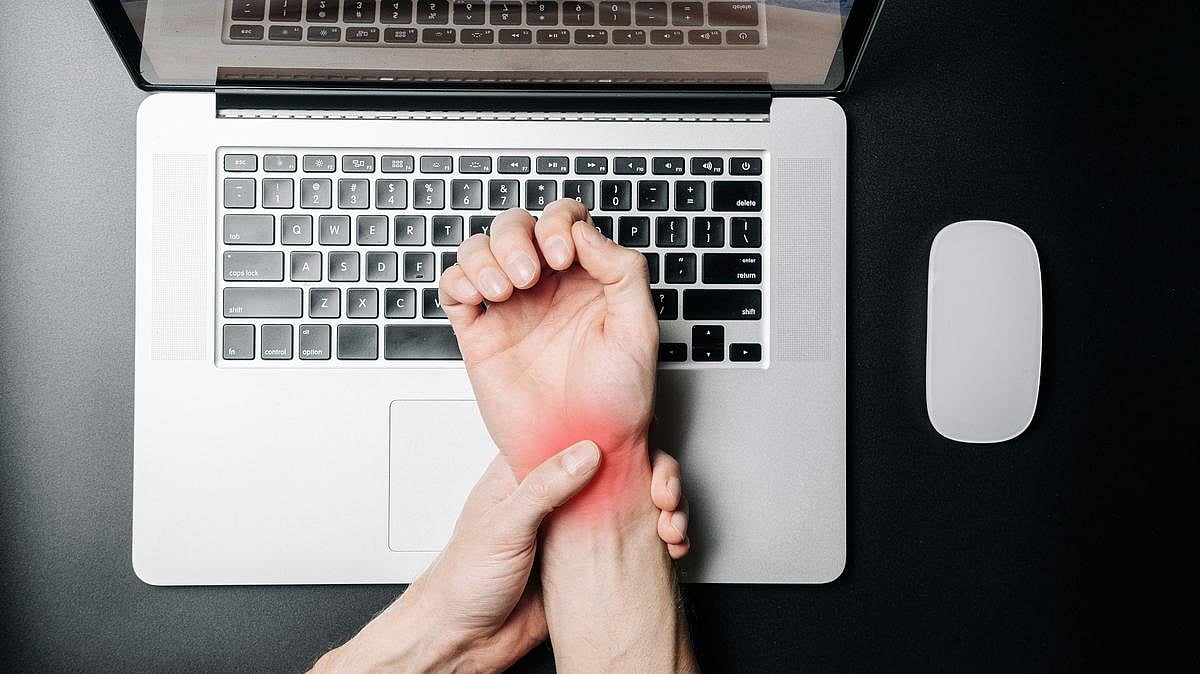 Ultrasound-Guided Hydrodissection Yields Improvements in Carpal Tunnel
  2013 to 2024 Saw Decrease in Benzodiazepine Prescribing
  Physical Therapist-Supervised Exercise Improves Outcomes After ACL Reconstruction
  2016 to 2024 Saw Increase in Patients Using Medical Cannabis


.jpg)

