


Smoking, high blood sugar, and other chronic conditions heighten risk
FRIDAY, Sept. 26, 2025 (HealthDay News) — People living with type 2 diabetes experience double the risk for incident sepsis versus matched individuals without diabetes, according to a study presented at the annual meeting of the European Association for the Study of Diabetes, held from Sept. 15 to 19 in Vienna.
Wendy Davis, Ph.D., M.P.H., from the University of Western Australia in Perth, and colleagues estimated the incidence of sepsis in a community-dwelling cohort of people with type 2 diabetes versus matched people without diabetes and explored associates of incident sepsis. The analysis included 1,430 participants with confirmed type 2 diabetes and 5,720 age-, sex-, and postcode-matched people without diabetes participating in the Fremantle Diabetes Study Phase II.
The researchers found that at baseline, 2.0 percent of participants with type 2 diabetes had a prior hospitalization for/with sepsis versus 0.8 percent of their matched counterparts. During 73,139 person-years of follow-up, 11.8 percent of participants with type 2 diabetes and 5.0 percent of people without diabetes had incident sepsis. There was a U-shaped relationship identified for the 10-year age-specific incident rates only for those with type 2 diabetes. The overall incident rate ratio was 2.38. In an adjusted analysis, type 2 diabetes remained significantly associated with a doubled risk for incident sepsis (hazard ratio, 2.16). Among those with type 2 diabetes, age, male sex, Aboriginal ancestry, current smoking, insulin use, fasting serum glucose, heart rate, distal symmetrical polyneuropathy, cerebrovascular disease, and logeNT-proBNP were significantly associated with incident sepsis.
“Our study, in a large community-based sample of adults, confirms a strong relationship even after adjustment for a number of potential risk factors and the competing risk of death from unrelated causes, which may have occurred in people at high risk of sepsis before they developed sepsis, thus leading to overestimation of the incidence of sepsis if ignored,” Davis said in a statement.
.jpg) Pregnancy Complications Linked to Subsequent Risk for Cardiometabolic-Renal Conditions
Pregnancy Complications Linked to Subsequent Risk for Cardiometabolic-Renal Conditions  GLP-1 Receptor Agonists, SGLT-2is Slow Renal Function Decline in T2D With Albuminuria
 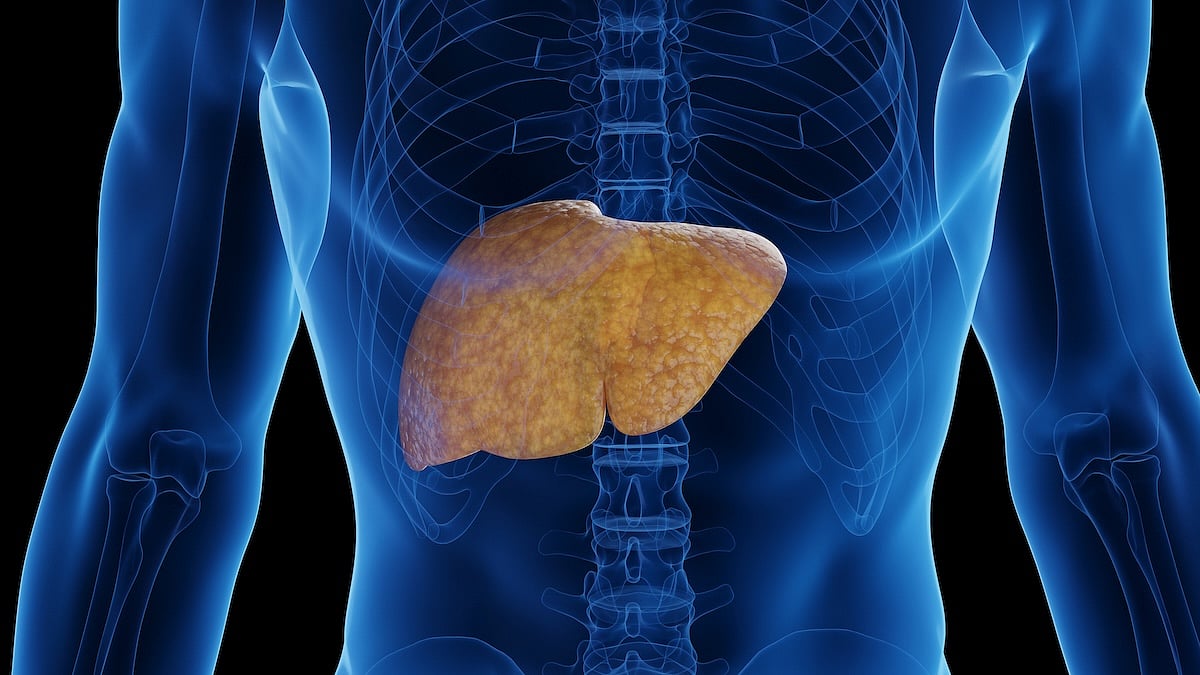 Genetics, Diabetes Tied to MASLD-Associated Cirrhosis Before Age 50
  Study IDs Risk Factors for Ketoacidosis in Adults With T2D Receiving SGLT2 Inhibitors
 .jpg) Most Specialty Oral Anticancer Meds for Blood Cancers Are Initially Rejected by Insurers
Most Specialty Oral Anticancer Meds for Blood Cancers Are Initially Rejected by Insurers  Drug Interactions Reducing Contraceptive Effectiveness Common in Epilepsy
  Holding DMARDs at Time of COVID-19 Vaccine Not Warranted in Those With Inflammatory Arthritis
  1 in 3 With Lupus Take Supplements, Medications With Potential for Interactions


