



High temperature burden increased from 2,670 annual deaths during 2000 to 2009 to 4,091 deaths during 2010 to 2020
FRIDAY, Nov. 14, 2025 (HealthDay News) — Both low and high temperatures are associated with mortality in the contiguous United States, according to a study published online Nov. 7 in JAMA Network Open.
Lingzhi Chu, Ph.D., from the Yale School of Public Health in New Haven, Connecticut, and colleagues examined the mortality burden associated with heat and cold in the United States from 2000 to 2020 in a case series, which assessed deaths records for all contiguous U.S. counties. The study used two-stage modeling, including a case-crossover design with county-specific conditional logistic regression of mortality on daily mean temperature and pooling the estimates by metaregression. The analyses included 54,223,429 deceased individuals.
The researchers found associations for both low and high temperatures with increased odds of death within 0 to six days. Temperatures at the 5th and 95th percentiles were associated with odds ratios of 1.057 and 1.011 compared with the minimum mortality temperature. The excess annual deaths due to low and high temperatures were estimated at 45,992 and 3,414, respectively, with regional variation seen; the high temperature burden increased from 2,670 annual deaths during 2000 to 2009 to 4,091 deaths during 2010 to 2020. There was heterogeneity by cause of death, age, sex, and marital status.
“The pattern of increasing nonoptimal temperature-related mortality over time, coupled with regional heterogeneity, emphasizes the urgent need for targeted public health interventions and improved public health preparedness,” the authors write.
 Air Pollution Does Not Impair Benefits of Walking in Reducing COPD Exacerbation Rate
  Nearly 3 in 4 Older Adults Express Interest in Vaccine to Prevent Dementia
  People With Autism Have Shorter Life Expectancy
  Freshwater Swimming Tied to Stomach Bugs, Skin Conditions
 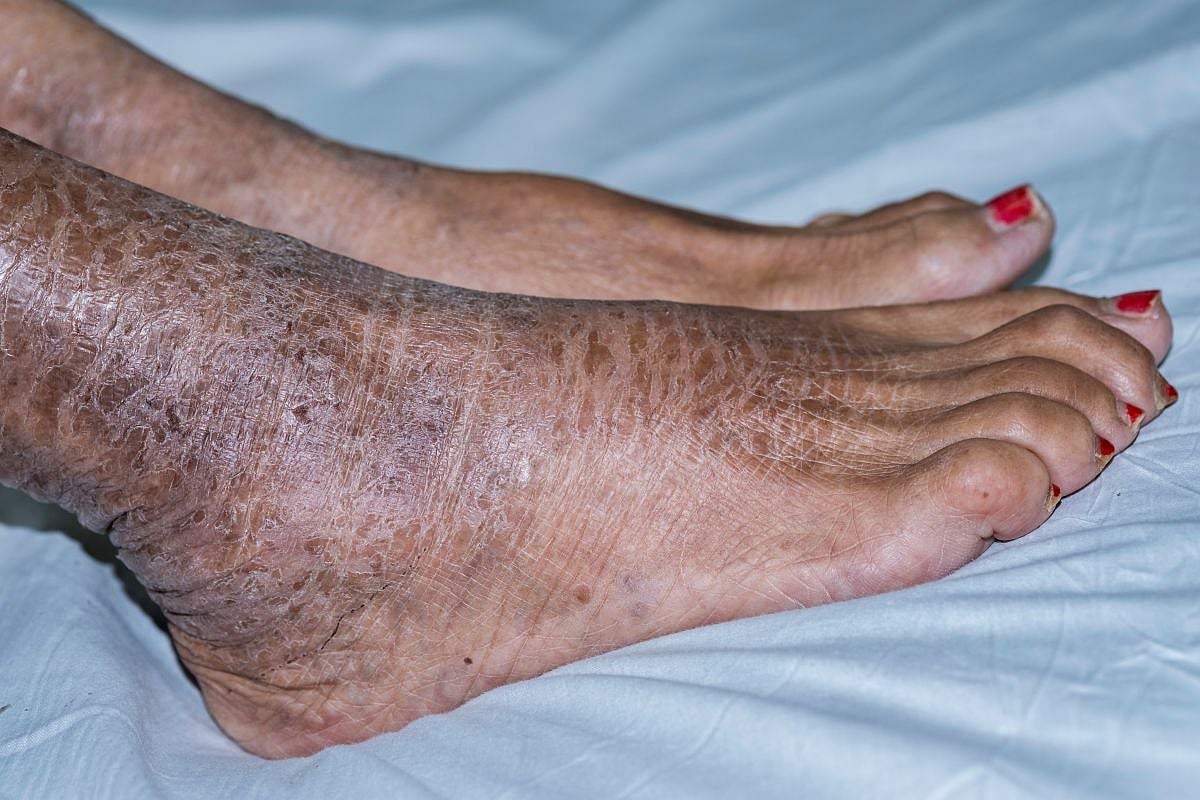 Congenital Ichthyosis Linked to Allergic Disorders
  H. Pylori Exposure May Contribute to Global Burden of Colorectal Cancer
  Distinct Skin Microbiome Features Emerge Before Atopic Disease Onset in Infants
  About 1 in 20 Hospitalized U.S. Adults With Firearm Injuries Develop Bacterial Infections


.jpg)

