


More pronounced protective effect seen for severe cases
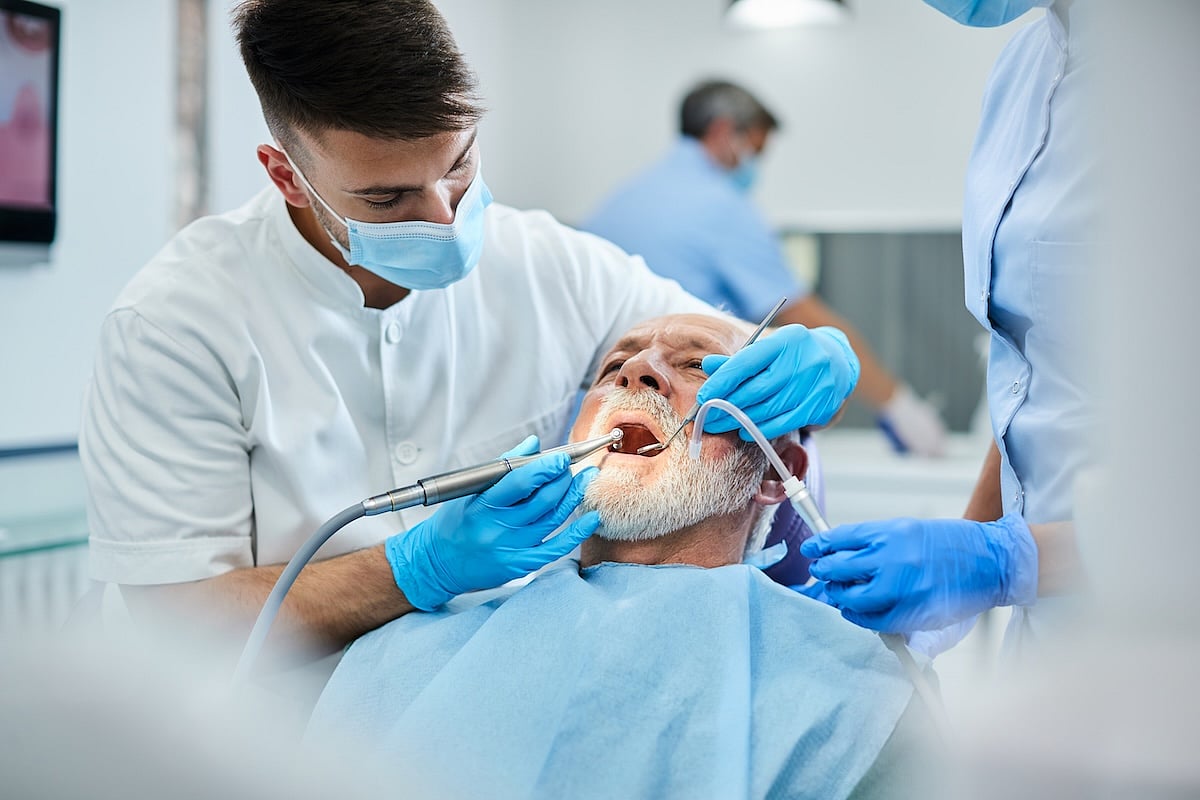
THURSDAY, Nov. 20, 2025 (HealthDay News) — Antidepressant use is linked to a lower prevalence of periodontitis, according to a study published online Oct. 29 in the Journal of Periodontology.
María Martínez, from University Complutense in Madrid, and colleagues investigated the association between antidepressant use and the prevalence of periodontitis (according to American Academy of Pediatrics/Centers for Disease Control and Prevention classification) among 9,839 participants in the U.S. National Health and Nutrition Examination Survey (2009 to 2014).
The researchers found that the overall prevalence of periodontitis was 35.3 percent for moderate and 11.1 percent for severe cases, with antidepressant use associated with reduced odds of developing periodontitis across most definitions. This association was particularly strong for severe cases (advanced periodontitis [stages III to IV]: adjusted odds ratio, 0.68; severe periodontitis: odds ratio, 0.41).
“We have known for a long time that depression and gum disease can influence each other,” Ana Becil Giglio, president of American Academy of Periodontology, said in a statement. “This study adds an intriguing new layer, suggesting that antidepressant use may help protect against severe forms of periodontal disease.”
 Better Youth Fitness May Lower Risk for Depression in Adulthood
 .jpg) Pregnancy Complications Linked to Subsequent Risk for Cardiometabolic-Renal Conditions
Pregnancy Complications Linked to Subsequent Risk for Cardiometabolic-Renal Conditions  Childhood Cancer Survivors Often Have Mental Distress in Adulthood
  Insomnia Linked to Increased Risk for Stroke, Odds of Admission
  Lower Cognitive Functioning During 60s Linked to Subsequent Stroke Risk
  Increased Dementia Risk Seen After Transient Ischemic Attack
  Incidence of Stroke Increasing Among Young Adults
  Reducing Ultraprocessed Food May Alleviate Symptoms of Depression


.jpg)

