


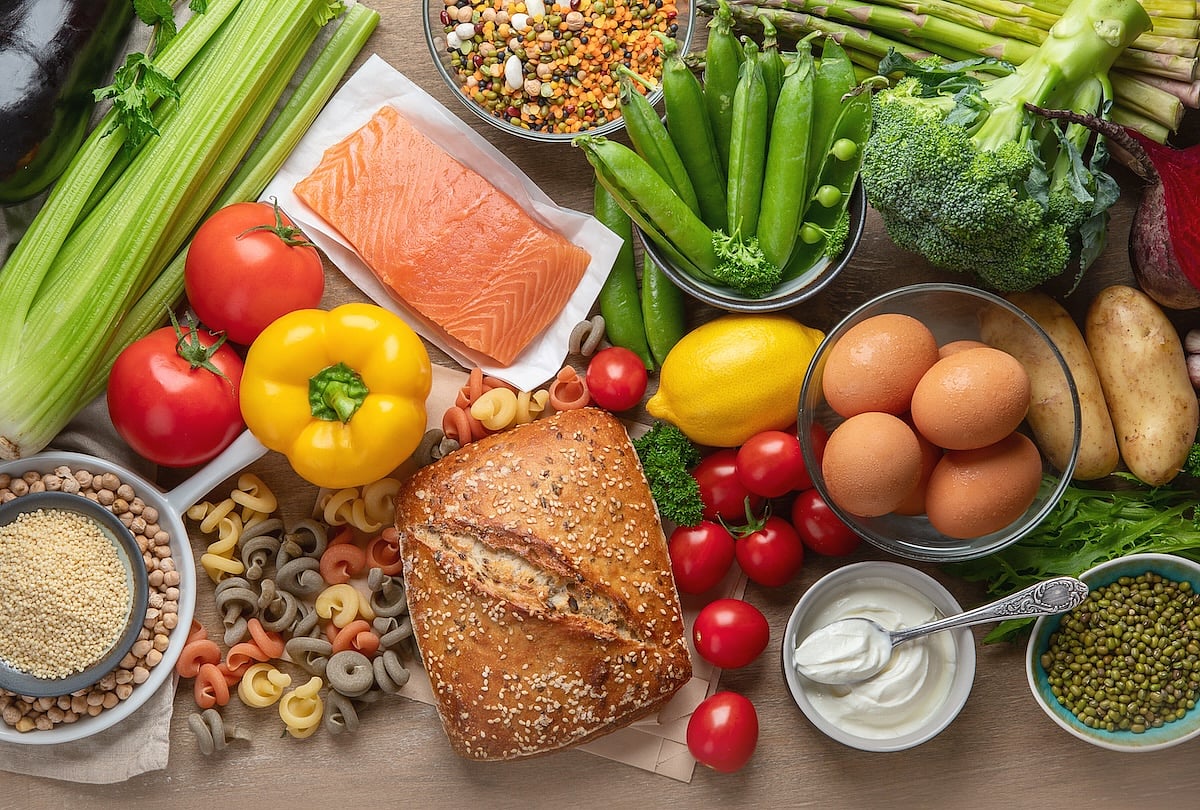
With the unprocessed diet, participants preferentially chose low-energy-dense components, creating meals lower in energy, larger in mass
THURSDAY, Jan. 22, 2026 (HealthDay News) — Unprocessed meals may reduce energy intake by having a less balanced carbohydrate-fat intake and by balancing calorie consumption with micronutrient consumption, according to a study published online Dec. 29 in the American Journal of Clinical Nutrition.
Jeffrey M. Brunstrom, Ph.D., from the University of Bristol in the United Kingdom, and colleagues conducted a post-hoc assessment to examine whether participants select meal components with specific nutritional characteristics and how this affects energy intake in a study involving 20 weight-stable adults. Participants received an ad libitum ultraprocessed or unprocessed diet for two weeks followed by the alternate diet.
The researchers found that participants selected components with a less-equal blend of energy from carbohydrate and fat with the unprocessed diet, forming meals that had a lower blend index (less balanced) than ultraprocessed meals. Participants preferentially chose low-energy-dense components (mostly fruits and vegetables) with the unprocessed diet, creating meals lower in energy, but significantly larger by mass (57 percent). Observed energy intakes were significantly predicted by low-energy-dense mass and blend index.
“Overeating is not necessarily the core problem. Indeed, our research clearly demonstrated consumers on a wholefood diet actually ate far more than those on a processed food one,” Brunstrom said in a statement. “But the nutritional make-up of food is influencing choices and it seems that ultraprocessed foods are nudging people towards higher calorie options, which even in much lower quantities are likely to result in excess energy intake and in turn fuel obesity.”
 2018 to 2025 Saw Sharp Rise in Postpartum GLP-1 Receptor Agonist Use
  Recommendations Issued for Use of Incretin-Based Meds in Pregnancy
 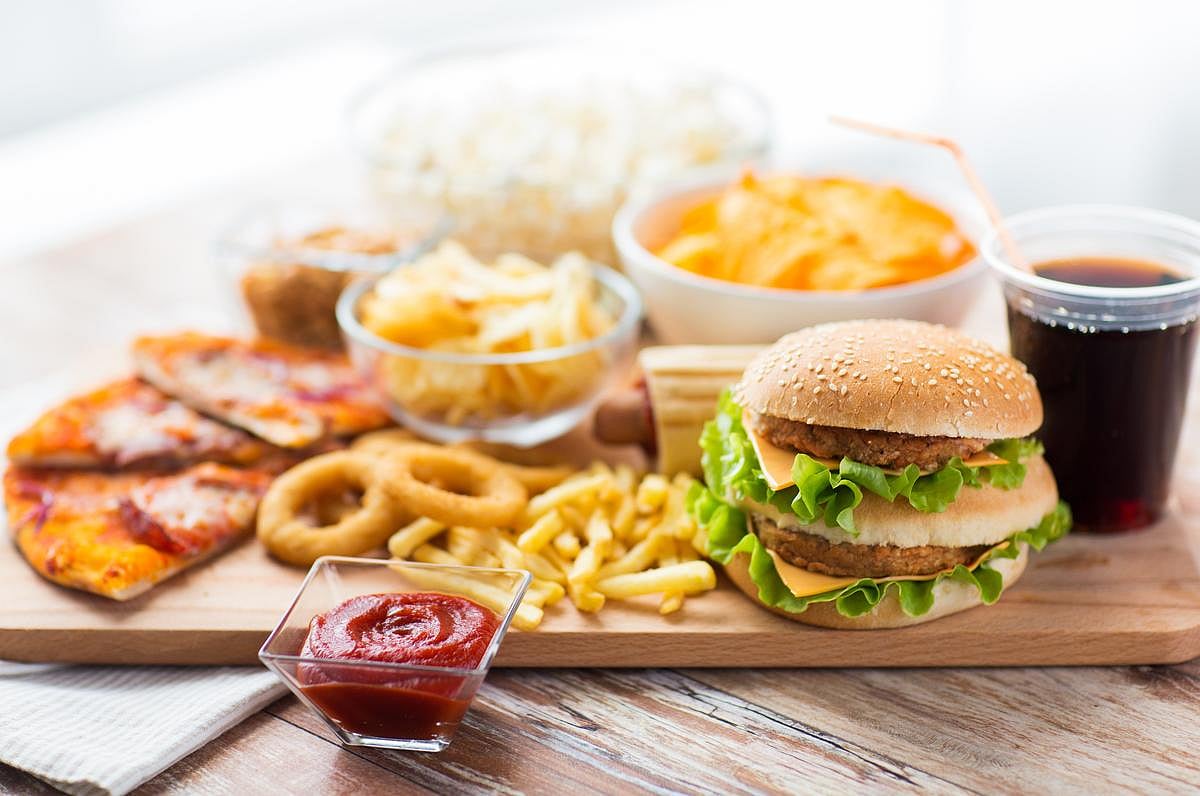 Eating More Ultraprocessed Foods Heightens Risk for Chronic Diseases
  Nutritional Deficiencies Seen in Youth Taking GLP-1 Receptor Agonists
 .jpg) Considerable Gaps Reported in Care for Youth With Opioid Use Disorder
Considerable Gaps Reported in Care for Youth With Opioid Use Disorder .jpg) Mortality Lowest at Hemoglobin Concentrations Above WHO Thresholds
Mortality Lowest at Hemoglobin Concentrations Above WHO Thresholds  Oral Vitamin C Active in Clonal Cytopenia of Undetermined Significance
  2009 to 2023 Saw Surge in Probiotic Supplement Use


.jpg)

