


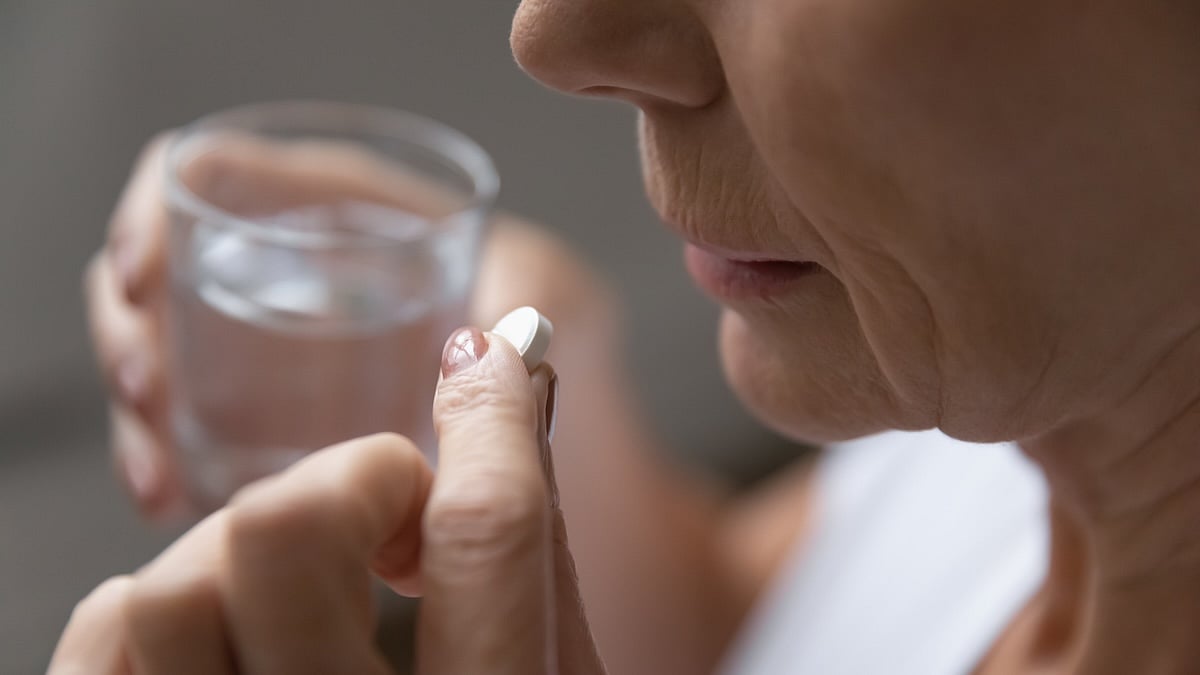
MHT use linked to significantly lower odds of clinical dementia diagnoses and symptoms of memory/functional decline
THURSDAY, Aug. 13, 2026 (HealthDay News) — Menopausal hormone therapy (MHT) use is associated with Alzheimer disease (AD)-related neuropathologic and clinical outcomes, according to a study published online Aug. 12 in Neurology.
Jennifer Bruno, Ph.D., from Stanford University in California, and colleagues examined the association between estrogen-only MHT use and dementia outcomes in female participants from the National Alzheimer”s Coordinating Center (NACC) and Alzheimer”s Disease Neuroimaging Initiative (ADNI). Participants were women aged 50 years or older with self-reported use of estrogen-only MHT or no self-reported MHT use (258 users and 2,701 nonusers from NACC and 110 users and 1,948 nonusers from the ADNI cohort).
The researchers found that relative to nonusers, MHT users had significantly lower odds of increased AD pathology on autopsy (primary outcome; odds ratio, 0.65). There were associations seen for MHT use with secondary outcomes, including significantly reduced amyloid pathologic load assessed via plasma and cerebrospinal fluid (β = 0.44 and 0.07, respectively). Significantly lower odds of clinical dementia diagnoses and lower odds of symptoms of memory/functional decline were seen in association with MHT use (odds ratios, 0.61 and 0.67, respectively).
“MHT appears to exert a modest but meaningful and statistically significant protective effect on the risk of developing Alzheimer”s pathology,” Bruno said in a statement. “While this is by no means more powerful than such very well-known factors as age, possession of the genetic variant [known] as APOE4. or a history of hypertension, it”s nonetheless quite a consistent effect, spanning multiple Alzheimer”s-related outcomes.”
Abstract/Full Text (subscription or payment may be required)
 Oral Menopausal Hormone Therapy Linked to Venous Thromboembolic Risk
  Lower Cognitive Functioning During 60s Linked to Subsequent Stroke Risk
  Insomnia Linked to Increased Risk for Stroke, Odds of Admission
  Increased Dementia Risk Seen After Transient Ischemic Attack
  Incidence of Stroke Increasing Among Young Adults
  Nearly 3 in 4 Older Adults Express Interest in Vaccine to Prevent Dementia
  Voice Disorders Linked to Elevated Risk for Incident Cognitive Decline
  Risk for Ischemic Stroke Increased After Cancer Diagnosis
 .jpg)




