


Clinicians may not always agree on identifying common signs of pneumonia, like wheezing and retractions
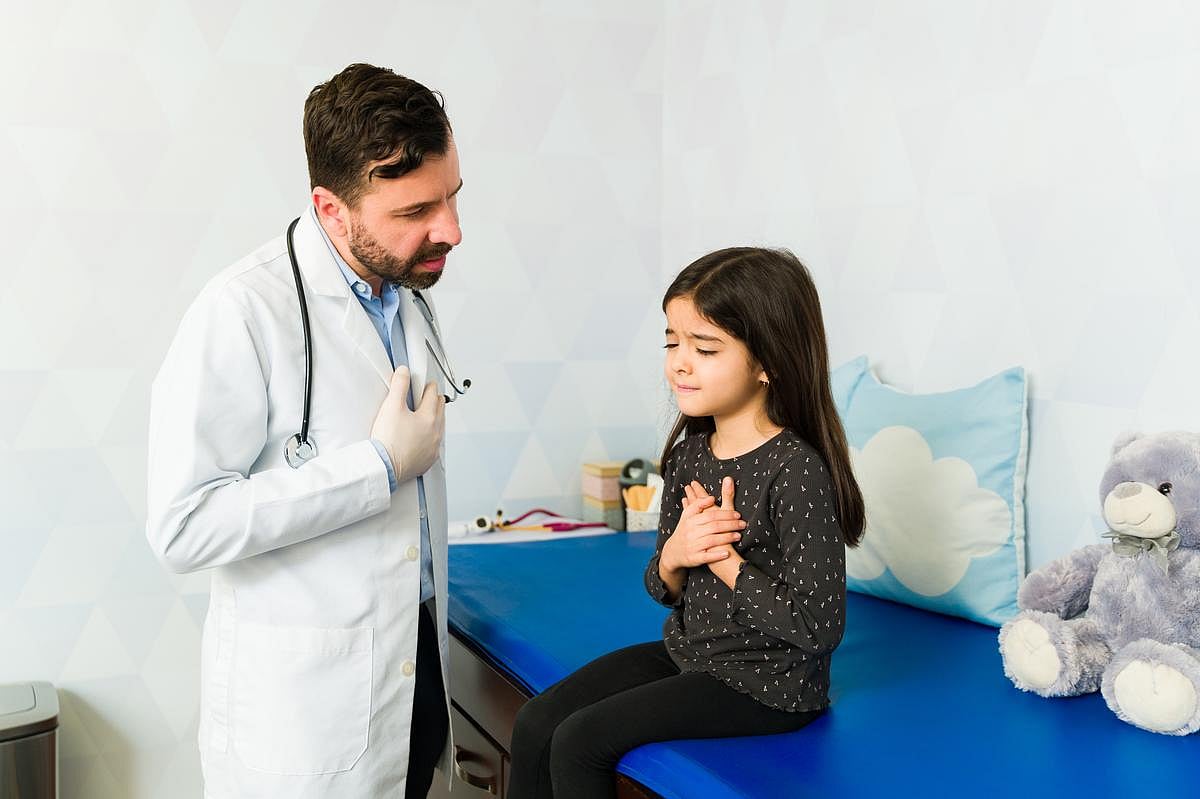
TUESDAY, Aug. 25, 2026 (HealthDay News) — Clinicians may not agree on physical exam findings for youth with community-acquired pneumonia (CAP), according to a study published online Aug. 20 in JAMA Network Open.
Shubhada Hooli, M.D., from Texas Children”s Hospital and Baylor College of Medicine in Houston, and colleagues examined the interrater reliability (IRR) of physical examination findings in youth diagnosed with CAP. The analysis included 252 youth (aged 3 months to 17 years) with CAP.
The researchers found that no physical examination finding met predefined significance for IRR. The highest IRR was seen for wheezing (κ = 0.50) and retractions (κ = 0.49). IRRs of physical examinations were similar for youth discharged home and those who were hospitalized.
“Doctors rely heavily on what they hear when listening to a child”s lungs, but our study shows that two doctors can examine the same child and come away with different findings,” senior author Todd Florin, M.D., from the Northwestern University Feinberg School of Medicine in Chicago, said in a statement. “This can make diagnosing pneumonia challenging and points to the need for better tools to help us make these decisions.”
 2013 to 2024 Saw Decrease in Benzodiazepine Prescribing
  Pediatricians Report Immigrant Families Avoiding Care for Their Children
  Psychiatrists Only Agree 55 Percent of the Time on Diagnoses
  Napping Opportunity May Improve Clinical Performance of Anesthesia Residents
  Socioeconomic Status Linked to Mortality After Acute Hip Fracture Surgery
  People Using Illicitly Sourced Fentanyl Face Worse Outcomes Than Medically Sourced Users
  Data Reveal No Hypersensitivity Due to Axillary Brachial Plexus Block Alone
  Tranexamic Acid Yields Lower Incidence of Red-Cell Transfusion in Noncardiac Surgery
 .jpg)




