


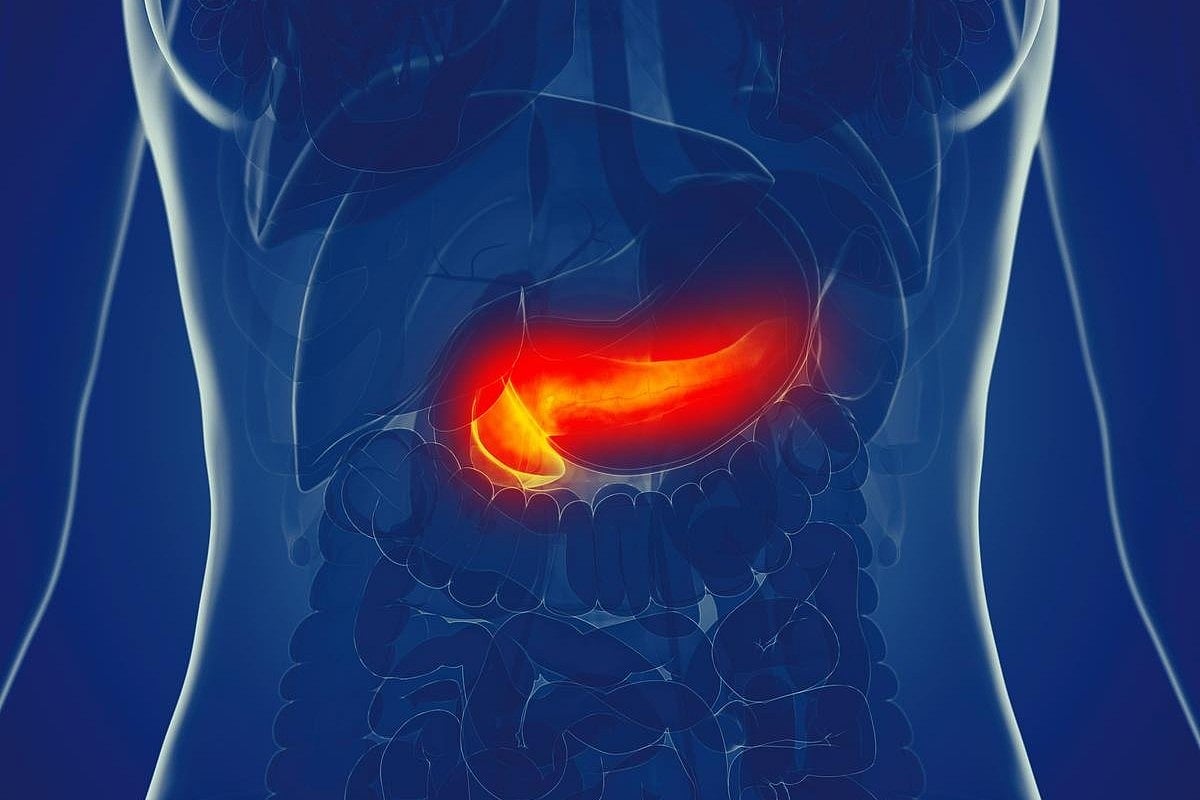
All patients recommended to undergo multidisciplinary evaluation and decision-making
WEDNESDAY, Sept. 2, 2026 (HealthDay News) — Updated recommendations are presented for the use of radiation therapy (RT) in pancreatic cancer in a clinical practice guideline issued by the American Society for Radiation Oncology and published online Aug. 11 in Practical Radiation Oncology.
Michael D. Chuong, M.D., from the Baptist Health Herbert Wertheim Cancer Institute in Miami, and colleagues addressed four key questions relating to RT use for treatment of pancreatic cancer in a variety of clinical settings.
According to the guideline, all patients are recommended to undergo multidisciplinary evaluation and decision-making. RT is conditionally recommended in the preoperative and postoperative settings for resectable disease for patients with nonmetastatic pancreatic cancer. For borderline resectable disease, RT is recommended preoperatively; in the locally advanced setting, it is recommended definitively. Conventional fractionation or moderate hypofractionation is recommended for preoperative RT, and conventional fractionation is recommended for postoperative RT. Conventional fractionation is appropriate in the definitive setting; emerging evidence supports dose escalation using stereotactic body radiation therapy or moderate hypofractionation. For preoperative, postoperative, and definitive RT, elective coverage of at-risk anatomic regions is recommended. RT is recommended for patients without prior RT in the locally recurrent setting and conditionally recommended for those who have previously received RT. For patients with bleeding, pain, and obstruction, palliative RT is recommended. RT is conditionally recommended to metastatic lesions and the primary tumor if not previously treated with definitive local therapy in patients with oligometastatic and oligoprogressive pancreatic cancer.
“Pancreatic cancer requires coordinated, multidisciplinary care because treatment decisions depend heavily on whether a tumor can be removed surgically and how the cancer responds to chemotherapy,” Chuong said in a statement.
Several authors disclosed ties to the biopharmaceutical industry.
.jpg) Composite Biomarker Helps ID Early-Stage Pancreatic Ductal Adenocarcinoma
Composite Biomarker Helps ID Early-Stage Pancreatic Ductal Adenocarcinoma  ASTRO Issues Guidance for Use of Radiation Therapy in Bladder Cancer
  Thymic Radiation Linked to Worse Outcomes in Patients With NSCLC
  Aircrew Face Higher Odds of Radiation-Related Cancer Deaths
 .jpg) Most Specialty Oral Anticancer Meds for Blood Cancers Are Initially Rejected by Insurers
Most Specialty Oral Anticancer Meds for Blood Cancers Are Initially Rejected by Insurers  Personalized Support Boosts Families" Genetic Testing for Hereditary Cancers
 .jpg) Cancer Survivors Have Lower Levels of Physical Activity
Cancer Survivors Have Lower Levels of Physical Activity  Pharmacist-Led Med Review Improves Medication Quality in Older Patients With Cancer



