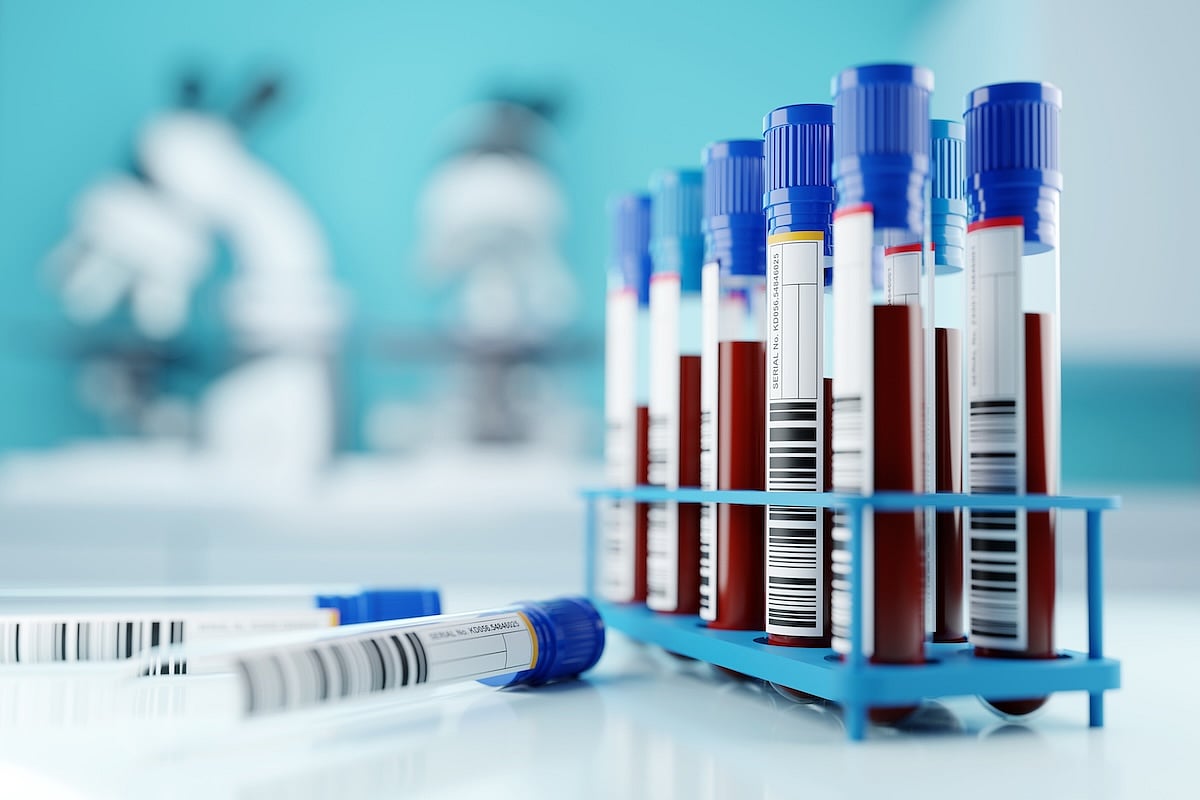
Advisers split on whether Galleri, which screens for more than 50 cancers, catches disease early enough to save lives
THURSDAY, Sept. 24, 2026 (HealthDay News) — A blood test that aims to catch more than 50 types of cancer before symptoms appear narrowly won the backing of U.S. Food and Drug Administration (FDA) advisers Wednesday, even as several doubted it works.
The test, called Galleri, looks for bits of DNA in the blood that may signal cancer. Its maker, Grail, says it can spot cancers of the stomach, bladder, colon, skin and breast, among others, reports The Washington Post.
Galleri has been sold in the United States since 2021 without FDA approval and costs nearly $1,000. Grail applied for approval in February and says the test, meant for adults 50 and older, shouldn”t replace standard screenings.
The FDA”s 10-member advisory committee declared in a 6-4 vote that the test is effective.
On whether its benefits outweigh its risks, members voted 7-2, with one abstention. All agreed it”s safe.
Some members said finding cancers that have no screening option today made the test worth backing, but others voted yes with open reservations, The Post reported.
“If we can find more Stage 1 or more early-stage cancers in a population that we can”t screen for currently, then that will end up having benefit,” said committee member Dr. Victor van Berkel, division chief of thoracic surgery at the University of Louisville in Kentucky. “But I don”t know that that”s been proven yet. So perhaps my “yes” is a hopeful [vote] rather than an accurate one.”
Much of that doubt traces to a trial with England’s National Health Service (NHS) involving more than 140,000 people.
The trial”s main goal was to lower the rate of stage 3 and 4 diagnoses across 12 cancers. It didn”t, Grail announced earlier this year.
Other research paints a more hopeful picture. In a Grail-funded study published Sept. 22 in Nature Medicine, researchers tested more than 32,000 adults 50 and older with no signs of cancer.
About 6 in 10 people who got a positive result turned out to have cancer. More than half of the new cancers the test caught were early stage, and most were types that have no routine screening.
Dr. William Dahut, chief scientific officer of the American Cancer Society, told the committee that testing for many cancers at once is more efficient than building a separate test for each one.
“No screening test is perfect,” he said. “… but if we sit in a room for the next 20 years trying to find the perfect test, we have a large possibility we”re going to lead to more cancer deaths.”
Dr. Emil Lou, an oncologist at the University of Minnesota, warned that the test can still raise false alarms, which may lead to stress and needless procedures. It can also miss cancers, giving people false comfort, he said.
Dr. Scott Ramsey, a researcher at Fred Hutchinson Cancer Center in Seattle, said the NHS results call the test”s early-detection value into question.
 Mindfulness, Tai Chi May Benefit Cancer Survivors
 .jpg) Mortality Lowest at Hemoglobin Concentrations Above WHO Thresholds
Mortality Lowest at Hemoglobin Concentrations Above WHO Thresholds  Structured Exercise Should Be Considered as Adjunct Therapy for Cancer
  AACR Annual Report Highlights Progress in Cancer Research
  Relapse Rare After Appendiceal Adenocarcinoma Resection
  Cancer Drug Shortages Persist at All Cancer Centers
  Risk for Ischemic Stroke Increased After Cancer Diagnosis