Combined tobacco and e-cigarette exposure linked to increase in activity-related symptoms, nighttime symptoms, albuterol use
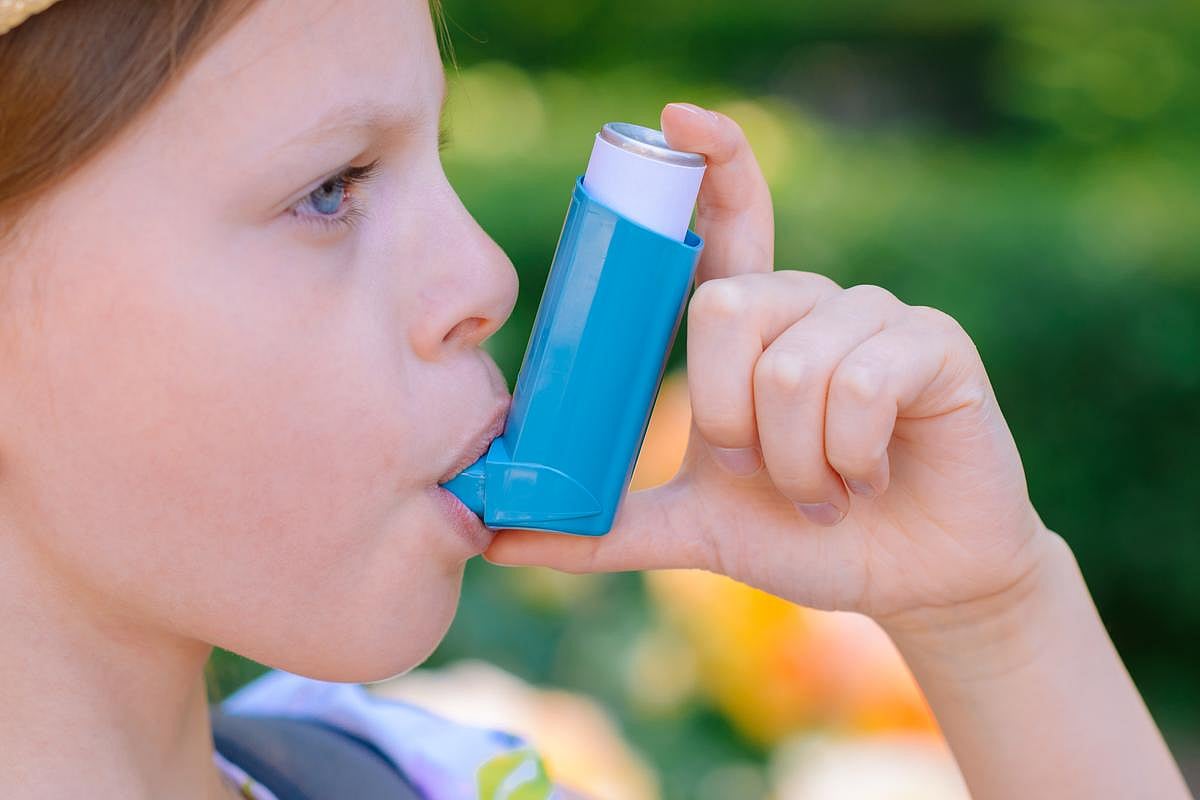
FRIDAY, Oct. 2, 2026 (HealthDay News) — Electronic cigarette (e-cigarette) and household tobacco use are associated with worse parent-reported asthma control among children with asthma, according to a study presented at the annual American Academy of Pediatrics National Conference & Exhibition, held from Oct. 2 to 6 in San Diego.
Brian Jenssen, M.D., from the Children”s Hospital of Philadelphia, and colleagues conducted a cross-sectional study using electronic health record data from an urban primary care network to examine associations between parent-reported household tobacco and e-cigarette use and parent-reported asthma control among children with asthma.
Data were included for 48,118 encounters; household use of tobacco and e-cigarettes, tobacco only, and e-cigarettes only was reported in 5, 9, and 3 percent of encounters, respectively. The researchers found that combined tobacco and e-cigarette exposure was associated with activity-related symptoms, nighttime symptoms, and albuterol use (adjusted odds ratios, 1.3, 1.3, and 1.2, respectively) and with worse parent ratings of asthma control, lower parental comfort with asthma management, hospital admissions in the past year, and both poorly controlled and uncontrolled asthma status (adjusted odds ratios, 1.3, 1.3, 1.2, and 1.1 and 1.4, respectively), after adjustment for covariates. More asthma flares and activity-related symptoms were seen in association with e-cigarette-only exposure (adjusted odds ratios, 1.3 and 1.4, respectively), comparable to or exceeding combined exposure. More modest but significant associations across multiple domains were seen for tobacco-only exposure.
“There is no safe level of tobacco or e-cigarette exposure when it comes to children,” Jenssen said in a statement. “Parents and caregivers who use any tobacco or nicotine products should make every effort to quit, using evidence-based options like varenicline, nicotine replacement therapy, and counseling.”
 Use of SAMA, SABA Linked to Cardiovascular Events, Mortality in Asthma, COPD
  Aerobic Training, Behavioral Interventions Both Clinically Improve Asthma Control
  Higher Parental Vitamin B12 Tied to Lower Prevalence of Birth Defects
  Fractional Exhaled Nitric Oxide Elevated in Pediatric Chest Tightness Variant Asthma
  Adenotonsillectomy Tied to Increase in Respiratory Tract Infections in Children
  Higher Short-Term Exposure to Pollen Linked to Lower FEV1 in COPD
  Higher Diet Quality Linked to Improved Lung Function in Asthma, COPD
  Lung Disease More Common With Ulcerative Colitis Than Crohn Disease