



Relative increase of 45.1 percent reported in prevalence of type 1 diabetes and relative increase of 95.3 percent reported in type 2 diabetes
TUESDAY, Aug. 24, 2021 (HealthDay News) — From 2001 to 2017, there was an increase in the estimated prevalence of type 1 and type 2 diabetes in youth in the United States, according to a study published in the Aug. 24/31 issue of the Journal of the American Medical Association.
Jean M. Lawrence, Sc.D., M.P.H., from Kaiser Permanente Southern California in Pasadena, and colleagues estimated changes in the prevalence of type 1 and type 2 diabetes in youth in the United States from 2001 to 2017 in a cross-sectional observational study. Individuals aged younger than 20 years with physician-diagnosed diabetes from six areas (four geographic areas, one health plan, and select American Indian reservations) were included.
The researchers found that the estimated prevalence of type 1 diabetes per 1,000 youths aged 19 years or younger increased significantly from 1.48 in 2001 to 1.93 in 2009 to 2.15 in 2017 (an absolute increase of 0.67 per 1,000 and a relative increase of 45.1 percent). Non-Hispanic White and non-Hispanic Black youths had the greatest absolute increases (0.93 and 0.89 per 1,000, respectively). Per 1,000 youths aged 10 to 19 years, the estimated prevalence of type 2 diabetes increased significantly from 0.34 in 2001 to 0.46 in 2009 to 0.67 in 2017 (an absolute increase of 0.32 per 1,000 and a relative increase of 95.3 percent). Non-Hispanic Black and Hispanic youths had the greatest absolute increases (0.85 and 0.57 per 1,000, respectively).
“Although the percentage increase in prevalence was greater for type 2 diabetes, the absolute prevalence increase was greater for type 1 diabetes, which remains more common than type 2 diabetes in youth,” the authors write.
Abstract/Full Text (subscription or payment may be required)
.jpg) Pregnancy Complications Linked to Subsequent Risk for Cardiometabolic-Renal Conditions
Pregnancy Complications Linked to Subsequent Risk for Cardiometabolic-Renal Conditions .jpg) Considerable Gaps Reported in Care for Youth With Opioid Use Disorder
Considerable Gaps Reported in Care for Youth With Opioid Use Disorder  GLP-1 Receptor Agonists, SGLT-2is Slow Renal Function Decline in T2D With Albuminuria
 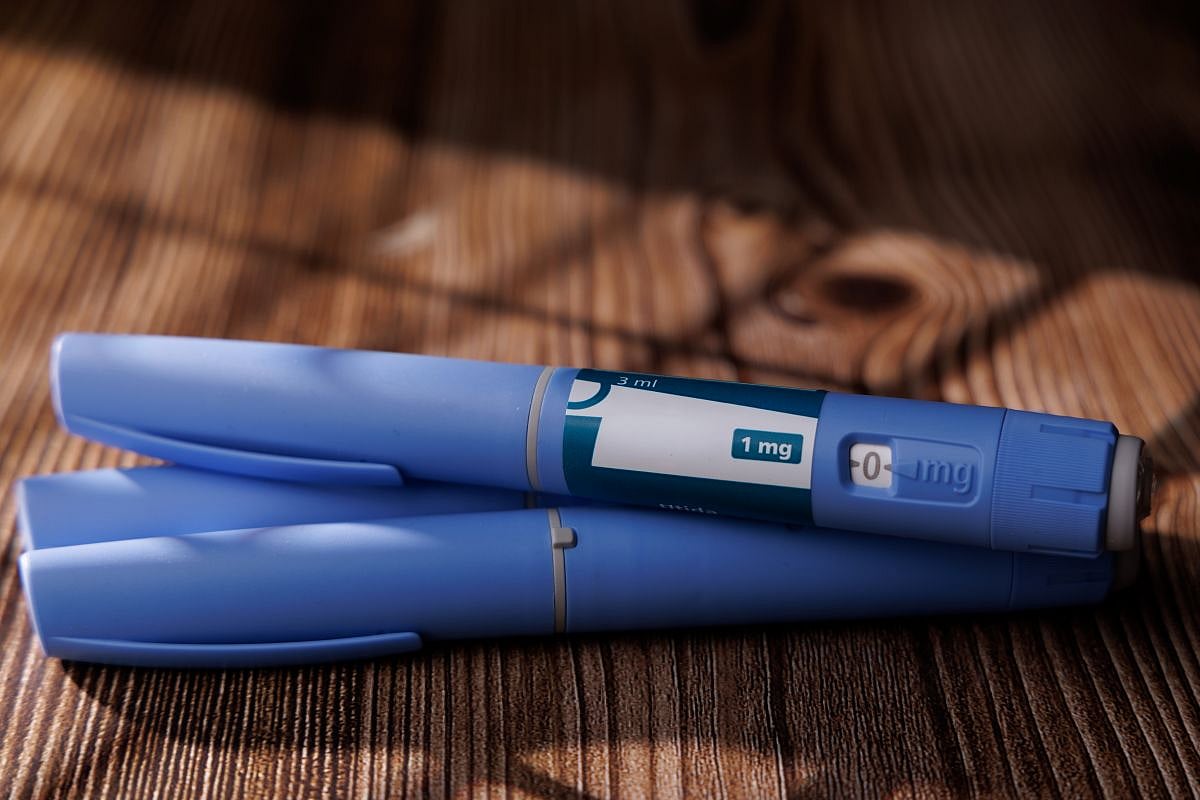 Nutritional Deficiencies Seen in Youth Taking GLP-1 Receptor Agonists
  Eating More Ultraprocessed Foods Heightens Risk for Chronic Diseases
 .jpg) Mortality Lowest at Hemoglobin Concentrations Above WHO Thresholds
Mortality Lowest at Hemoglobin Concentrations Above WHO Thresholds  Oral Vitamin C Active in Clonal Cytopenia of Undetermined Significance
  2009 to 2023 Saw Surge in Probiotic Supplement Use




.jpg)