


Reimbursement varied by procedure types, with increases for skin biopsy and shave removal, decreases for Mohs micrographic surgery
WEDNESDAY, Sept. 15, 2021 (HealthDay News) — From 2007 to 2021, there was a mean decrease of −4.8 percent in dermatologic procedure reimbursement overall, according to a study published online Sept. 15 in JAMA Dermatology.
Rishabh S. Mazmudar, from Case Western Reserve University School of Medicine in Cleveland, and colleagues conducted a cross-sectional study using reimbursement data from the Centers for Medicare & Medicaid Services Physician Fee Schedule for commonly used dermatologic codes from 2007 to 2021 to identify trends in reimbursement for 46 common procedures.
The researchers found that after adjusting for inflation, there was a mean decrease of −4.8 percent in dermatologic procedure reimbursement from 2007 to 2021. During this time period, there was significant variation observed in mean inflation-adjusted changes in reimbursement by procedure type, including increases of +30.3 and +24.5 percent for skin biopsy and shave removal, respectively, and decreases of −7.5, −14.4, −3.9, −9.9, −14.1, −12.0, and −6.6 percent for benign/premalignant/malignant destruction, Mohs micrographic surgery, benign/malignant excision, simple/intermediate/complex repair, flap repair, graft repair, and laser/phototherapy, respectively. There was no variation seen in changes in reimbursement by anatomical risk categories.
“This cross-sectional study of 2007 to 2021 Medicare fee schedules demonstrated a mean decrease in reimbursement for common dermatologic procedures, with variation by procedure category,” the authors write. “Sustainable reimbursement policies are necessary to ensure equitable access to quality dermatologic care.”
Abstract/Full Text (subscription or payment may be required)
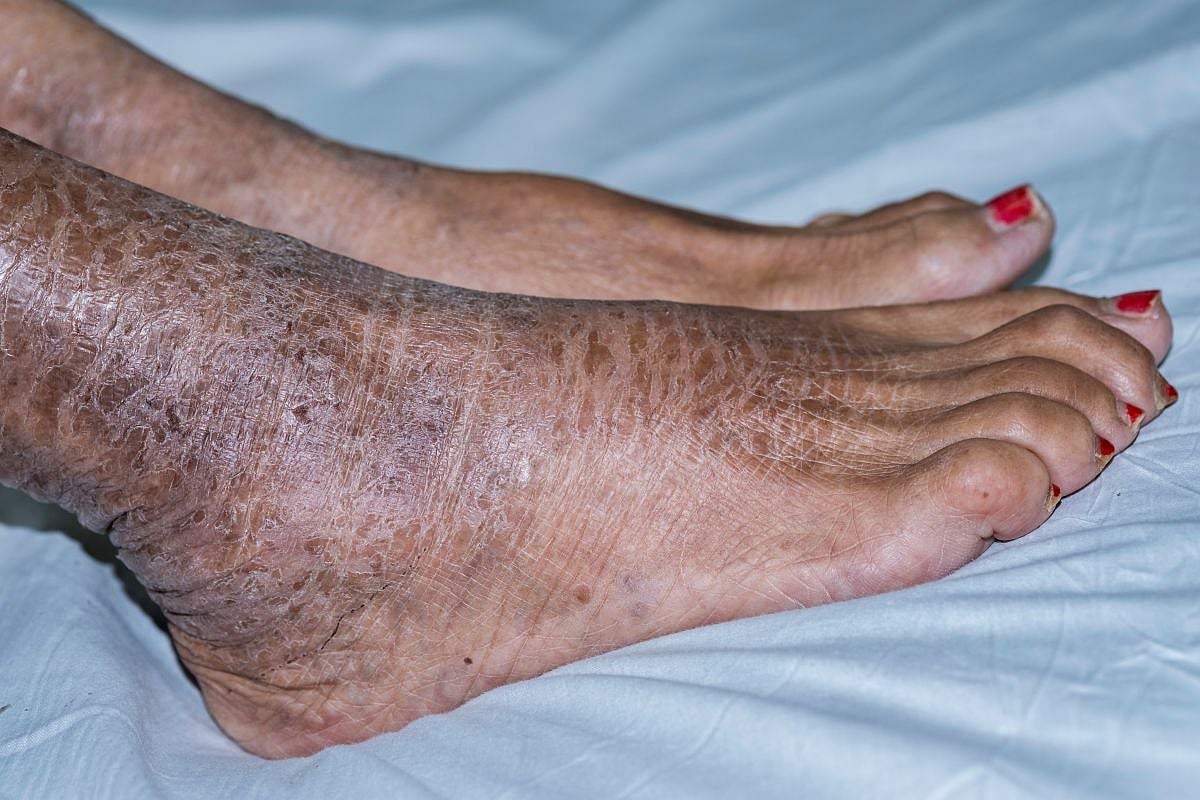 Congenital Ichthyosis Linked to Allergic Disorders
  2021 to 2026 Saw Increase in State Funding for Suicide Prevention
  Distinct Skin Microbiome Features Emerge Before Atopic Disease Onset in Infants
  Freshwater Swimming Tied to Stomach Bugs, Skin Conditions
 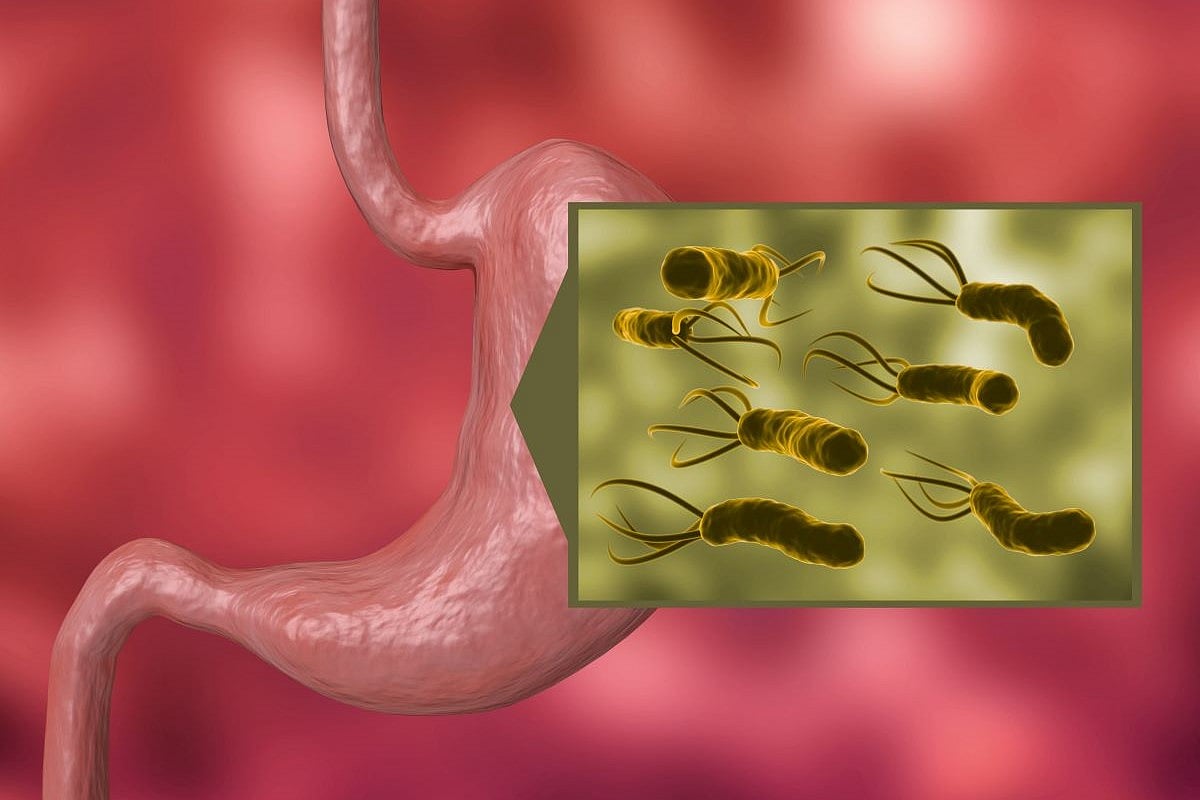 H. Pylori Exposure May Contribute to Global Burden of Colorectal Cancer
  About 1 in 20 Hospitalized U.S. Adults With Firearm Injuries Develop Bacterial Infections
  Considerable Global Disparities Found in Access to Dermatological Care
  Extreme Heat Linked to 33 Clinically Reportable Diagnoses
 .jpg)




