


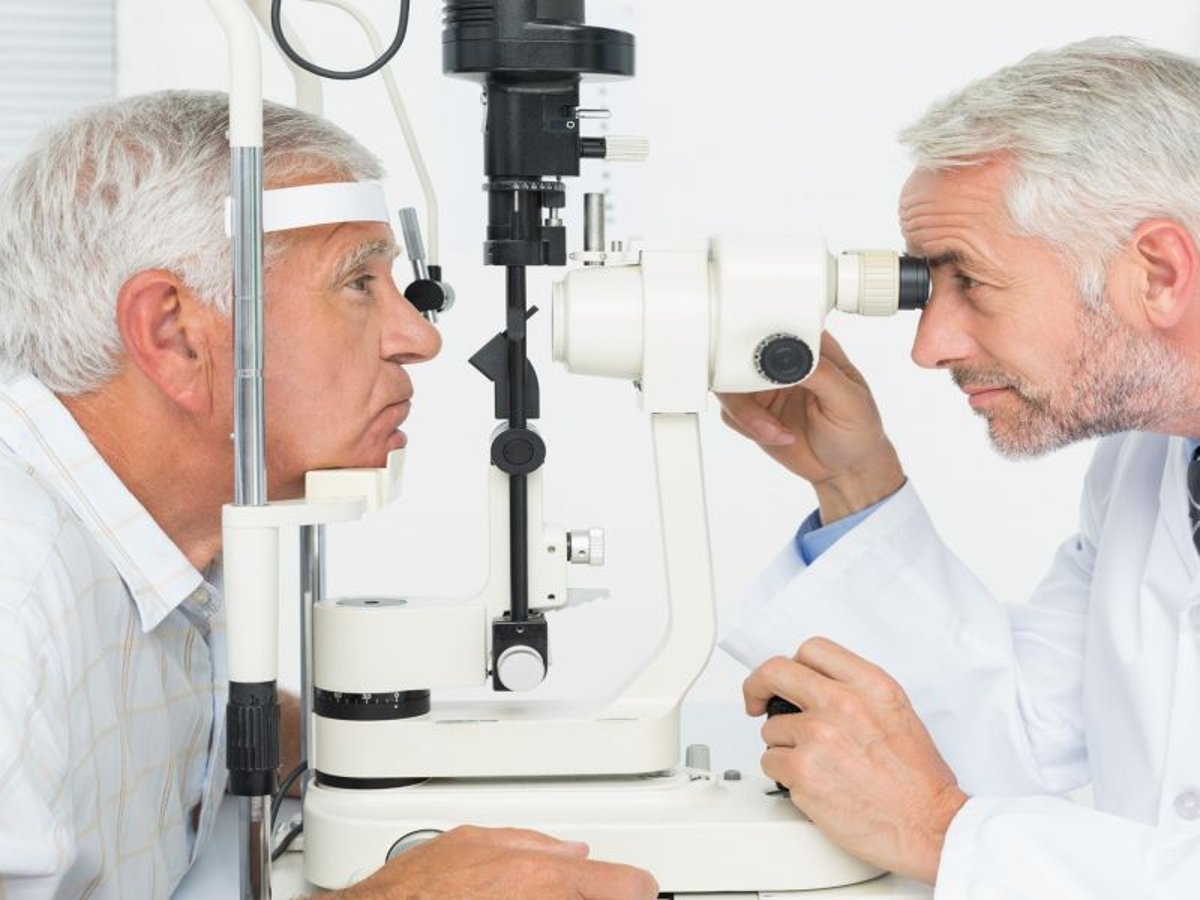
If rates had remained at 2008 level, there would have been an additional 848,000 cases of serious vision impairment in 2017
MONDAY, March 22, 2021 (HealthDay News) — The prevalence of serious vision impairment among older Americans declined significantly between 2008 and 2017, according to a study published online Feb. 28 in Ophthalmic Epidemiology.
ZhiDi Deng and Esme Fuller-Thomson, Ph.D., from the University of Toronto, and colleagues examined temporal trends in the age-, sex-, and race/ethnicity-adjusted prevalence of vision impairment among Americans aged 65 years and older from 2008 to 2017. The authors performed a secondary analysis of 10 years of annual nationally representative data from the American Community Survey, which included 5.4 million older adults.
The researchers found that between 2008 and 2017, the prevalence of serious vision impairment decreased from 8.3 to 6.6 percent. If rates had remained at the 2008 level, there would have been an additional 848,000 older Americans with serious vision impairment in 2017. Women had a 2.1 percent decline per year in the odds of vision impairment after controlling for age, sex, and race/ethnicity, which represented a 21 percent decline over the decade; men had a 9 percent decline over the decade. Most of the decline was seen among those aged 75 years and older.
“The very small gains made by those currently aged 65 to 74 over the past decade suggest that as the Baby Boom cohort ages into their late 70s and 80s, the downward trend in the future may be much less steep than that seen from 2008 to 2017,” Fuller-Thomson said in a statement.
Abstract/Full Text (subscription or payment may be required)
 Lower Cognitive Functioning During 60s Linked to Subsequent Stroke Risk
  Nearly 1 in 10 Older Adults Used Cannabis in the Past Year
  Polypharmacy of Prescription Medications Increased for U.S. Older Adults
  Lower Vertebral Bone Mineral Density Linked to Cognitive Decline
  Age-, Joint-Specific Ultrasound Reference Values Set for Healthy Joints
  Pharmacist-Led Med Review Improves Medication Quality in Older Patients With Cancer
  Myeloma Risk Modestly Increased in Adults With Incidentally Detected Vertebral Fracture
  Nearly 3 in 4 Older Adults Express Interest in Vaccine to Prevent Dementia
 .jpg)




