


Findings seen in older adults aged 65 years or older, with more modest improvements seen among baby boomers
WEDNESDAY, Feb. 19, 2025 (HealthDay News) — From 2008 to 2017, there was an increase in the prevalence of being free of all disabilities among the U.S. population aged 65 years or older, according to a study published in the March issue of the Archives of Gerontology and Geriatrics Plus.
Deirdre Kelly-Adams and Esme Fuller-Thomson, Ph.D., from the University of Toronto, examined temporal trends in the prevalence and odds of being free of disabilities among Americans aged 65 years and older in a secondary analysis of nationally representative data from the American Community Survey including 5.4 million community-dwelling and institutionalized older adults.
The researchers found that from 2008 to 2017, the prevalence of being free of all disabilities among the U.S. population aged 65 years and older increased from 60.8 to 64.9 percent, respectively. There would have been an additional 2.07 million older Americans living with one or more disabilities in 2017 had the prevalence remained at the 2008 levels. Improvements in the odds of being free of disabilities across the decade were higher for women than men (26 versus 18 percent). Higher levels of education accounted for much of the improvement. More modest improvements were seen among baby boomers (aged 65 to 74 years) than among older cohorts.
“There are concerns that baby boomers do not seem to be improving at the same rate as those aged 75 and older, which may cause the observed improving trend in disability-free life to wane or stall completely in the next decades as the baby boomers age,” the authors write.
 Prep for Conservative Management, Dialysis Yield Similar Results in Older Patients With Kidney Failure
 Study Looks at Approaches to Prescribing Obesity Medications for Older Adults
.jpg) Recurrent Visual Field Progression Happens for 1 in 4 With Glaucoma
 Women With Autism May Experience More Severe Menopause
 Characteristics of Individuals Diagnosed With Autism Have Changed Since 2010
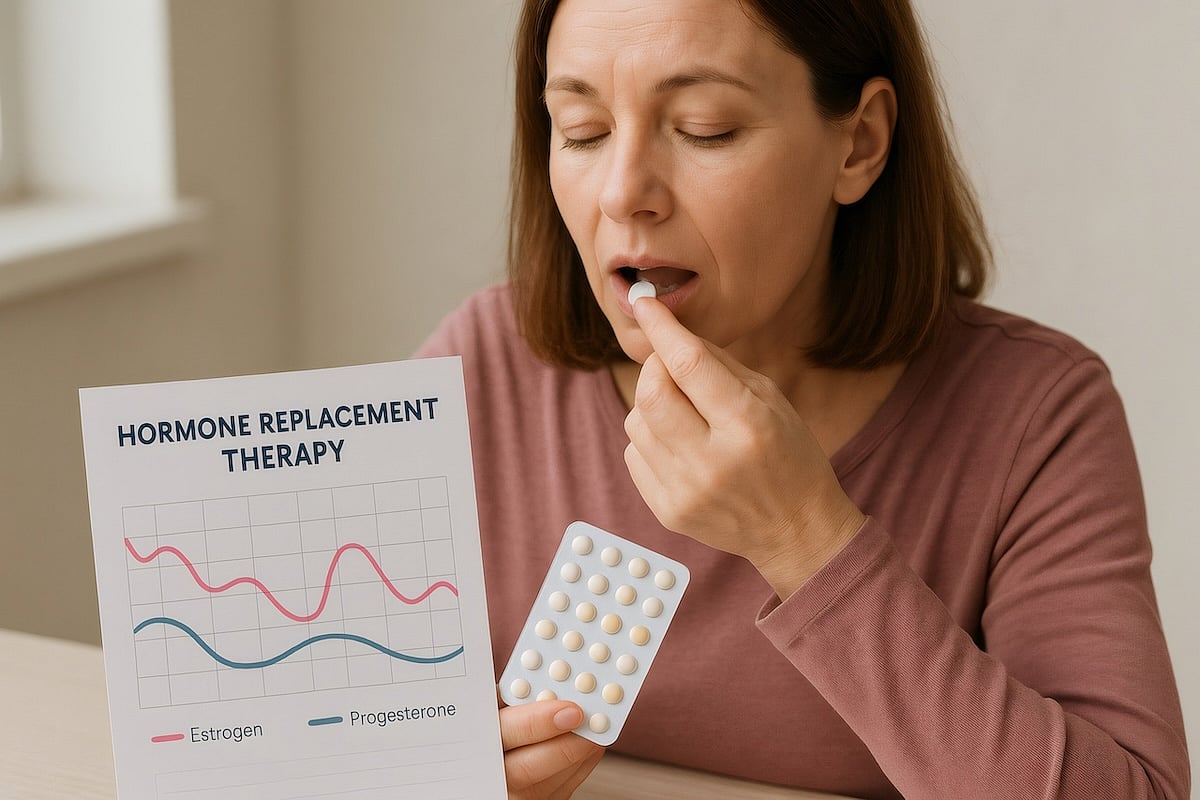 Oral Menopausal Hormone Therapy Linked to Venous Thromboembolic Risk
 Exercise Intervention Linked to Improved Attention, Memory in Breast Cancer
 Functional Decline Precedes Cardiovascular Disease Events by Many Years
.jpg)


