Metabolic agents were the most costly category; antidiabetic agents were the mostly costly therapeutic area
MONDAY, April 15, 2024 (HealthDay News) — From 2011 to 2020, there was an increase in total annual prescription medication expenditures, with antimetabolic agents the most costly category, according to a study published in the April issue of Research in Social and Administrative Pharmacy.
Whanhui Chi, from the University of Houston College of Pharmacy, and colleagues calculated the total annual medication expenditures by payer categories in a cross-sectional analysis using the 2011 to 2020 Medical Expenditures Panel Survey. Expenditures were stratified by therapeutic category. Temporal trends in medication expenditures were examined.
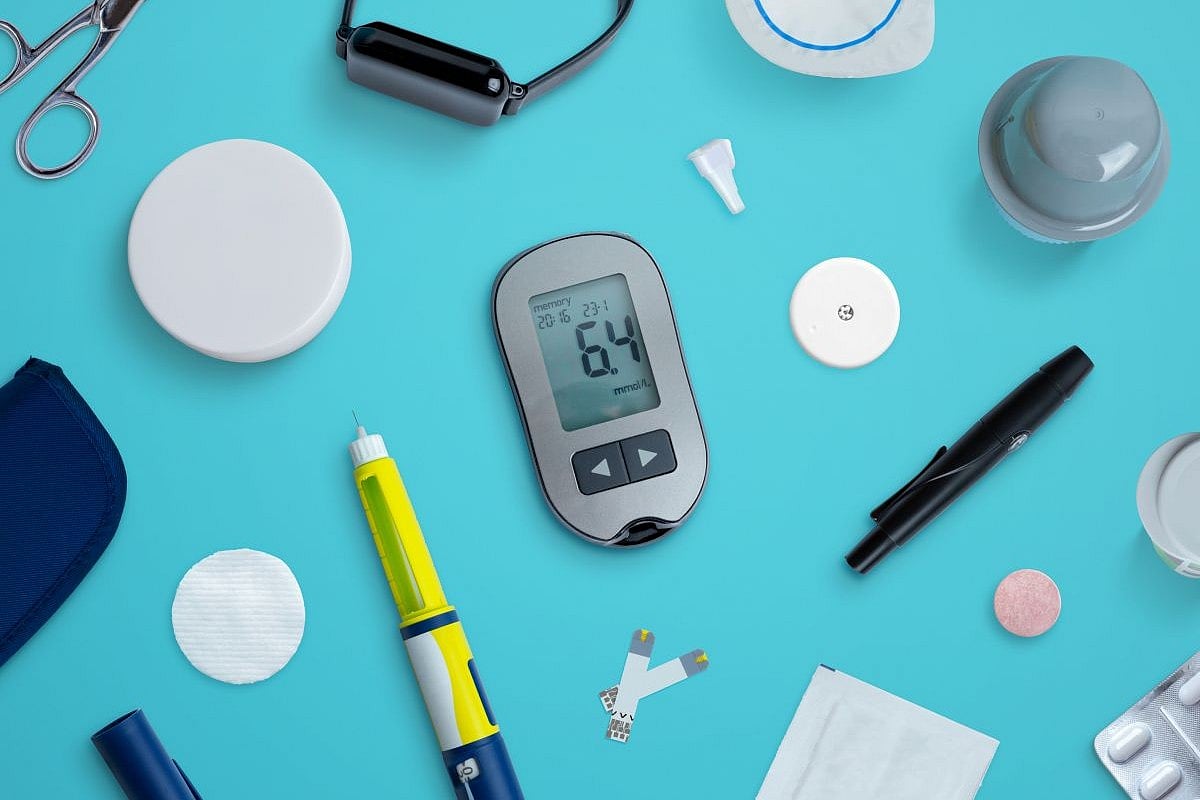
The researchers observed an increase in total annual prescription medication expenditures from $341.49 to $473.12 billion per year from 2011 to 2020, with the most costly category being metabolic agents. Antidiabetic agents were the most costly therapeutic area among the metabolic agents, with an increasing trend seen from $27.15 to $89.17 billion during the same period. Increasing trends in antidiabetic agent expenditure were seen for Medicare, Medicaid, TRICARE/Veterans Administration/CHAMPVA, and other sources; no trend was seen for the payer categories of out-of-pocket or other government sources. Of the antidiabetic agents, insulin had the highest expenditure.
“In light of these developments, research is needed to substantiate concerns that trends in the cost of care are outpacing patients” ability to pay,” coauthor Tyler J. Varisco, Ph.D.., Pharm.D., also from the University of Houston College of Pharmacy, said in a statement. “Continuing analysis is needed to help policymakers and other key stakeholders understand how changes in practice, policy, and drug marketing converge to impact total market expenditures.”
Abstract/Full Text (subscription or payment may be required)
 Blinatumomab Improves Event-Free Survival in Children With High-Risk B-Cell ALL
  Study IDs Risk Factors for Ketoacidosis in Adults With T2D Receiving SGLT2 Inhibitors
  Anifrolumab Tied to Lower Hospitalization, Infection Risk in Lupus
 .jpg) Recommendations Updated for Management of Anemia in CKD
Recommendations Updated for Management of Anemia in CKD  UACR, UPCR Provide Indistinguishable Prognostic Information in CKD
 .jpg) Mortality Lowest at Hemoglobin Concentrations Above WHO Thresholds
Mortality Lowest at Hemoglobin Concentrations Above WHO Thresholds  More Advanced CKM Syndrome Linked to Worse Cardiovascular Health
  Preoperative IV Iron Beneficial for Patients With Anemia Undergoing Cardiac Surgery