Pooled percentage of asymptomatic infections higher in nursing home residents and staff, air and cruise travelers, pregnant women
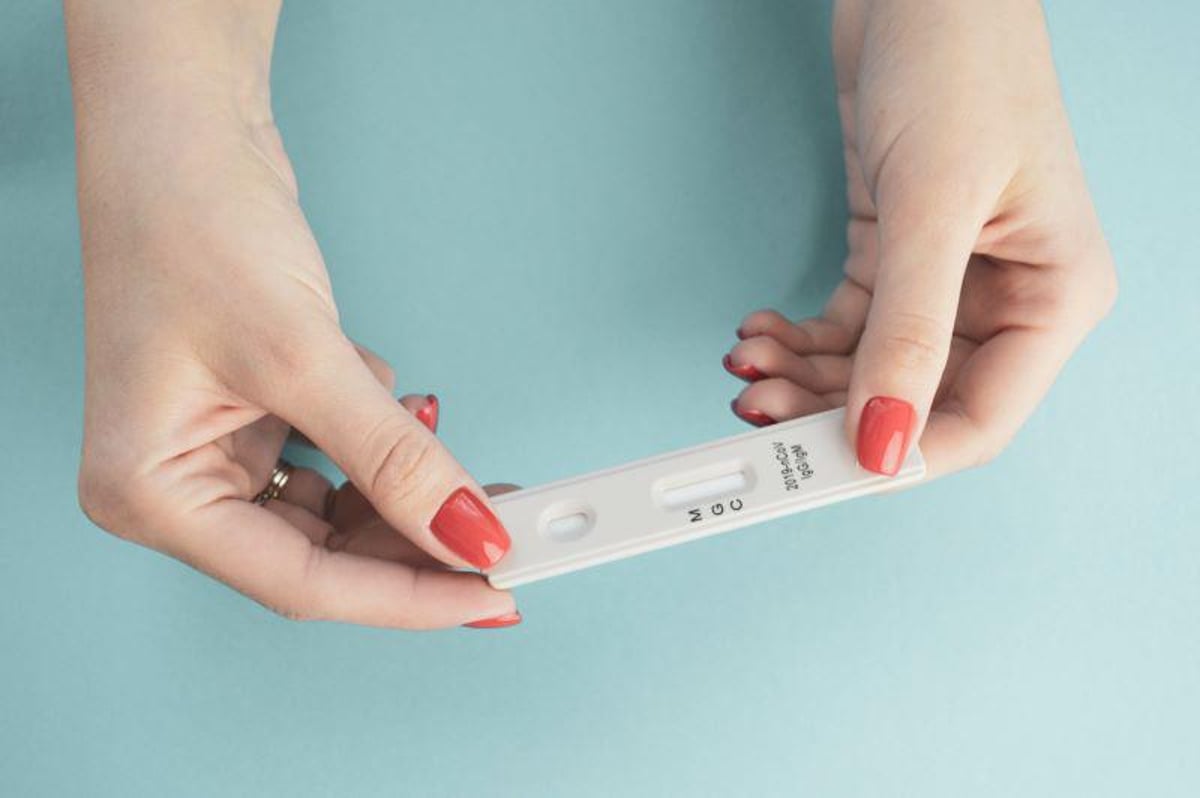
TUESDAY, Dec. 14, 2021 (HealthDay News) — The percentage of asymptomatic severe acute respiratory syndrome coronavirus 2 (SARS-CoV-2) infections is 0.25 and 40.50 percent among individuals undergoing testing and those with confirmed COVID-19, respectively, according to a review published online Dec. 14 in JAMA Network Open.
Qiuyue Ma, Ph.D., from Peking University in Beijing, and colleagues examined the percentage of asymptomatic infections among individuals undergoing testing and those with confirmed COVID-19 (tested population and confirmed population, respectively) in a meta-analysis of 95 unique studies covering 29,776,306 individuals undergoing testing.
The researchers found that among the tested population, the pooled percentage of asymptomatic infections was 0.25 percent, which was higher among nursing home residents or staff, air or cruise travelers, and pregnant women (4.52, 2.02, and 2.34 percent, respectively). Among the confirmed population, the pooled percentage of asymptomatic infections was 40.50 percent, which was higher among pregnant women, air or cruise travelers, and nursing home residents and staff (54.11, 52.91, and 47.53 percent, respectively).
“The high percentage of asymptomatic infections highlights the potential transmission risk of asymptomatic infections in communities,” the authors write. “Screening for asymptomatic infection is required, especially for countries and regions that have successfully controlled SARS-CoV-2.”
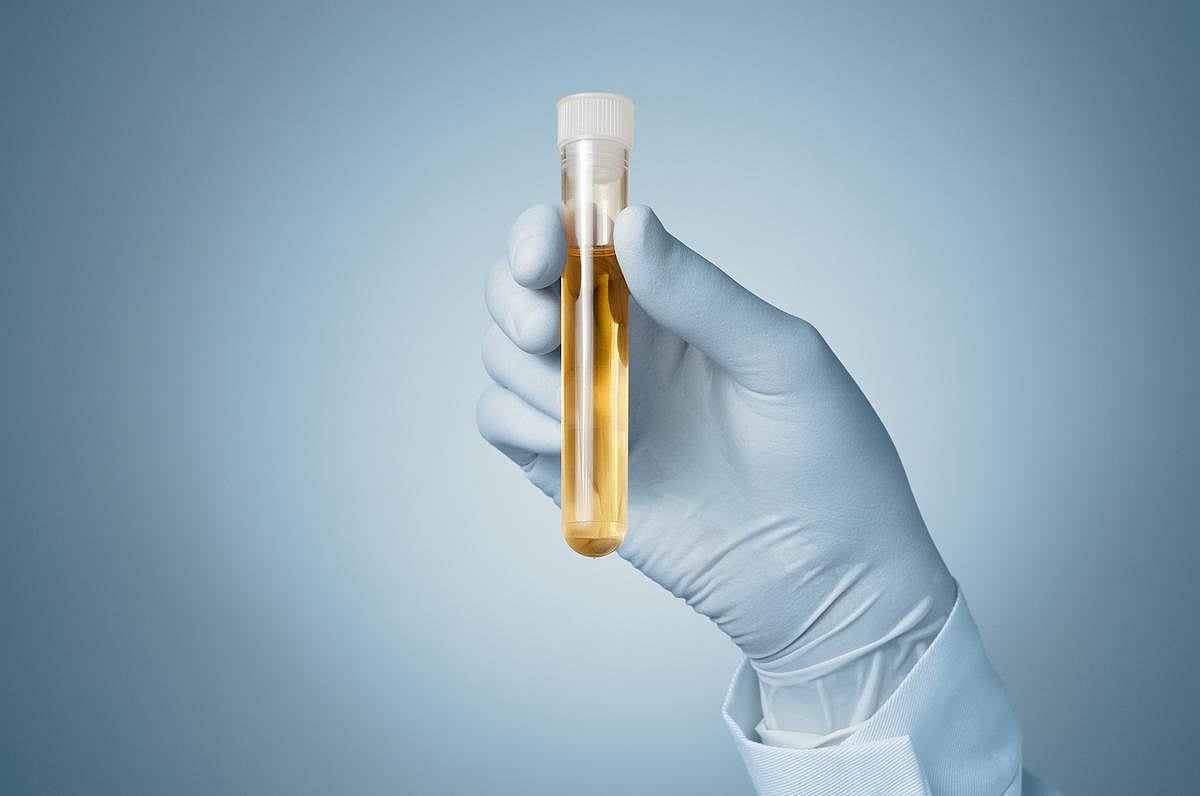 Urine Cell-Free RNA Shows Promise as Biomarker for Bladder Cancer
  Age-, Joint-Specific Ultrasound Reference Values Set for Healthy Joints
  Retinal Imaging Can ID Atrial Fibrillation Years Before Diagnosis
  U.S. Adults May Not Understand Their Risk for Vascular Disease
  Lower Cognitive Functioning During 60s Linked to Subsequent Stroke Risk
  Polypharmacy of Prescription Medications Increased for U.S. Older Adults
  Nearly 1 in 10 Older Adults Used Cannabis in the Past Year
  Lower Vertebral Bone Mineral Density Linked to Cognitive Decline