



Diabetes development more likely for those with higher glycemic level, BMI ≥30 kg/m2 and among Black versus White individuals
FRIDAY, March 11, 2022 (HealthDay News) — Six percent of individuals with prediabetes develop diabetes within one year, according to a study published online March 2 in the Journal of General Internal Medicine.
Eva Tseng, M.D., M.P.H., from the Johns Hopkins University School of Medicine in Baltimore, and colleagues describe the clinical care of individuals with prediabetes and examined patient factors associated with this care in a retrospective cohort study using linked claims and electronic health record data. The cohort included 3,888 adults with prediabetes based on laboratory measures.
The researchers found that 63.4 percent of patients had repeat glycemic testing within 12 months, but only 10.4, 1.0, and 5.4 percent had coded diagnoses of prediabetes, were referred for nutrition services, and were prescribed metformin. When referred, most patients completed labs and nutrition visits; most patients filled metformin when prescribed. The likelihood of receiving prediabetes clinical care was increased for individuals with a higher glycemic level or body mass index (BMI). Within 12 months of cohort entry, 6 percent of individuals developed diabetes, and they had higher glycemic levels and BMI ≥30 kg/m2. Compared with White individuals, Black individuals had 1.4 times higher odds of developing diabetes in the adjusted model.
“Strategies to improve prediabetes diagnosis, Diabetes Prevention Programs and nutrition referrals, and metformin prescribing are urgently needed to improve prediabetes care delivery with the goal of preventing or delaying incident diabetes,” the authors write.
.jpg) Pregnancy Complications Linked to Subsequent Risk for Cardiometabolic-Renal Conditions
Pregnancy Complications Linked to Subsequent Risk for Cardiometabolic-Renal Conditions  GLP-1 Receptor Agonists, SGLT-2is Slow Renal Function Decline in T2D With Albuminuria
 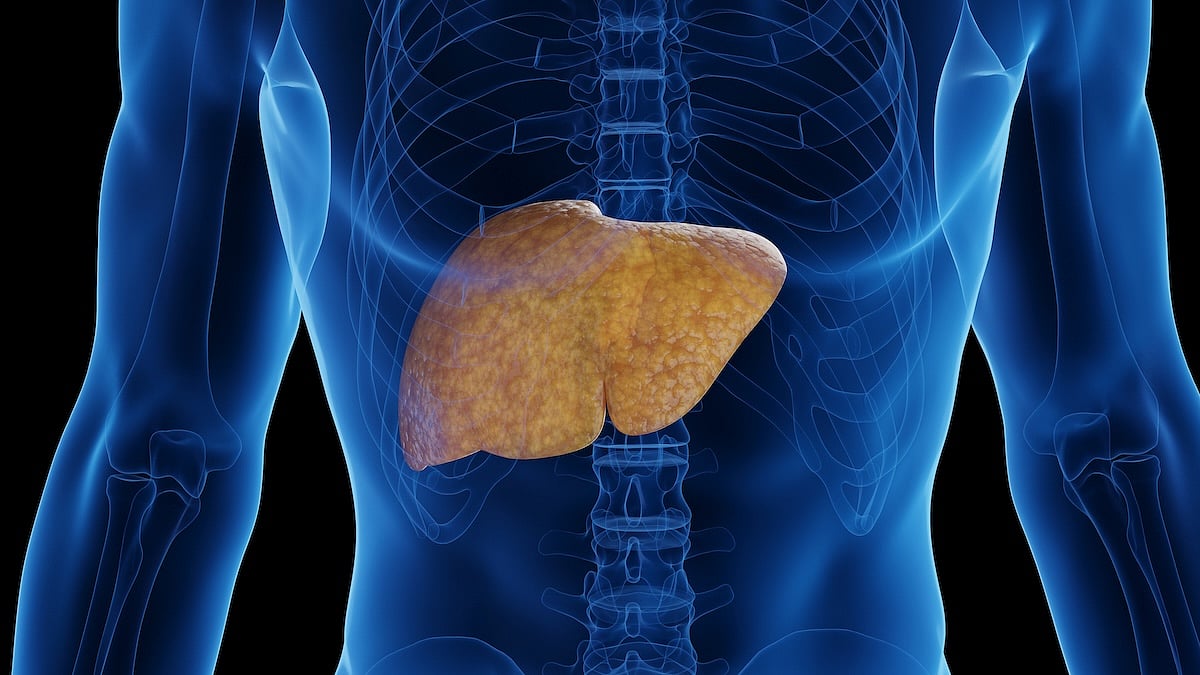 Genetics, Diabetes Tied to MASLD-Associated Cirrhosis Before Age 50
 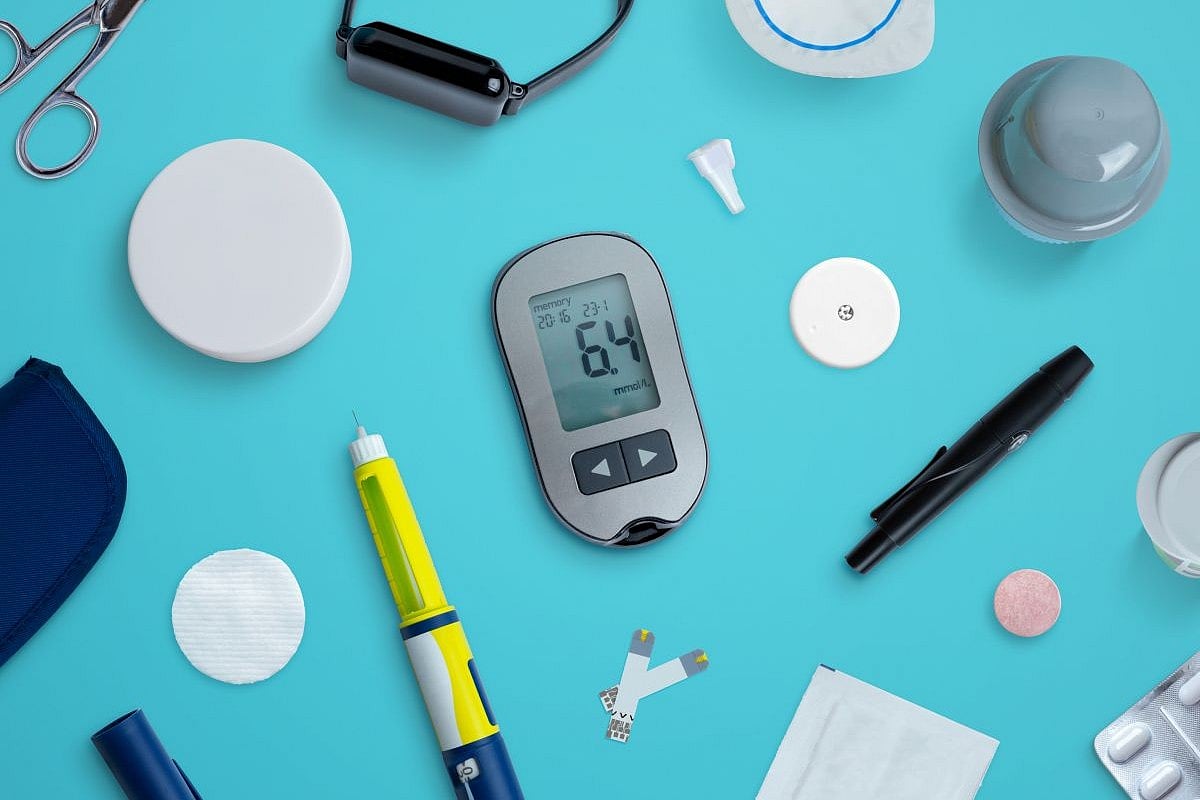 Study IDs Risk Factors for Ketoacidosis in Adults With T2D Receiving SGLT2 Inhibitors
  Drug Interactions Reducing Contraceptive Effectiveness Common in Epilepsy
 .jpg) Most Specialty Oral Anticancer Meds for Blood Cancers Are Initially Rejected by Insurers
Most Specialty Oral Anticancer Meds for Blood Cancers Are Initially Rejected by Insurers  1 in 3 With Lupus Take Supplements, Medications With Potential for Interactions
  Holding DMARDs at Time of COVID-19 Vaccine Not Warranted in Those With Inflammatory Arthritis


