


Association stronger as median household income increased, suggesting benefit for residents of higher-income counties
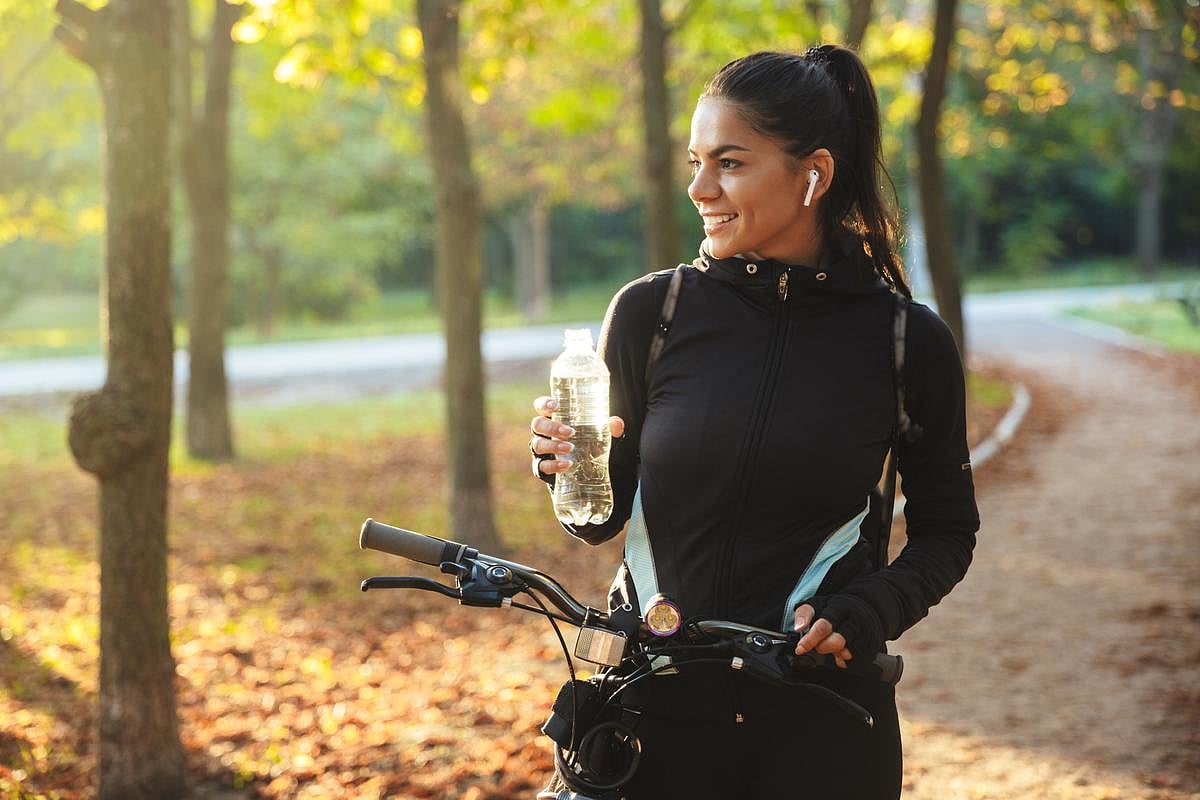
WEDNESDAY, Jan. 21, 2026 (HealthDay News) — Increasing park and recreational facility availability can enhance leisure-time physical activity (LTPA), but less so for traditionally marginalized populations, according to a study published online recently in Leisure Sciences.
Mikihiro Sato, Ph.D., from the University of Illinois Urbana-Champaign, and colleagues analyzed two years of county-level data to explore the extent to which park and recreational facility availability, socioeconomic status, and racial composition are associated with LTPA prevalence. Data from the University of Wisconsin County Health Rankings database for 2019 and 2020 were included, with information for 96 percent of U.S. counties.
The researchers found a small, positive association between park and recreational facility availability and LTPA prevalence in the county. This association was stronger in counties with higher median household income and a greater percentage of non-Hispanic White residents.
“The relationship strengthened further as median household income increased, which suggests that residents of higher-income counties may be more likely to visit parks and facilities to engage in leisure-time physical activity,” Sato said in a statement.
Abstract/Full Text (subscription or payment may be required)
 Air Pollution Does Not Impair Benefits of Walking in Reducing COPD Exacerbation Rate
  Socioeconomic Status Linked to Mortality After Acute Hip Fracture Surgery
  Freshwater Swimming Tied to Stomach Bugs, Skin Conditions
  Drug Retention in Spondyloarthritis Varies With Socioeconomic Status
  1 in 3 With Lupus Take Supplements, Medications With Potential for Interactions
  Age-, Joint-Specific Ultrasound Reference Values Set for Healthy Joints
  Holding DMARDs at Time of COVID-19 Vaccine Not Warranted in Those With Inflammatory Arthritis
  Low Hydroxychloroquine Intake, Blood Levels Linked to ASCVD Risk in Lupus


.jpg)

