Patients receiving intestinal ultrasound monitoring also achieved clinical remission earlier
WEDNESDAY, Oct. 25, 2023 (HealthDay News) — For patients with inflammatory bowel disease (IBD), monitoring by intestinal ultrasound (IUS) results in reduced time to treatment change and to remission, according to a study presented at the annual meeting of the American College of Gastroenterology, held from Oct. 20 to 25 in Vancouver, British Columbia, Canada.
Noa Krugliak Cleveland, M.D., from the University of Chicago Medicine, and colleagues performed a retrospective analysis of upadacitinib-treated patients and examined the time to treatment change and clinical remission in patients receiving IUS monitoring versus those receiving conventional management. A total of 105 patients received upadacitinib for IBD; 20 patients were included in this analysis with 30 clinical evaluations (11 IUS, 19 non-IUS).
The researchers found that the average time to treatment change was 1.1 days postinduction in IUS patients compared with 16.6 days in non-IUS patients. Treatment changes included extended induction with upadacitinib, steroid initiation, or initiation of a different treatment. Overall, five (71.4 percent) and six (75 percent) patients in the IUS and non-IUS cohorts achieved clinical remission by 26.8 and 55.3 days, respectively. In the conventional group, reasons for delay included waiting for test results or endoscopy, communication between team members, and awaiting a scheduled visit with a provider. The reason for delay in the IUS group was waiting for a visit with the referring physician.
“Disease monitoring with IUS in IBD is associated with earlier treatment changes and shorter time to remission compared to conventional approaches to disease monitoring,” the authors write. “Ongoing dissemination and incorporation of IUS in the management of IBD are warranted.”
 Serum 25(OH)D May Serve as Biomarker of Disease Activity in IBD
  PET/MRI Offers Diagnostic, Prognostic Value in Pediatric Epilepsy
  IBD Not Linked to Risk for Hypertensive Disorders of Pregnancy Overall
  Family History of CRC Increases CRC Risk Similarly in IBD, General Population
 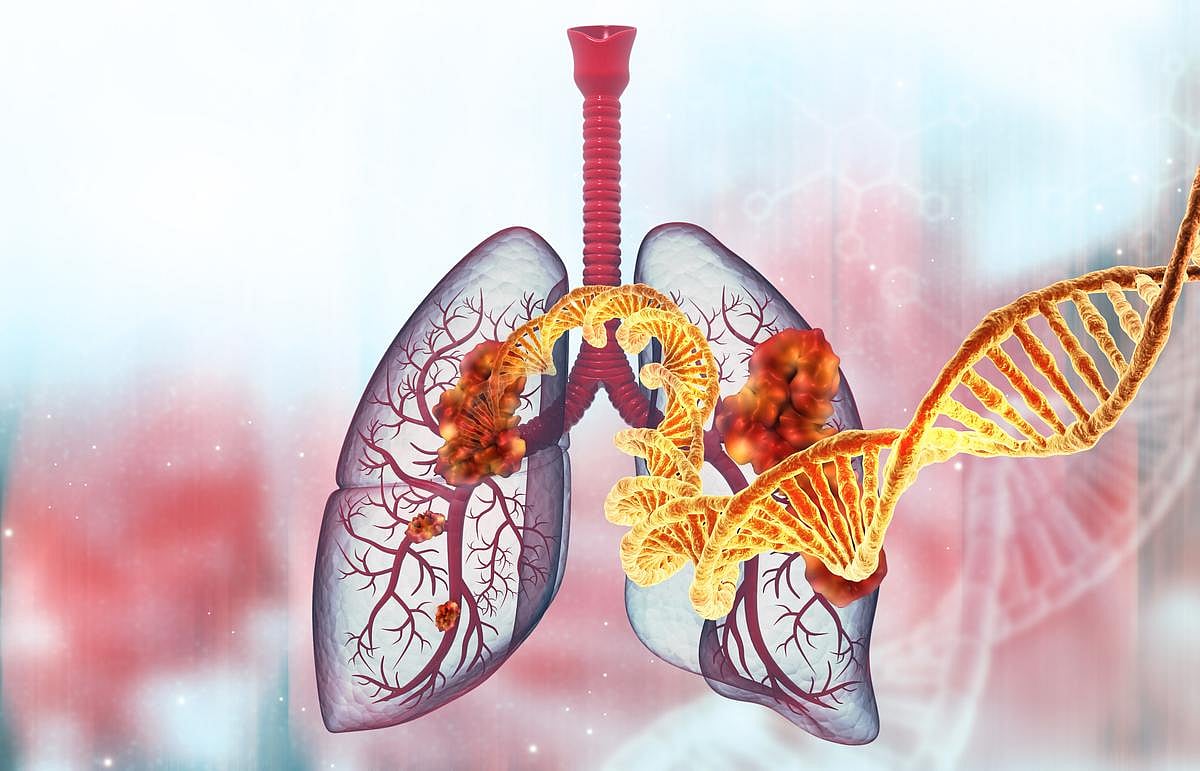 Gene Mutation Identified That Increases Lung Cancer Risk
  Surveillance Colonoscopy at Five Years After Adenoma Removal Noninferior to Three Years
 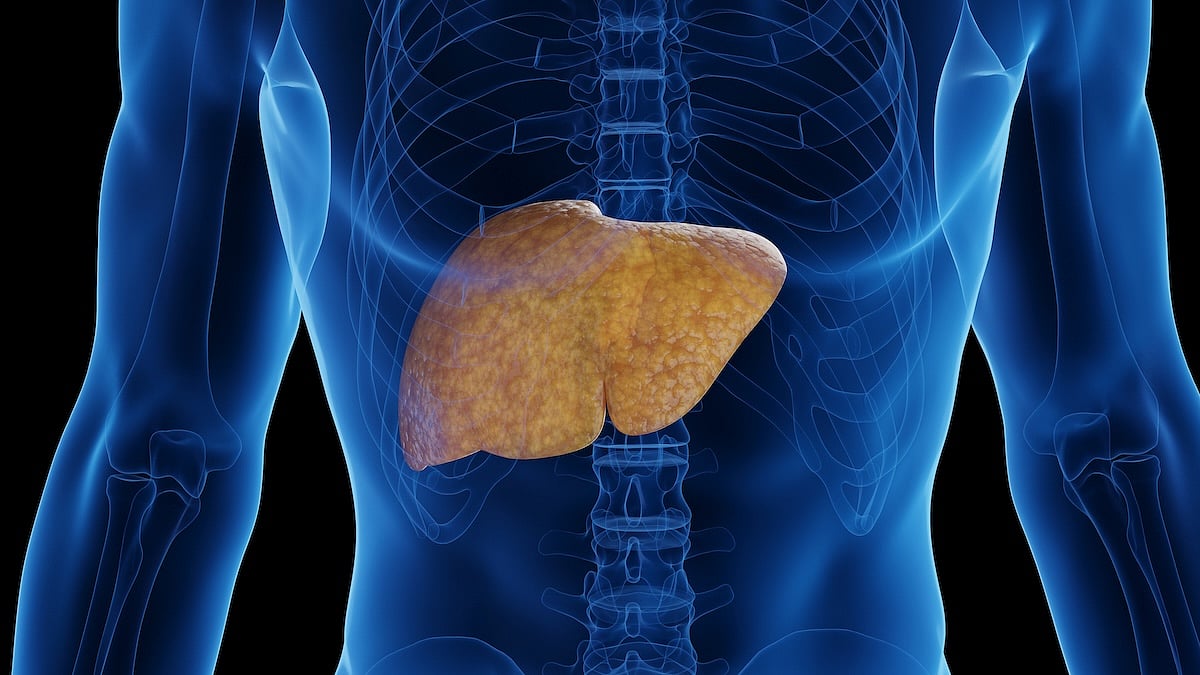 Genetics, Diabetes Tied to MASLD-Associated Cirrhosis Before Age 50
  Relapse Rare After Appendiceal Adenocarcinoma Resection