



Risk for incidence of type 1 diabetes increased 25 percent in association with one increment in BMI standard deviation
MONDAY, June 6, 2022 (HealthDay News) — Elevated body mass index (BMI) in adolescence is associated with an increased risk for type 1 diabetes in young adulthood, according to a study published online June 5 in Diabetologia to coincide with the annual meeting of the American Diabetes Association, held from June 3 to 7 in New Orleans.
Inbar Zucker, M.D., M.P.H., from Tel Aviv University in Israel, and colleagues examined the association between BMI in late adolescence and incident type 1 diabetes in young adulthood. Data were included for all Israeli adolescents ages 16 to 19 years who underwent medical evaluation in preparation for mandatory military conscription. Data were linked with information about adult onset of type 1 diabetes from the Israeli National Diabetes Registry.
The researchers identified 777 incident cases of type 1 diabetes during 15,819,750 person-years. There was an association for BMI with incident type 1 diabetes. The hazard ratios (95 percent confidence intervals) for type 1 diabetes were 1.05 (0.87 to 1.27), 1.41 (1.11 to 1.78), 1.54 (1.23 to 1.94), and 2.05 (1.58 to 2.66) for the 50th to 74th BMI percentiles, the 75th to 84th BMI percentiles, adolescents who were overweight (85th to 94th percentiles), and adolescents with obesity (≥95th percentile), respectively, compared with the reference group (5th to 49th BMI percentiles) after adjustment for age, sex, and sociodemographic variables. The risk for incidence of type 1 diabetes was increased 25 percent in association with one increment in BMI standard deviation (hazard ratio, 1.25; 95 percent confidence interval, 1.17 to 1.32).
“Our findings have public health implications,” the authors write. “With rising levels of obesity, we may expect a continued rise in type 1 diabetes.”
Abstract/Full Text (subscription or payment may be required)
.jpg) Considerable Gaps Reported in Care for Youth With Opioid Use Disorder
Considerable Gaps Reported in Care for Youth With Opioid Use Disorder 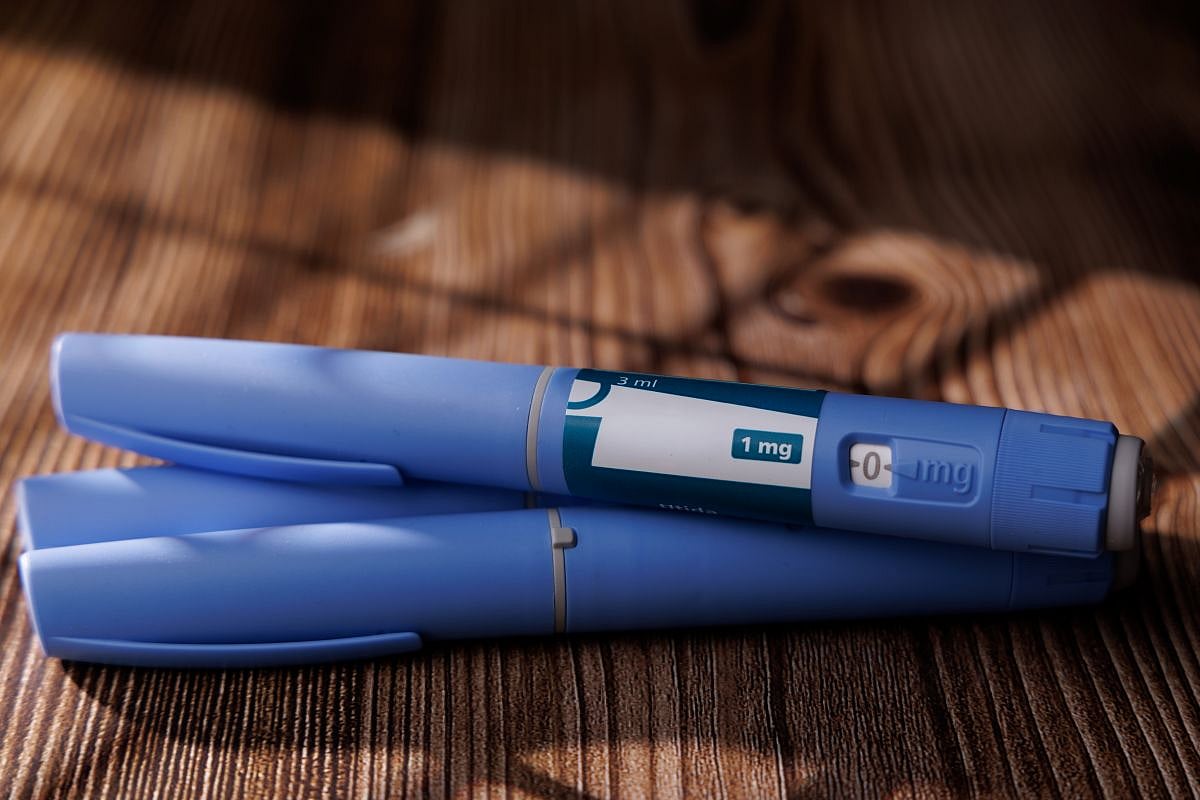 Nutritional Deficiencies Seen in Youth Taking GLP-1 Receptor Agonists
  Youth Suicide Risk Linked to Community Firearm Violence
  Trends Reported in Vaccination Coverage for Adolescents for 2025
  Nearly 3 in 4 Older Adults Express Interest in Vaccine to Prevent Dementia
 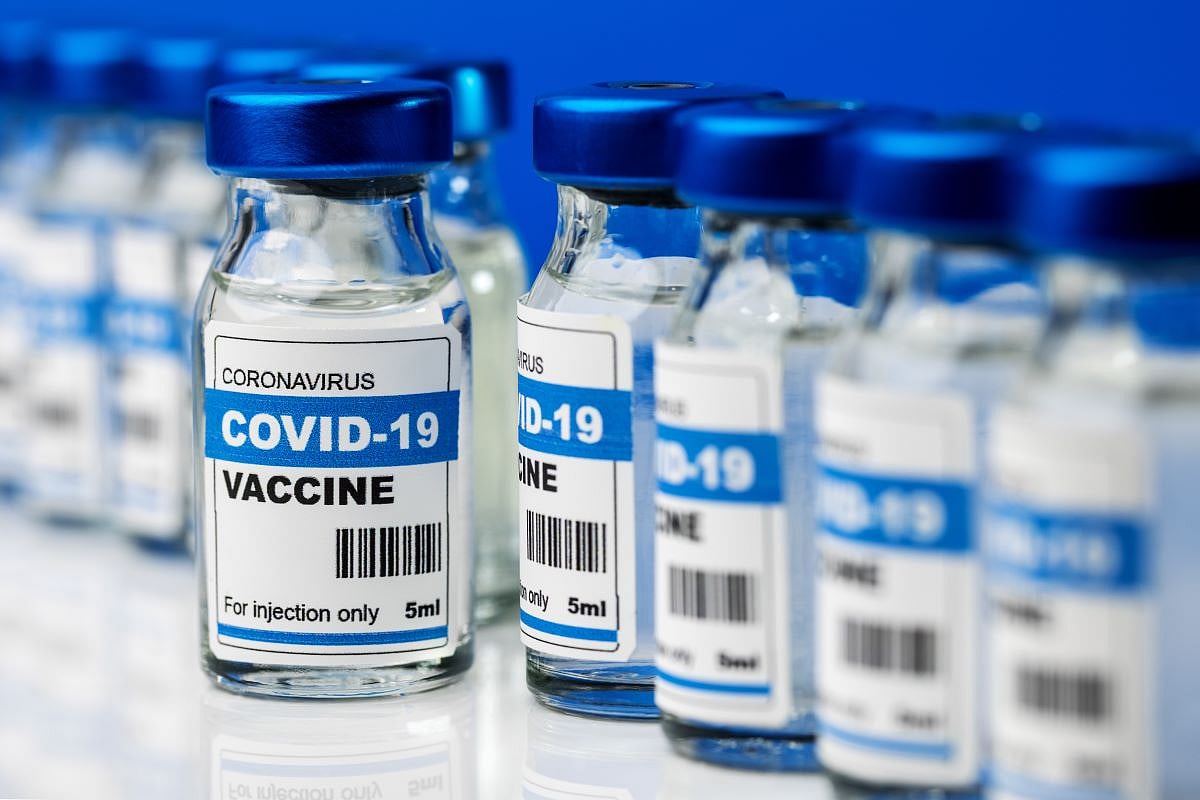 Updated COVID-19 Shot Beneficial for Those With Autoimmune Rheumatic Disease
  AAP Issues Recommendations for Pediatric RSV Vaccination in 2026-2027 Season
  Social Media Warnings Could Discourage Use Among Teens, Young Adults




.jpg)