


Difference in frequency of adverse outcomes small and statistically insignificant for siblings conceived naturally, through ART
FRIDAY, Jan. 7, 2022 (HealthDay News) — Medically assisted reproduction treatments are associated with adverse birth outcomes, but these outcomes are unlikely to be linked to the infertility treatments, according to a study published online Jan. 6 in Obstetrics & Gynecology.
Alina Pelikh, Ph.D., from the University College London, and colleagues compared risks for adverse birth outcomes among pregnancies conceived with and without medically assisted reproduction treatments. The sample included 248,013 deliveries; 5.2 percent of the neonates were conceived through medically assisted reproduction.
The researchers found that compared with neonates conceived naturally, neonates conceived through medically assisted reproduction weighed less, were born earlier, and were more likely to be low birth weight (LBW), preterm, and small-for-gestational age. Worse birth outcomes were seen with more invasive treatments (assisted reproductive technology [ART] or intrauterine insemination); for example, the proportion of LBW and preterm birth was 6.1 and 7.9 percent compared with 25.5 and 29.8 percent among neonates conceived naturally and those conceived via ART, respectively. The differences in birth outcomes were attenuated but remained significant after adjustment for various neonatal and parental characteristics. Among siblings, the differences in the frequency of adverse outcomes were small and insignificant for neonates conceived through medically assisted reproduction (all types) and for neonates conceived naturally.
“We found limited evidence of the effects of medically assisted reproduction treatments on pregnancy term and birth weight through comparing siblings’ birth outcomes, which is in line with existing studies from the Nordic countries,” Pelikh said in a statement.
 Ultrasound-Guided Hydrodissection Yields Improvements in Carpal Tunnel
  Nearly 1 in 5 Patients Report Exposure to Ophthalmic Treatments Perceived as Bogus
 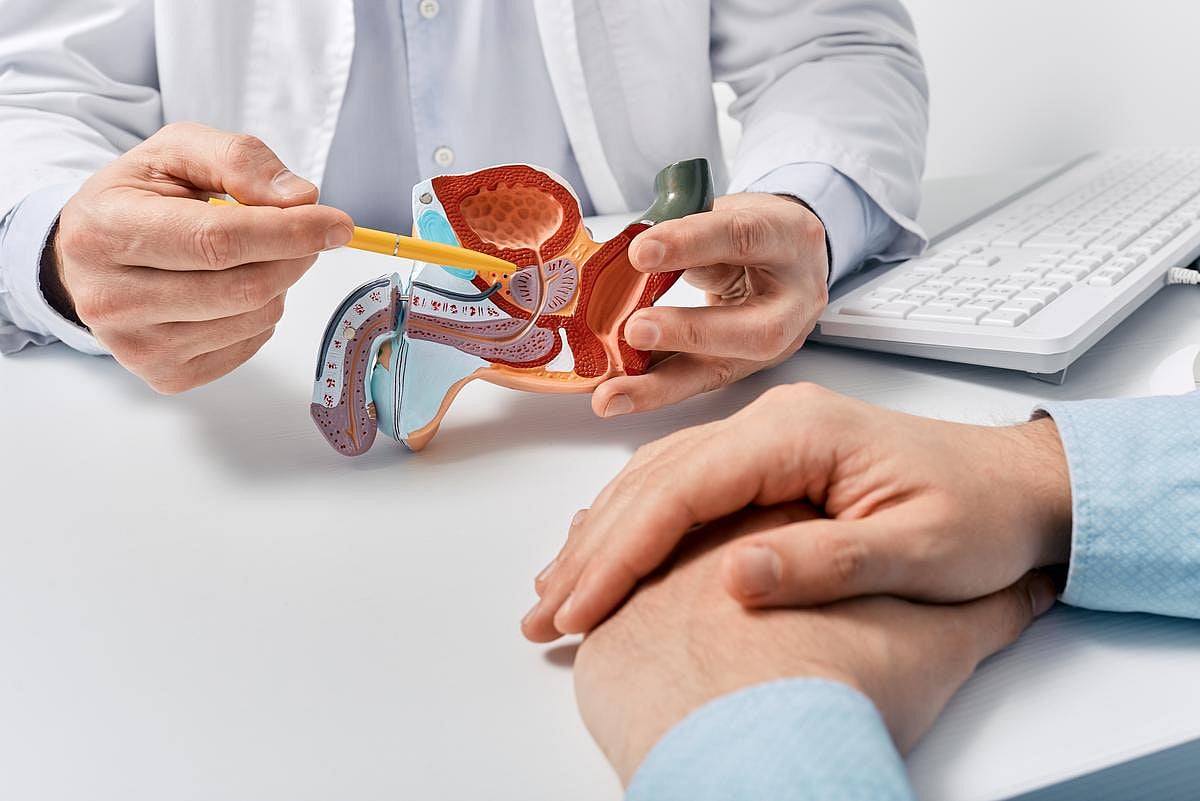 Focal Therapy Use Remains Uncommon in Nonmetastatic Prostate Cancer
  Suboptimal Adherence to Brain Health Recommendations Common in Early Alzheimer Disease
  Insomnia Linked to Increased Risk for Stroke, Odds of Admission
  Increased Dementia Risk Seen After Transient Ischemic Attack
  Nearly 3 in 4 Older Adults Express Interest in Vaccine to Prevent Dementia
  Voice Disorders Linked to Elevated Risk for Incident Cognitive Decline
.jpg)



