


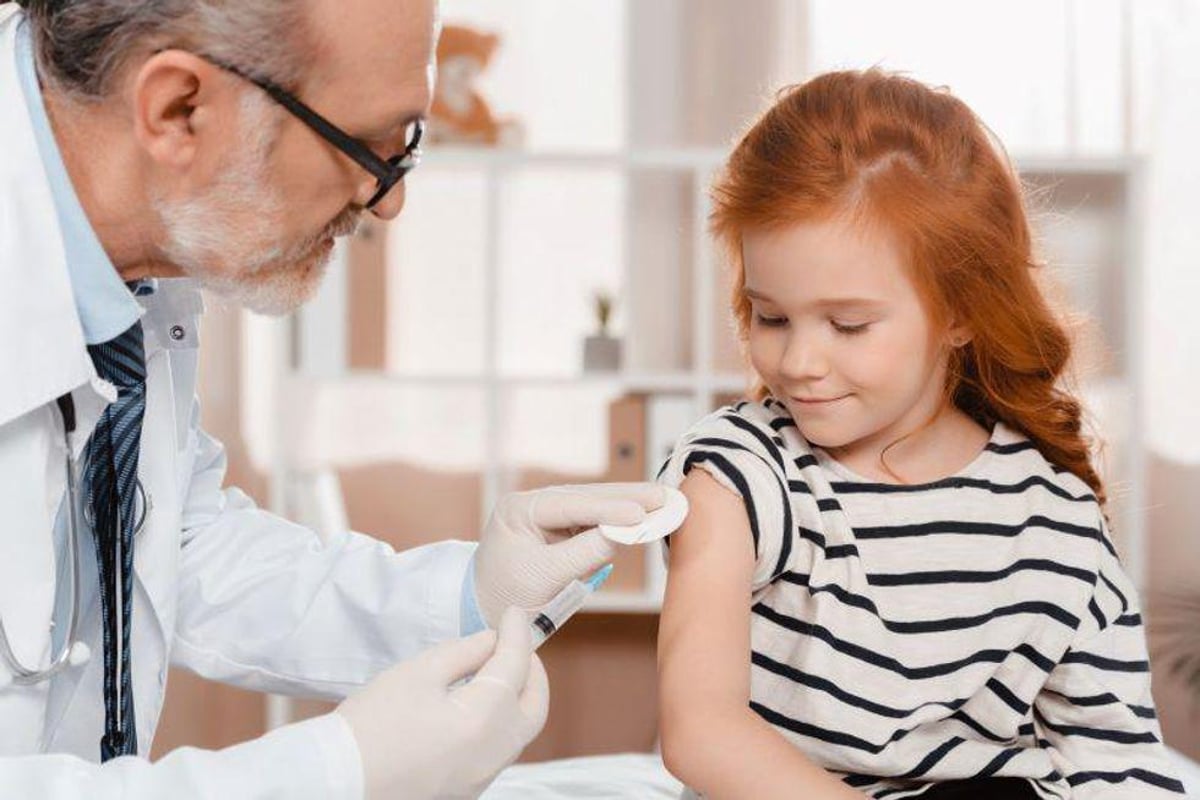
Data show 4,249 reports of adverse events after about 8.7 million doses of vaccine were administered; 97.6 percent not serious
THURSDAY, Dec. 30, 2021 (HealthDay News) — Children aged 5 to 11 years rarely report adverse events after Pfizer-BioNTech COVID-19 vaccination, and 97.6 percent of the adverse events are not serious, according to research published in the Dec. 31 issue of the U.S. Centers for Disease Control and Prevention Morbidity and Mortality Weekly Report.
Anne M. Hause, Ph.D., from the CDC COVID-19 Response Team, and colleagues reviewed adverse events after receipt of the Pfizer-BioNTech COVID-19 vaccine reported to the Vaccine Adverse Event Reporting System during Nov. 3 to Dec. 19, 2021, to further characterize vaccine safety in children ages 5 to 11 years. About 8.7 million doses of the Pfizer-BioNTech COVID-19 vaccine were administered during this period.
The researchers found 4,249 reports of adverse events after vaccination in this age group, 97.6 percent of which were not serious. After vaccination, about 42,504 children ages 5 to 11 years were enrolled in v-safe, a voluntary smartphone-based active safety surveillance system; 17,180 local and 12,223 systemic reactions (including injection-site pain, fatigue, or headache) were reported after dose 2, occurring in 57.5 and 40.9 percent of children, respectively.
“Parents and guardians of children aged 5 to 11 years vaccinated with Pfizer-BioNTech COVID-19 vaccine should be advised that local and systemic reactions are expected after vaccination,” the authors write. “CDC and FDA will continue to monitor vaccine safety and will provide updates as needed to guide COVID-19 vaccination recommendations.”
 Nearly 3 in 4 Older Adults Express Interest in Vaccine to Prevent Dementia
  Study IDs Risk Factors for Ketoacidosis in Adults With T2D Receiving SGLT2 Inhibitors
  Updated COVID-19 Shot Beneficial for Those With Autoimmune Rheumatic Disease
  AAP Issues Recommendations for Pediatric RSV Vaccination in 2026-2027 Season
  Trends Reported in Vaccination Coverage for Adolescents for 2025
  4CMenB Vaccine Confers Modest Protection Against Gonorrhea in Teens
  AAP Releases Influenza Vaccine Recommendations for All Children 6 Months and Older


.jpg)

