


Higher frequency of practice tied to greater impact on self-reported symptoms
WEDNESDAY, Dec. 21, 2022 (HealthDay News) — Aerobics training is tied to improvement in self-reported anxiety, depression, and sleep quality among perimenopausal women, according to a study published online Nov. 24 in Frontiers in Psychiatry.
Yan Zhao, from Lyuliang University in China, and colleagues studied the effect of eight weeks of aerobics training on anxiety, depression, and sleep disturbance in 289 perimenopausal women. To evaluate the anxiety, depression, and sleep status of the women before and after the intervention, the authors used the self-rating anxiety scale, self-rating depression scale, and Pittsburgh sleep scale.
The researchers found that after aerobics training, the scores of self-rated anxiety and depression and the Pittsburgh sleep questionnaire were significantly lower than those before the intervention. There was significant variance observed in the remission rate of symptoms based on different frequency of spontaneous practice, with a higher frequency of spontaneous practice significantly tied to higher remission rates for all conditions.
“Aerobics training can effectively improve the anxiety and depression of perimenopausal women, improve the quality of sleep, and can be used as a predictive method to improve the mental health level of perimenopausal women,” the authors write. “Further studies are needed in the future to investigate the physiological and biochemical molecular mechanisms by which exercise improves depression, anxiety, and sleep disorders in perimenopausal women.”
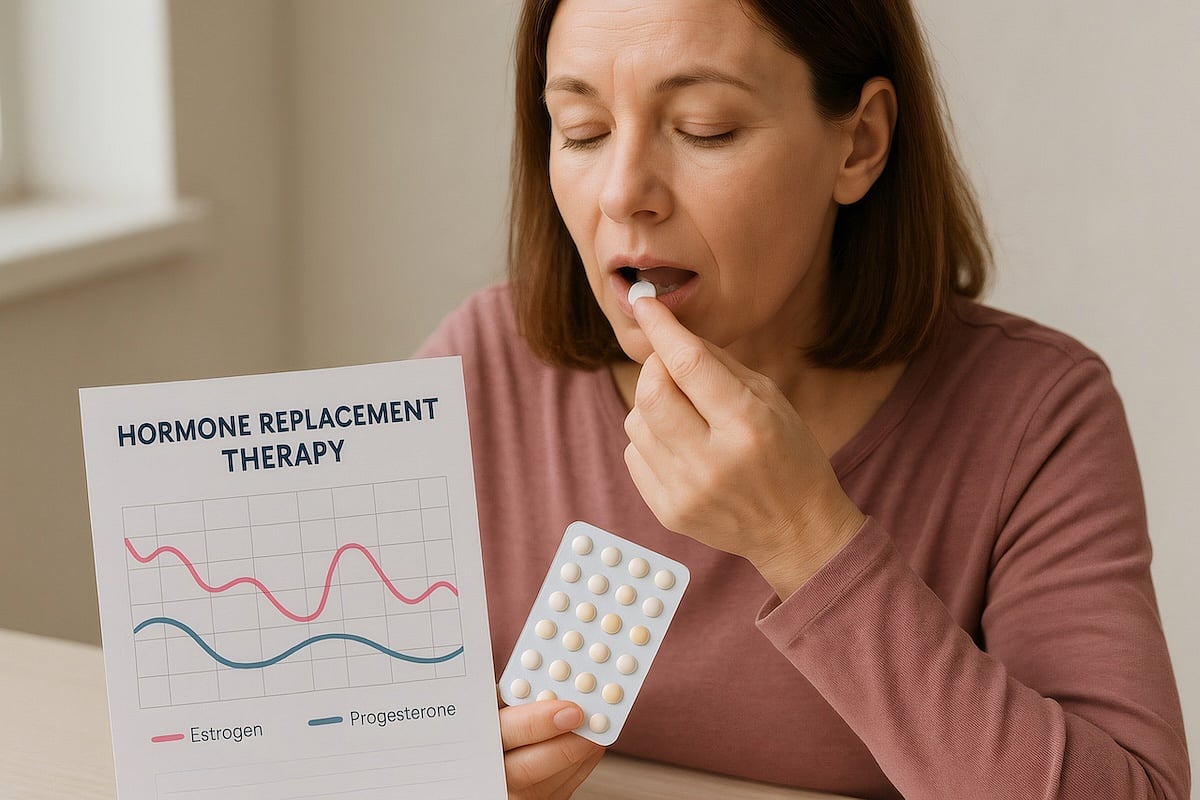 Oral Menopausal Hormone Therapy Linked to Venous Thromboembolic Risk
  2013 to 2024 Saw Decrease in Benzodiazepine Prescribing
  Childhood Cancer Survivors Often Have Mental Distress in Adulthood
  MHT Initiation May Reduce Cardiovascular Risk in Women With Vasomotor Symptoms
  Pre-Prostate Biopsy MRI Use Increased From 2017 to 2026
  Longer Reproductive Lifespan Tied to Lower Bronchiectasis Risk in Postmenopausal Women
  Midlife Onset of Increasing Pulse Pressure Not Linked to Menopause
  Residential Context Has Larger Impact on Ovarian Cancer Survival in Black Women
.jpg)



