


Study also revealed no increased risk for major adverse cardiovascular events for patients on a GLP-1 RA versus those not on a GLP-1 RA
MONDAY, Nov. 10, 2025 (HealthDay News) — For adults with type 2 diabetes and/or overweight/obesity and high triglycerides, glucagon-like peptide-1 receptor agonists (GLP-1 RAs) are not associated with pancreatitis, according to a study presented at the American Heart Association Scientific Sessions 2025, held from Nov. 7 to 10 in New Orleans.
Leslie Iverson, from Intermountain Health in Salt Lake City, and colleagues queried the Intermountain Health electronic medical records to examine whether GLP-1 RAs are associated with an increased risk for pancreatitis and major adverse cardiovascular events (MACE) in adults with type 2 diabetes and/or body mass index ≥27 kg/m2 with and without hypertriglyceridemia. Of the 346,677 patients, 3,834 (1.1 percent) were prescribed a GLP-1 RA and were propensity score-matched with a greedy nearest neighbor algorithm to those never on a GLP-1 RA (3,833 pairs).
The researchers found that the rate of pancreatitis was similar for those on versus not on a GLP-1 RA (2.5 versus 2.6 percent). For patients with severe triglyceride levels (≥500 mg/dL), there was a nonsignificant decrease seen in pancreatitis for those on a GLP-1 RA (8.7 versus 10.9 percent); the hazard ratio was more than four times greater for those not on a GLP-1 RA, after adjustment for prior pancreatitis history. MACE was significantly lower for patients taking a GLP-1 RA (14.9 versus 18.5), with a hazard ratio of 1.25 for those not on a GLP-1 RA.
“Our findings show that hypertriglyceridemia is not a reason to withhold this class of medication from appropriate patients, if they would benefit otherwise,” Iverson said in a statement. “This is an important finding that helps enhance [our] treatment options.”
.jpg) Pregnancy Complications Linked to Subsequent Risk for Cardiometabolic-Renal Conditions
Pregnancy Complications Linked to Subsequent Risk for Cardiometabolic-Renal Conditions  GLP-1 Receptor Agonists, SGLT-2is Slow Renal Function Decline in T2D With Albuminuria
 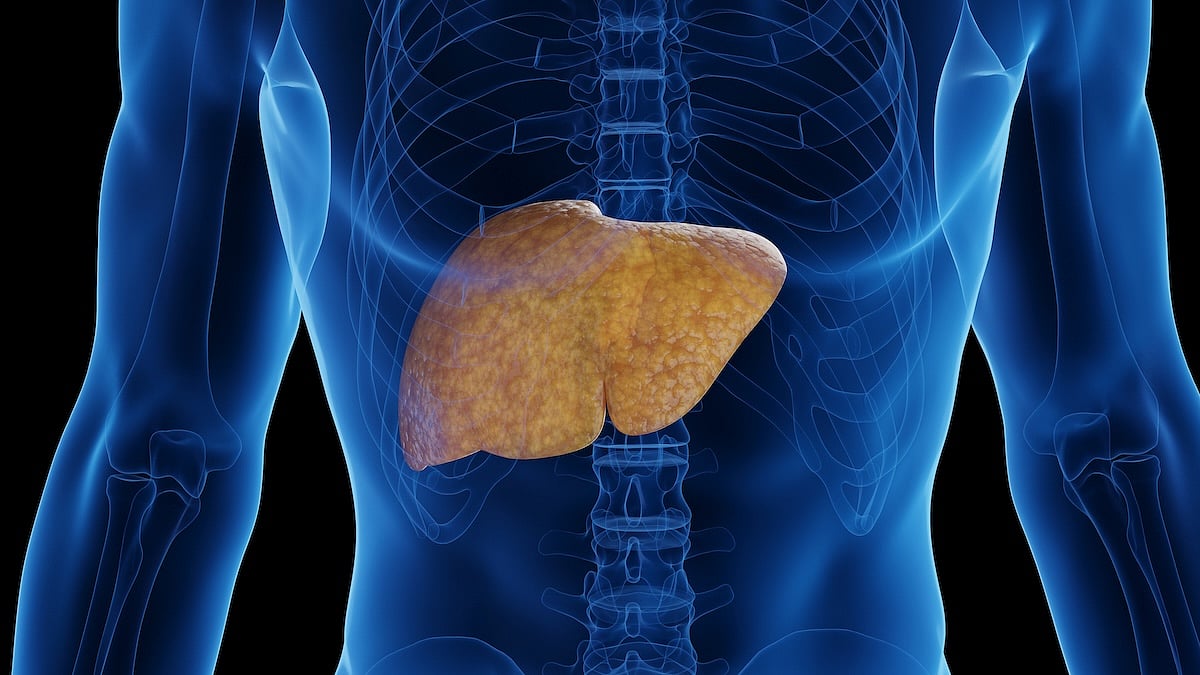 Genetics, Diabetes Tied to MASLD-Associated Cirrhosis Before Age 50
  Study IDs Risk Factors for Ketoacidosis in Adults With T2D Receiving SGLT2 Inhibitors
 .jpg) Most Specialty Oral Anticancer Meds for Blood Cancers Are Initially Rejected by Insurers
Most Specialty Oral Anticancer Meds for Blood Cancers Are Initially Rejected by Insurers  Drug Interactions Reducing Contraceptive Effectiveness Common in Epilepsy
  Holding DMARDs at Time of COVID-19 Vaccine Not Warranted in Those With Inflammatory Arthritis
  1 in 3 With Lupus Take Supplements, Medications With Potential for Interactions


