


The phospholipid C38:4 phosphatidylethanolamine may partially mediate air pollution-related bone damage
FRIDAY, May 16, 2025 (HealthDay News) — Exposure to air pollution may worsen bone loss in postmenopausal women, according to a study published online April 24 in the Journal of Bone and Mineral Research.
Diddier Prada, M.D., Ph.D., from the Institute for Health Equity Research at the Icahn School of Medicine at Mount Sinai in New York City, and colleagues evaluated the metabolomic response to air pollutants and its potential influence on bone health in postmenopausal women. The analysis included participants in the Women”s Health Initiative (140 cases and 138 controls with available data on air pollution and bone mineral density).
The researchers found that at all averaging periods through nine years, exposure to air pollution may worsen bone loss in postmenopausal women. Nitrogen oxide, nitrogen dioxide, and sulfur dioxide were associated with taurine, inosine, and C38:4 phosphatidylethanolamine, respectively. There was no association seen for fine particulate matter ≤10 μm. In the association between one-year average nitrogen oxide and lumbar spine bone mineral density, there was partial potential mediation with C38:4 phosphatidylethanolamine.
“This isn”t just a scientific breakthrough; it”s a wake-up call for detecting early those at risk of bone damage,” Prada said in a statement. “Understanding these pathways could lead to therapeutic strategies to mitigate pollution-related bone damage, especially since avoiding exposure is often impossible.”
Abstract/Full Text (subscription or payment may be required)
 Air Pollution Does Not Impair Benefits of Walking in Reducing COPD Exacerbation Rate
 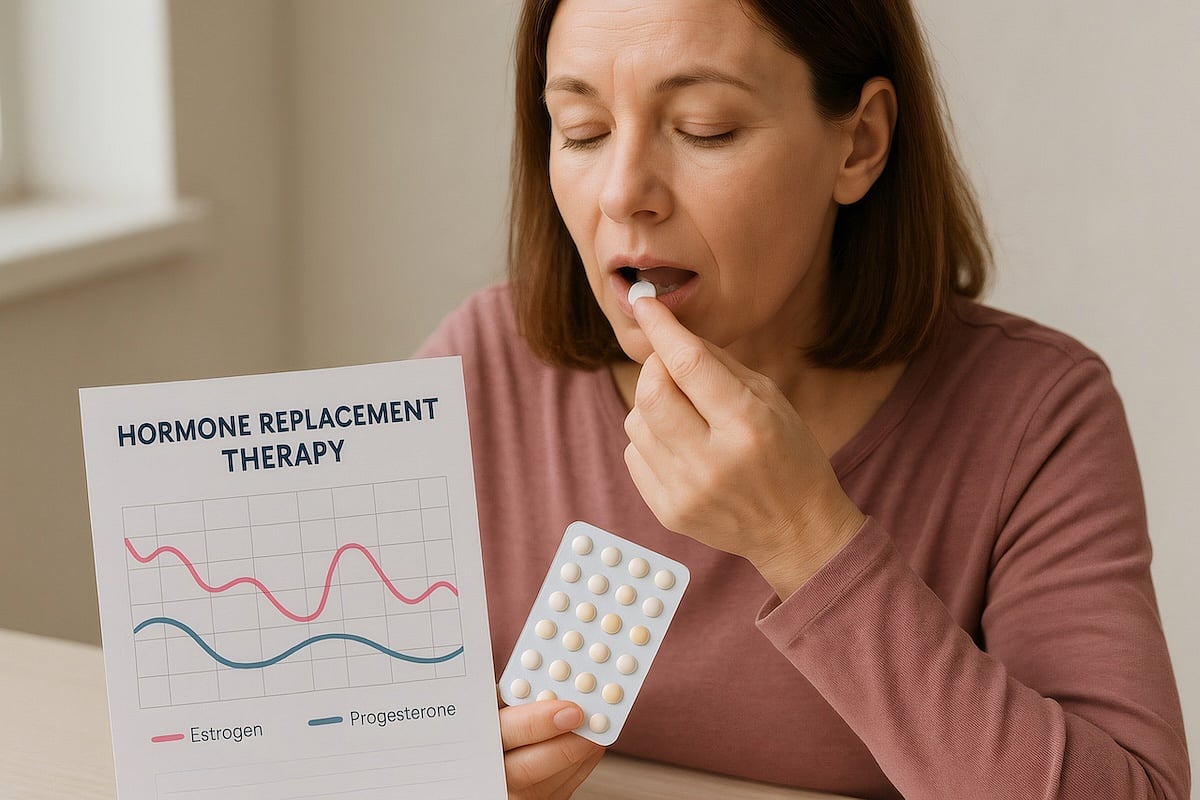 Oral Menopausal Hormone Therapy Linked to Venous Thromboembolic Risk
  Age-, Joint-Specific Ultrasound Reference Values Set for Healthy Joints
  Lower Vertebral Bone Mineral Density Linked to Cognitive Decline
  Lower Cognitive Functioning During 60s Linked to Subsequent Stroke Risk
  Polypharmacy of Prescription Medications Increased for U.S. Older Adults
  Nearly 1 in 10 Older Adults Used Cannabis in the Past Year
  Pharmacist-Led Med Review Improves Medication Quality in Older Patients With Cancer



.jpg)
